
Mack Parts For Sale
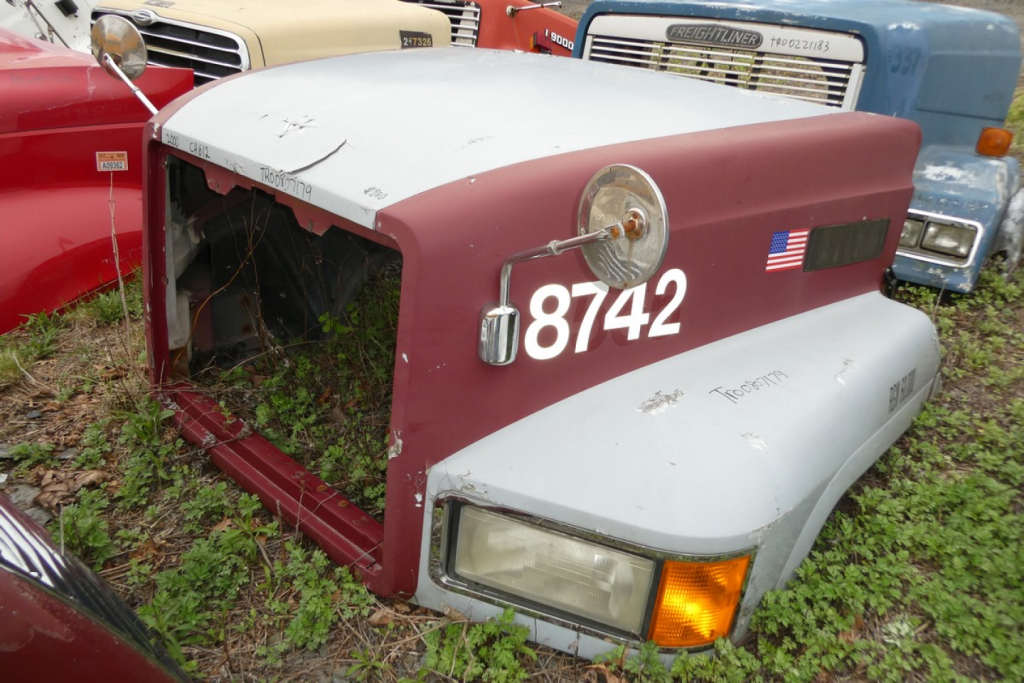
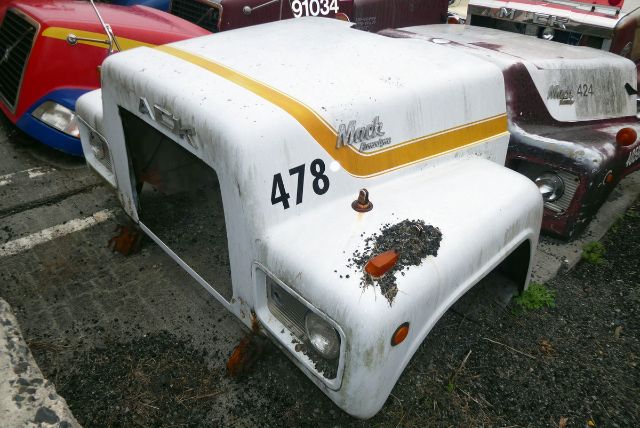
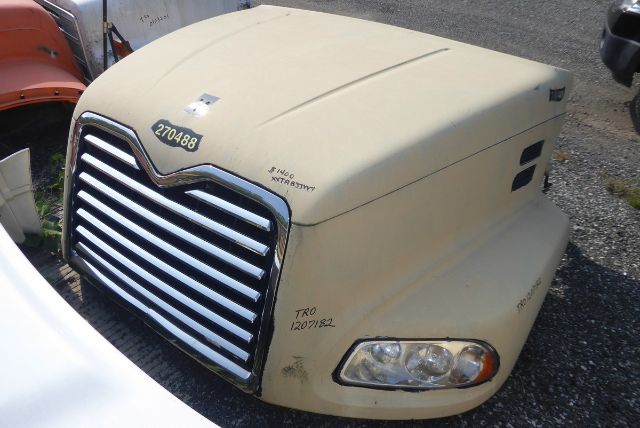
Browse Mack parts including hoods and model-specific components for CXU, R Model, and other Mack trucks used in vocational and highway service.
Selling a mack part? List your mack part for sale and reach thousands of commercial buyers.
Mack Parts
When shopping Mack truck parts, the most important decision is usually OEM-style fitment versus a broader interchange approach. A hood for a Mack CXU612 will have different contours, hinge locations, and lighting provisions than an older R690T hood, even though both are straightforward body components on paper. On used parts, buyers should inspect for stress cracks around hinge mounts, prior fiberglass repair, spider cracking, latch wear, and whether the inner structure is intact. For mechanical parts, it pays to confirm engine family, transmission model, axle rating, suspension type, and VIN breakpoints before assuming interchange. Mack’s vocational lineup often includes application-specific variations that matter in the real world.
A good Mack parts search also takes operating environment into account. Trucks that spent years in refuse, construction, logging, or snow work can show very different wear patterns than long-haul spec units. Corrosion around hood hardware, worn pivots, damaged inner fenders, and heat-related fatigue near the radiator support are common on front-end parts. On older Mack models, some buyers prioritize hard-to-find sheet metal and cosmetic pieces to keep legacy trucks working, while others focus on major components that support a full rebuild. That makes condition grading, casting numbers, and clear photos especially important when comparing listings.
Mack has a loyal following because these trucks are built for demanding service, and parts buyers tend to be detail-oriented for good reason. The right part is not just about the make and model badge. It is about matching the exact truck configuration, intended duty cycle, and the level of repair you are trying to complete. For buyers comparing multiple Mack parts listings, the strongest value usually comes from verifying compatibility first, then judging condition, completeness, and rebuild potential against the labor required to install it.
Frequently Asked Questions about Mack Parts
How do I confirm that a Mack part will fit my truck?
Start with the truck’s VIN, model, year range, and the exact component you are replacing. On Mack trucks, fitment can change by chassis configuration, axle set-back, hood style, engine package, and production updates within the same model family. For body parts like hoods, confirm hinge style, headlamp arrangement, grille opening, and mounting locations. For mechanical parts, match part numbers, casting numbers, and major assembly specs before relying on model name alone.
Are Mack hoods interchangeable between different models?
Usually not without modification. A Mack hood is shaped around the truck’s cab, fender lines, cooling package, and front suspension layout, so interchange is much more limited than many buyers expect. Even within similar year ranges, differences in headlight buckets, inner structure, and latch points can prevent a clean installation. The safest approach is to match the hood to the exact Mack model and front-end configuration.
What should I inspect on a used Mack hood?
Check for fiberglass cracks at hinge points, stress fractures near mounting areas, previous body repair, broken or missing inner bracing, and damage around latch mechanisms. Also look at the grille opening, headlamp surrounds, and panel alignment if the hood is shown installed on a truck. Cosmetic flaws may be manageable, but structural damage can add significant labor and repair cost before the hood is road-ready.
Do Mack vocational trucks require more careful parts matching than highway tractors?
Yes. Mack vocational trucks are often spec’d for construction, refuse, municipal, or severe-duty work, and those applications commonly use unique frame layouts, suspension packages, axle capacities, cooling systems, and front-end equipment. That means two trucks with similar model designations may still use different parts. Buyers should verify the application and original chassis spec, especially for suspension, steering, cooling, and body-related components.