
Used Detroit Parts For Sale
Shop used Detroit parts including DD13 and DD15 engine assemblies, cores, and components for Freightliner and heavy-duty truck repairs.
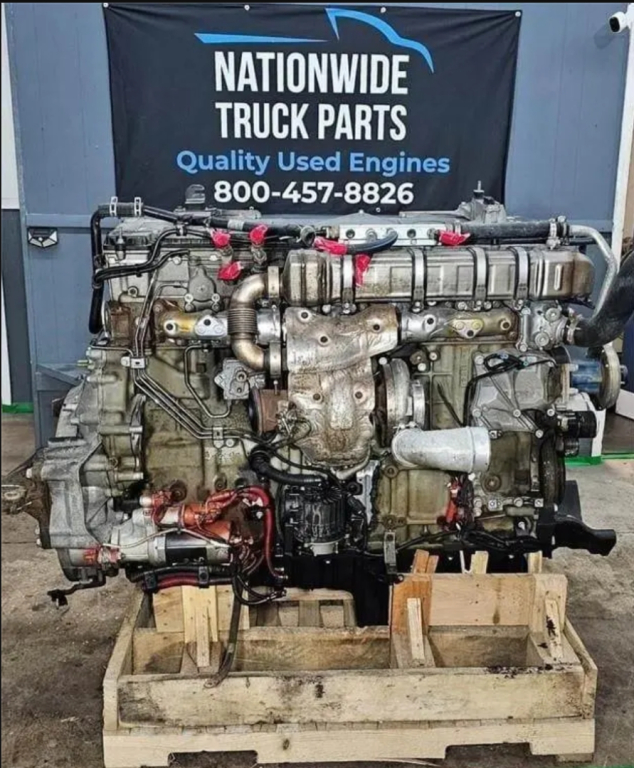
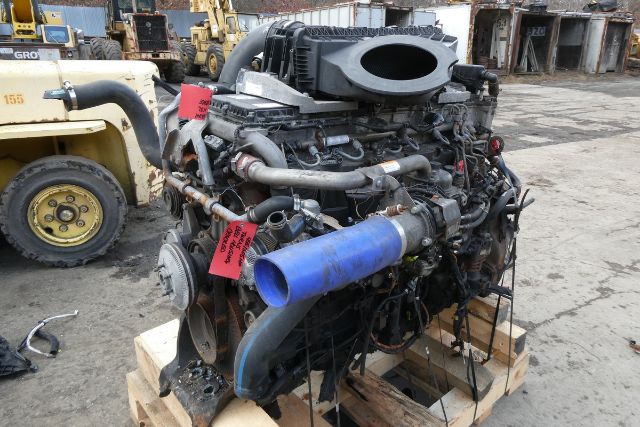
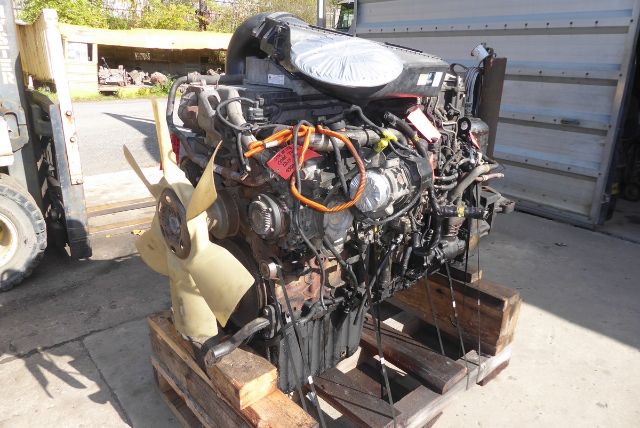
Selling a used detroit part? List your used detroit part for sale and reach thousands of commercial buyers.
Used Detroit Parts
The DD13 and DD15 dominate the used Detroit market, and buyers typically compare engine serial number, horsepower rating, emissions family, and CPL-equivalent build details before committing. It is important to verify model year range, EPA emissions generation, and whether the part came from a vocational or highway truck. A used engine or major component may look interchangeable at a glance, but differences in turbo configuration, one-box aftertreatment layout, sensors, EGR hardware, and ECM programming can change the installation significantly. For engine cores, the real value often comes down to whether the block, head, crank, and gear train are salvageable.
Condition matters as much as price in this category. A used Detroit engine listed as a core may still turn over, but that does not guarantee the liners, bearings, camshafts, or emissions-related components are serviceable. For running takeouts, buyers usually want documentation on mileage, test results, oil pressure, blow-by, warranty terms, and any internal inspection already performed. For loose parts such as injectors, turbos, ACMs, DDECs, or aftertreatment components, part number matching is critical because Detroit systems are tightly integrated and many late-model components require correct software pairing to avoid fault codes and derates.
A smart buyer looks past the headline price and evaluates what the part will cost to install and return to service. That includes freight, core charges, sensor swaps, harness differences, and the possibility of needing dealer-level programming after installation. Used Detroit parts can be a cost-effective solution for fleets, owner-operators, and rebuild shops when the application is verified carefully. The best results usually come from matching by serial number, reviewing emissions and horsepower specs, and treating complete engine purchases differently from true rebuild cores or salvage components.
Frequently Asked Questions about Used Detroit Parts
What should I verify before buying a used Detroit DD13 or DD15 engine?
Start with the engine serial number, model designation, horsepower rating, and emissions year. Those details help confirm compatibility with your truck's chassis, aftertreatment system, wiring, and ECM calibration. Buyers should also ask whether the engine is a running takeout or a core, what testing has been completed, and whether key components such as the turbo, fuel system, and emissions hardware are included.
What is the difference between a used running takeout and an engine core?
A running takeout is generally removed from a truck as an operational engine and is usually sold as a more complete replacement option. An engine core is typically intended for rebuild and may have known internal or external damage, even if it still turns over. Core value depends on the condition of major castings and rotating components, not simply on whether the engine can be rotated by hand.
Are Detroit parts interchangeable across different DD13 and DD15 model years?
Not always. Many Detroit parts changed across emissions generations and production updates, especially in the fuel system, EGR system, turbocharger setup, sensors, and aftertreatment controls. Even when a part appears physically similar, the correct part number and serial-number range should be confirmed to avoid installation problems, fault codes, or calibration issues.
Do used Detroit electronic parts need programming after installation?
In many cases, yes. Components such as the ECM, ACM, and some emissions-related modules may need programming, parameter setup, or VIN-specific calibration to function correctly in the receiving truck. Buyers should plan for the possibility of dealer or shop-level diagnostic support when replacing late-model Detroit electronic components.
Is buying a used Detroit core a good option for a rebuild shop or fleet?
A used core can be a strong value if the rebuild plan is realistic and the hard parts are worth saving. Rebuild shops and fleets often buy cores when they have the labor, machining access, and parts pipeline to control the total repair cost. The key is to evaluate the likely condition of the block, head, crankshaft, and gear train before assuming the lower purchase price will translate into a cheaper finished engine.