
Detroit Parts For Sale
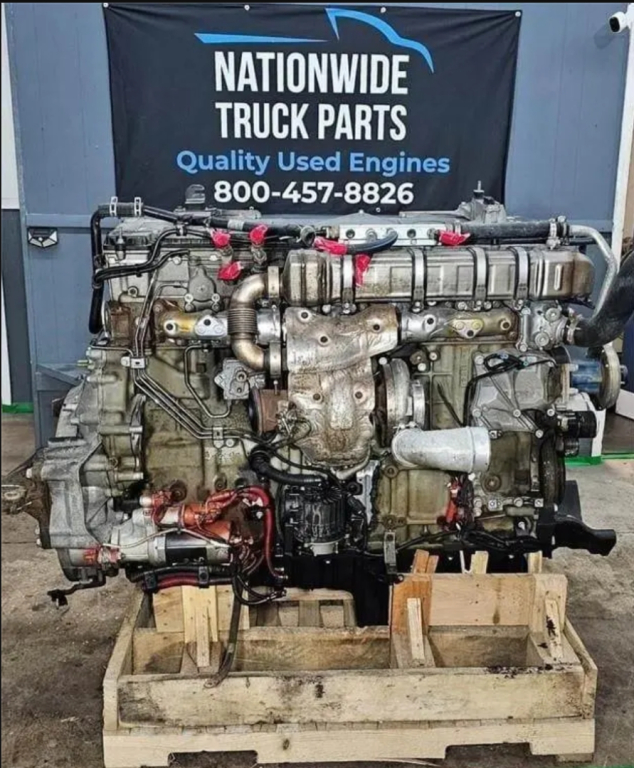
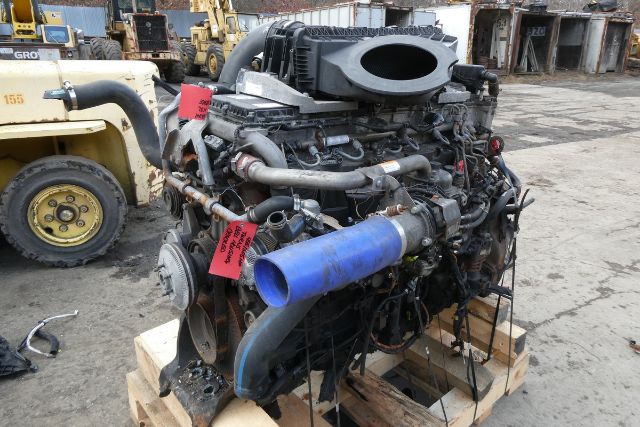
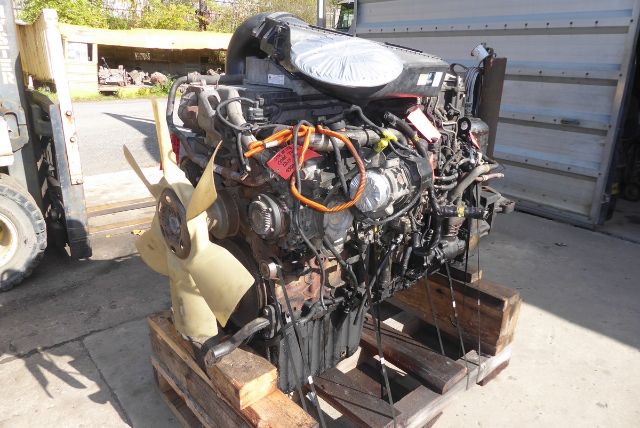
Shop Detroit truck parts including DD13 and DD15 engine components, cores, and replacements for Freightliner and heavy-duty applications.
Selling a detroit part? List your detroit part for sale and reach thousands of commercial buyers.
Detroit Parts
For many buyers, the decision comes down to new, reman, used, or core components. Used Detroit engine parts can make sense for cost control, especially on older trucks or for fleets trying to keep a unit in service without a full in-frame or replacement engine. Core engines are typically purchased for rebuild programs, hard-part recovery, or as a foundation for reman work, and condition notes matter. A listing that says core turns, does not run, or has external damage such as a cracked bellhousing tells you a lot about rebuild potential and likely machine shop costs before teardown even starts.
Detroit DD-series parts buyers should pay close attention to emissions system compatibility. EPA year, GHG generation, and aftertreatment configuration affect sensors, dosers, DEF components, EGR hardware, DPF assemblies, and software calibration requirements. On electronic components, plug style, module part number supersessions, and programming needs can be as important as physical fit. On hard parts, verify casting numbers, oil pan style, front and rear geartrain configuration, and accessory drive layout, especially if the engine came from a different chassis setup.
A smart parts purchase is less about finding a Detroit component and more about finding the right Detroit component for the truck’s exact build. For engine assemblies and cores, ask about blow-by, coolant contamination, metal in oil, crankshaft end play, and whether the engine was test-run or only visually inspected. For top-end and fuel system parts, confirm injector compatibility, cam condition, and valve train wear. Buyers comparing Detroit parts for sale usually get the best results by treating serial number verification, emissions compliance, and condition reporting as non-negotiable.
Frequently Asked Questions about Detroit Parts
What Detroit engine parts are most commonly searched for?
The most commonly searched Detroit parts are DD13 and DD15 engine assemblies, engine cores, cylinder heads, turbos, injectors, ECMs, one-box aftertreatment units, EGR components, wiring harnesses, and accessory drive parts. Demand is strongest for DD-series components because those engines are widely used in Freightliner highway tractors and regional haul trucks. Buyers typically search by engine model, serial number, and emissions configuration before narrowing by condition and price.
What does it mean when a Detroit engine is listed as a core?
A core usually means the engine is being sold as a rebuildable unit rather than a verified ready-to-run engine. Terms like core turns indicate the rotating assembly is not locked up, but that does not confirm compression, oil pressure, or internal condition. A non-running core with visible damage may still have value for a rebuild shop, parts harvesting, or exchange program, but buyers should expect teardown and inspection before putting it back in service.
How important is engine serial number matching when buying Detroit parts?
Engine serial number matching is one of the most important steps in buying Detroit parts. It helps confirm exact fitment for internal components, emissions hardware, sensors, software-sensitive electronics, and updated part numbers. On DD13 and DD15 applications, small differences in emissions generation or configuration can create expensive compatibility issues, so serial number verification is the safest way to avoid ordering the wrong part.
Can used Detroit parts be a practical option for fleet maintenance?
Used Detroit parts can be a practical option when the goal is controlling repair cost on higher-mileage trucks or shortening downtime with readily available components. They are often used for major repairs involving engine hard parts, top-end components, fuel system items, and complete take-outs. The key is getting accurate condition information, confirming fitment, and understanding whether the part will require programming, cleaning, machining, or additional replacement parts before installation.