
Used Cab Parts For Sale
Shop used truck cab parts including doors, shells, dash components, interior trim, glass, and cab assemblies for popular makes and models.
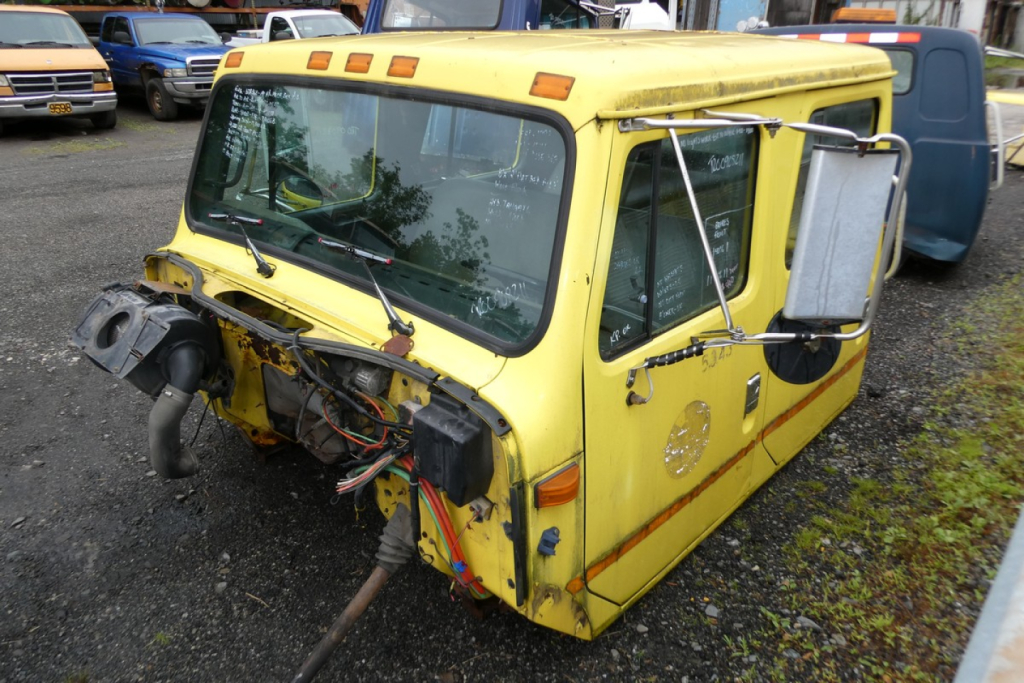
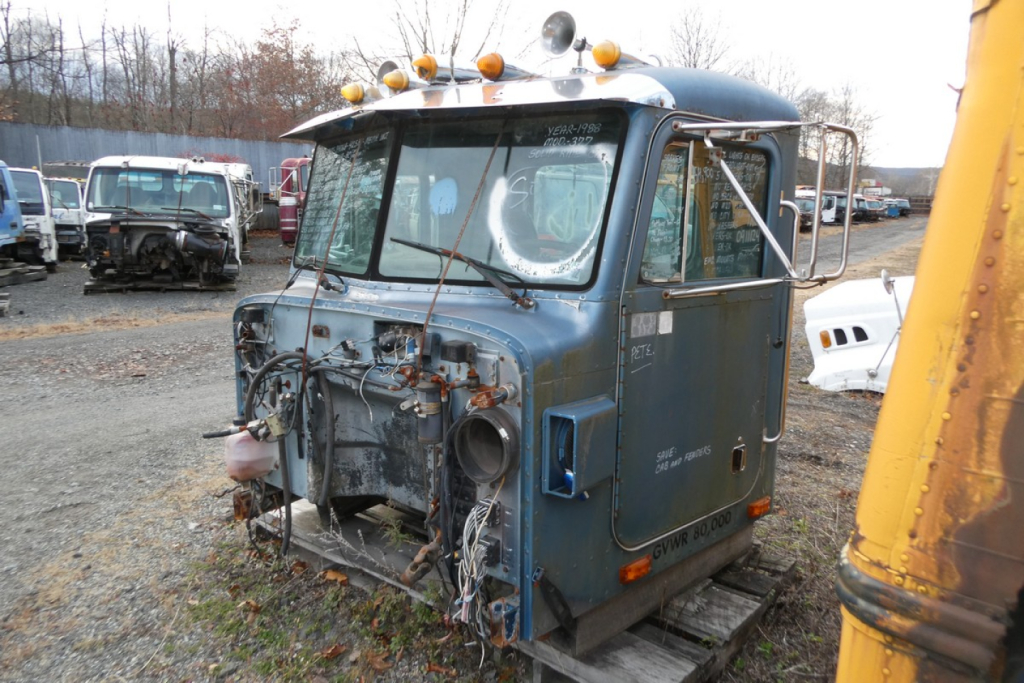
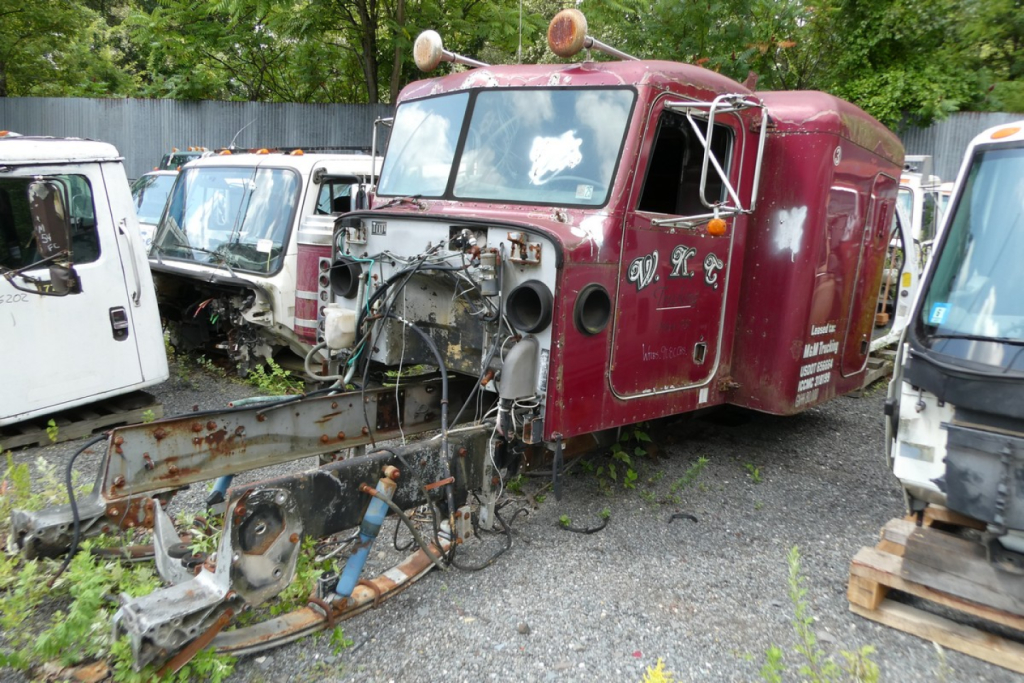
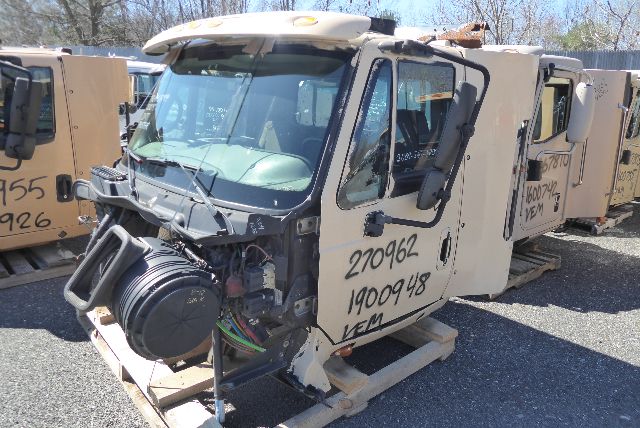
Selling a used cab part? List your used cab part for sale and reach thousands of commercial buyers.
Used Cab Parts
Fitment matters more with cab parts than almost any other truck category. A door, hood hinge support, dash panel, or rear cab section can vary by year range, VIN break, cab configuration, and trim level even within the same model family. Buyers should confirm make, model, generation, day cab versus sleeper cab layout, mounting points, and electrical compatibility before purchasing. On newer trucks, cab parts often tie into multiplex wiring, HVAC controls, steering column electronics, air ride seat systems, and integrated instrument clusters. On older conventionals and vocational trucks, interchange may be broader, but checking hinge style, latch placement, pedal setup, firewall layout, and steering column position still prevents costly mismatch.
Condition inspection is critical on used cab parts because cosmetic issues can hide structural problems. Cab shells should be checked for rust in the floor pan, cab corners, drip rails, windshield frame, and lower door openings. Doors and panels should be inspected for prior body filler, bent frames, latch wear, hinge fatigue, cracked glass channels, and water intrusion. Interior parts should be evaluated for broken mounting tabs, worn switchgear, damaged harness connectors, and UV cracking on plastics. If the cab is being bought as a complete takeoff, buyers typically want to know if it includes seats, dash, steering column, doors, mirrors, sleeper components, and any attached wiring or HVAC pieces. Freight damage and removal damage also matter, especially on larger assemblies.
The used market for truck cab parts is broad because repairs range from simple cosmetic replacement to full cab swaps after accident damage. Common applications include highway tractors, medium-duty delivery trucks, dump trucks, service trucks, and quad cab vocational units. Popular searches often center on Peterbilt, Kenworth, International, Freightliner, Mack, and Volvo cab assemblies and doors, but interchange always needs to be verified against the exact truck. A good used cab part can cut repair cost and downtime substantially, provided the buyer confirms structure, completeness, and compatibility up front.
Frequently Asked Questions about Used Cab Parts
What are the most important things to verify before buying a used truck cab part?
The most important checks are exact make and model, year range, cab configuration, and attachment or electrical compatibility. A used door, dash, or complete cab may look correct but still differ in hinge spacing, latch position, wiring connectors, instrument layout, or interior mounting points. VIN-based verification is the safest approach, especially on newer trucks with integrated electronics and multiple production changes within the same model line.
Is it better to buy a complete used cab or individual cab parts?
A complete used cab usually makes sense when there is major collision damage, widespread rust, rollover damage, or multiple missing components. It can reduce labor by giving the shop a single donor assembly with matching structure and interior pieces. Individual cab parts are usually the better value when the original cab is structurally sound and only one area, such as a door, floor section, dash assembly, or rear panel, needs replacement.
What condition issues are common on used cab assemblies and doors?
Rust in the floor pan, cab corners, lower door seams, and windshield frame is common, especially in northern climates and on older vocational trucks. Doors may have bent frames, worn hinges, damaged latch hardware, hidden filler from prior repairs, or corrosion inside the shell. Interior assemblies often show cracked plastic, damaged switch panels, worn seat mounts, and cut or broken wiring connectors. Careful photo review and direct confirmation of damage points are important before purchase.
Are used cab parts interchangeable between different years of the same truck model?
Sometimes, but not always. Manufacturers often keep the same basic cab design for several years while changing dash layouts, wiring architecture, mirror mounts, emissions-related pass-throughs, HVAC controls, or interior trim attachment points. A part may physically bolt up but still require modifications to work correctly. Interchange should be confirmed by VIN, OEM part number, or a proven donor-to-recipient match.