
2024 Advanced Fabricators Parts For Sale
Have 2024 advanced fabricators part to sell? List it here to reach thousands of buyers.
2024 Advanced Fabricators Parts
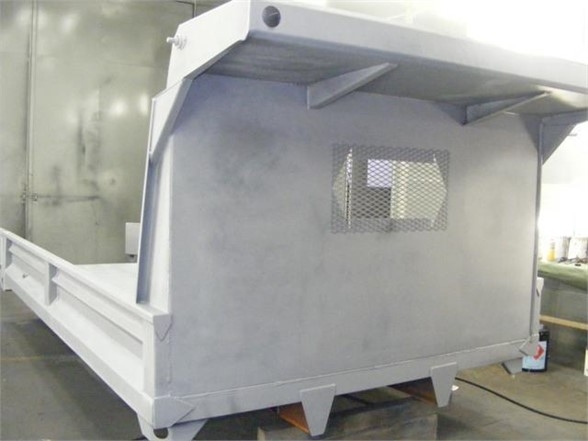
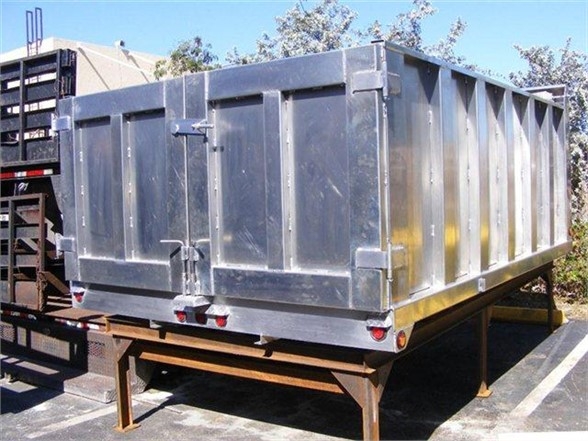
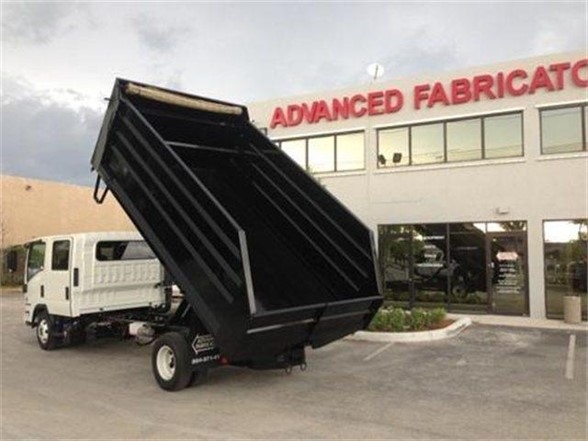
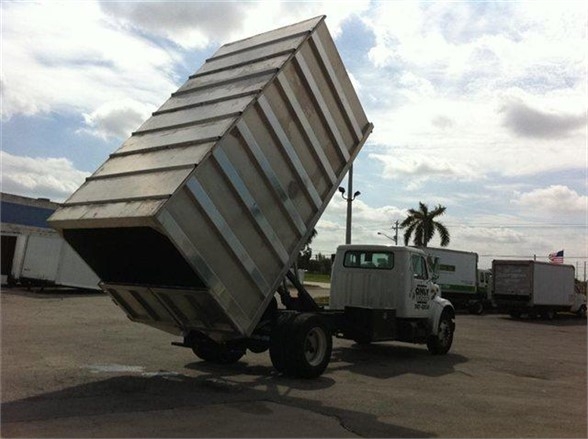
One of the biggest decisions in this category is aluminum versus steel. Aluminum dump and chipper bodies are often preferred for tree service, trash, and other higher-volume loads where saving weight can increase legal payload and help with fuel efficiency. Steel bodies are usually chosen for tougher impact conditions, denser materials, and applications where floor wear and structural abuse are a bigger concern. Common specs seen in this class include 3/16-inch floors, smooth plate sides, channel crossmembers on 12-inch or 16-inch centers, heavy channel longsills, barn doors, bulkheads with or without windows, tarp systems, mud flaps, and FMVSS 108 lighting. On more specialized builds, buyers may also see scissor hoists, PTO and hydraulic packages, hitch assemblies with brake connections, ICC bumpers, steps, grab handles, and integrated tie-down or winch provisions.
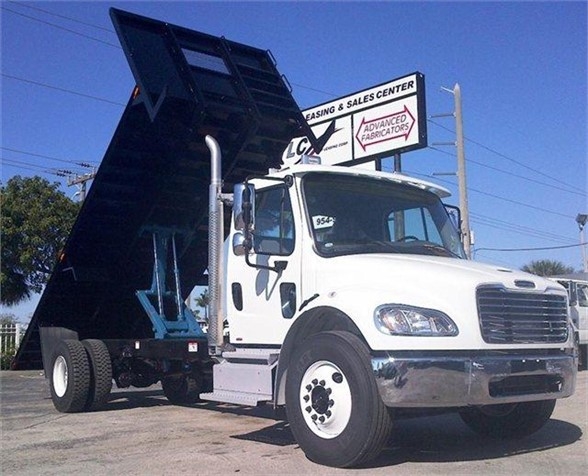
Fit-up and body configuration are just as important as raw dimensions. A 12-foot or 14-foot landscape or trash dump body serves very different needs than a 16-foot chipper body with tall sides and a roof, or a 20-foot flatbed dump bed built for equipment, material, and jobsite versatility. Side wall height, door opening style, bulkhead construction, cab protection, and rear hinge placement all influence real-world usability. Buyers should confirm the intended chassis match, cab-to-axle requirements, hoist compatibility, frame clearance, and any installation spacing behind the cab. If towing is part of the job, hitch rating and trailer brake provisions should be verified along with body overhang and rear structure.
For buyers shopping this category, the best value usually comes from matching the body design to the exact material stream and duty cycle rather than simply choosing the heaviest build. A brush and chip operation may benefit from taller aluminum sides and enclosed upper structure, while a contractor hauling mixed debris may prioritize thicker steel floors, reinforced rails, and simpler dump geometry. Advanced Fabricators equipment in the 2024 model year is generally aimed at custom vocational use, so details like tarp operation, lighting layout, access steps, mudguard setup, and paint or finish quality deserve close review. A well-matched body can improve payload efficiency, reduce maintenance issues, and make loading, unloading, and daily cleanup much easier for the operator.
Frequently Asked Questions about 2024 Advanced Fabricators Parts
What types of parts or body configurations are common for 2024 Advanced Fabricators equipment?
This category commonly includes dump body and truck body components for landscape hauling, trash and debris work, chipper service, and flatbed dump applications. Typical configurations include aluminum trash dumps, steel landscape dumps, enclosed chipper bodies with tall sides and roofs, and custom flatbed dump beds. Common related components include bulkheads, barn doors, crossmembers, longsills, tarp systems, hoists, hitch assemblies, lighting packages, and installation hardware tied to a specific chassis setup.
Is aluminum or steel better for an Advanced Fabricators dump body?
The better choice depends on the material being hauled and the duty cycle. Aluminum is often the better fit for brush, trash, and lighter high-volume loads because it reduces body weight and can improve payload capacity. Steel is usually the stronger choice for harsher applications involving dense material, repeated loader impact, or abrasive wear. Buyers should compare floor thickness, side construction, and reinforcement layout along with material type, because those details have a major effect on service life.
What specs should I check first when comparing Advanced Fabricators bodies or related parts?
Start with body length, width, side height, and floor thickness, then move to crossmember spacing, longsill size, and door style. After that, verify hoist type, bulkhead design, tarp system, lighting compliance, and any hitch or towing equipment. The intended chassis fit is critical, so cab-to-axle measurement, frame dimensions, and clearance behind the cab should be confirmed before purchase or installation. Those fitment details often matter more than cosmetic differences.
What is the difference between a landscape dump body and a chipper dump body?
A landscape dump body is generally built for loose material, mixed debris, mulch, and lighter contractor work, often with moderate side heights and straightforward barn door access. A chipper dump body is usually designed for tree service and brush handling, with much taller sides and often a roof structure to contain chipped material. Chipper bodies are focused on volume and containment, while landscape dumps are typically more versatile for mixed-use hauling and loading.
Do hoist and PTO details matter when buying this category?
Yes. Hoist design has a direct effect on dump angle, lifting stability, maintenance access, and compatibility with the body and chassis. Buyers should verify whether the setup uses electric-over-hydraulic or PTO-driven hydraulics, and confirm the hoist model is suitable for the body length, material weight, and frame layout. On automatic-transmission chassis, PTO compatibility and installation quality are especially important because they affect both reliability and operating performance.