
2024 Parts For Sale in Florida
Shop 2024 truck parts and truck bodies for sale in Florida, including dump bodies, flatbeds, chipper bodies, and custom body components.
Learn more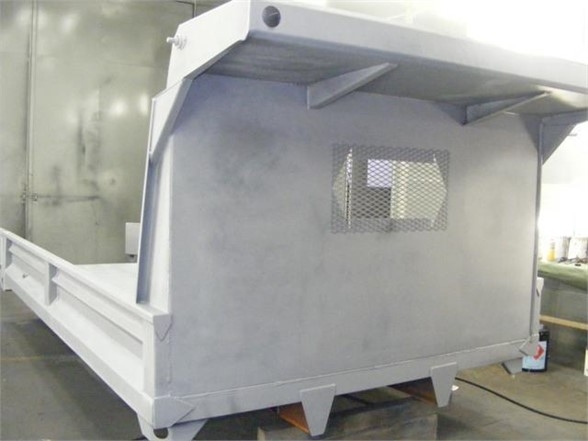
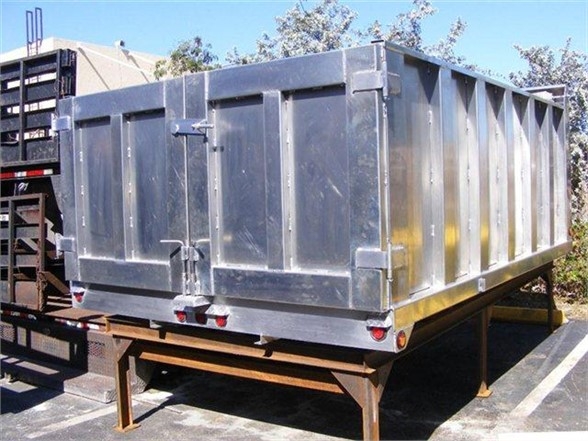
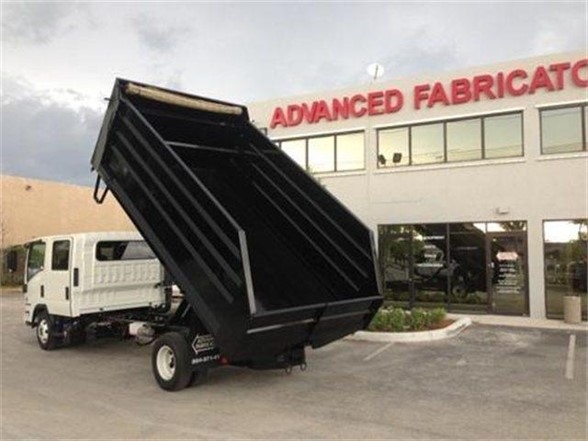
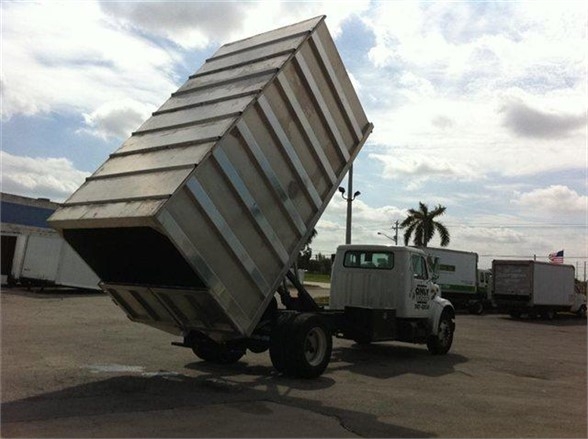
Have 2024 part to sell? List it here to reach thousands of buyers.
About 2024 Parts in Florida
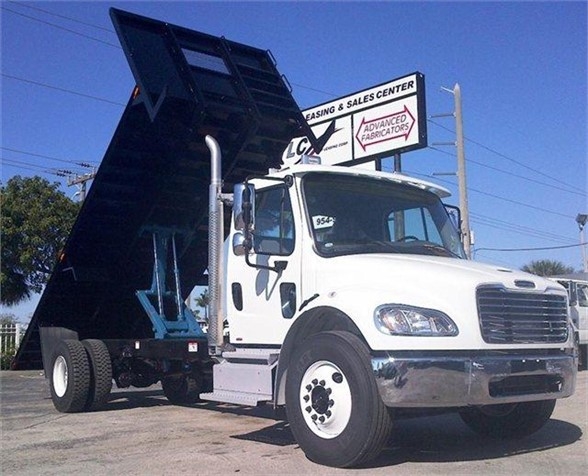
For dump and platform body buyers, construction details matter more than model year alone. Common specs in 2024 body listings include 3/16-inch smooth plate floors, 3-inch or 4-inch channel crossmembers on 12-inch or 16-inch centers, and 6-inch to 8-inch channel longsills depending on body length and intended payload. Steel bodies are typically chosen for demolition, aggregate, and severe-duty hauling where impact resistance is more important than tare weight. Aluminum bodies are more common for tree service, trash, mulch, and other high-cube applications where corrosion resistance and payload savings can improve productivity. Side wall height, bulkhead design, barn door construction, and roof configuration should all match the material being hauled and the loading method used.
Hydraulics and hoist setup deserve close attention on 2024 vocational body parts and assemblies. Buyers should confirm whether the body uses electric-over-hydraulic power or a PTO-driven hoist, and whether the chassis transmission is already compatible with the required PTO. Hoist type also changes the body’s working profile. Scissor hoists are common on dump bodies because they provide stable lifting and straightforward service access, while telescopic arrangements may be preferred in certain custom applications. Tarp systems, receiver hitches, trailer plugs, ICC bumpers, backup alarms, mud flap brackets, and FMVSS 108 lighting packages are not minor add-ons. They directly affect jobsite usability, road compliance, and how much additional fabrication will be needed after purchase.
Body dimensions and reinforcement layout should be matched to the wheelbase, cab-to-axle measurement, and the type of work expected. A 12-foot aluminum trash dump serves a very different purpose than a 20-foot steel flatbed dump with winches, headboard protection, and boxed longsills. Landscape contractors may want higher side walls and barn doors for volume, while municipalities and utility crews may prioritize chipper roofs, solid bulkheads, and clean light placement for safer roadside work. When comparing 2024 parts and body listings, the smartest approach is to evaluate material thickness, crossmember spacing, hoist capacity, body length, and installation requirements as a complete package rather than shopping on price alone.
Frequently Asked Questions
What kinds of 2024 parts are commonly listed in this category?
This category often includes truck bodies and upfit-related parts such as dump bodies, flatbed dump bodies, landscape bodies, chipper bodies, trash bodies, hoists, tarps, hitches, lighting packages, and mounting components. Many listings are body only, which means the buyer still needs installation, hydraulic integration, or chassis setup. Reading the listing closely is important because a fabricated body, a body kit, and a complete installed assembly can all be described as parts.
How do I choose between a steel body and an aluminum body?
Steel is generally preferred for harder impact duty such as rock, demolition debris, or heavy material handling because it offers strong durability and lower upfront cost. Aluminum is often the better fit for tree work, municipal refuse, mulch, and other lighter but bulky loads because it reduces body weight and resists corrosion, especially in humid or coastal Florida conditions. The right choice depends on payload goals, material type, maintenance expectations, and how long the truck will stay in service.
What body specs matter most on a 2024 dump or flatbed body listing?
The most important specs are body length and width, floor thickness, side wall height, crossmember spacing, longsill size, hoist type, and door configuration. Buyers should also verify bulkhead height, hitch setup, tarp system, lighting, and whether the body includes installation hardware or hydraulic components. These details determine payload support, structural life, ease of loading, and how much fabrication work remains before the truck can be used.
Why is PTO compatibility important when buying truck body parts?
Many dump and vocational bodies require a PTO-driven hydraulic system, and the transmission on the chassis must support that setup. If the truck has an automatic transmission such as an Allison, the PTO provisions, controls, and programming may need to be confirmed before installation. If the body uses electric-over-hydraulic power instead, the chassis electrical system and charging capacity become important. Matching the hoist system to the truck prevents installation delays and unexpected expense.
Are body-only listings a good option for buyers?
Body-only listings can be a strong option when the buyer already has a suitable chassis, a preferred installer, or a fleet standard for hydraulics and controls. They also make sense for custom applications where body placement, walk-behind cab space, hitch location, or accessory layout needs to be tailored to the truck. The tradeoff is that body-only pricing usually does not include mounting labor, PTO equipment, paint matching, wiring integration, or final compliance setup, so the total project cost should be calculated before purchase.