
New Pneumatic - Dry Bulk Trailers For Sale in Texas
Have new pneumatic - dry bulk trailer to sell? List it here to reach thousands of buyers.
New Pneumatic - Dry Bulk Trailers in Texas
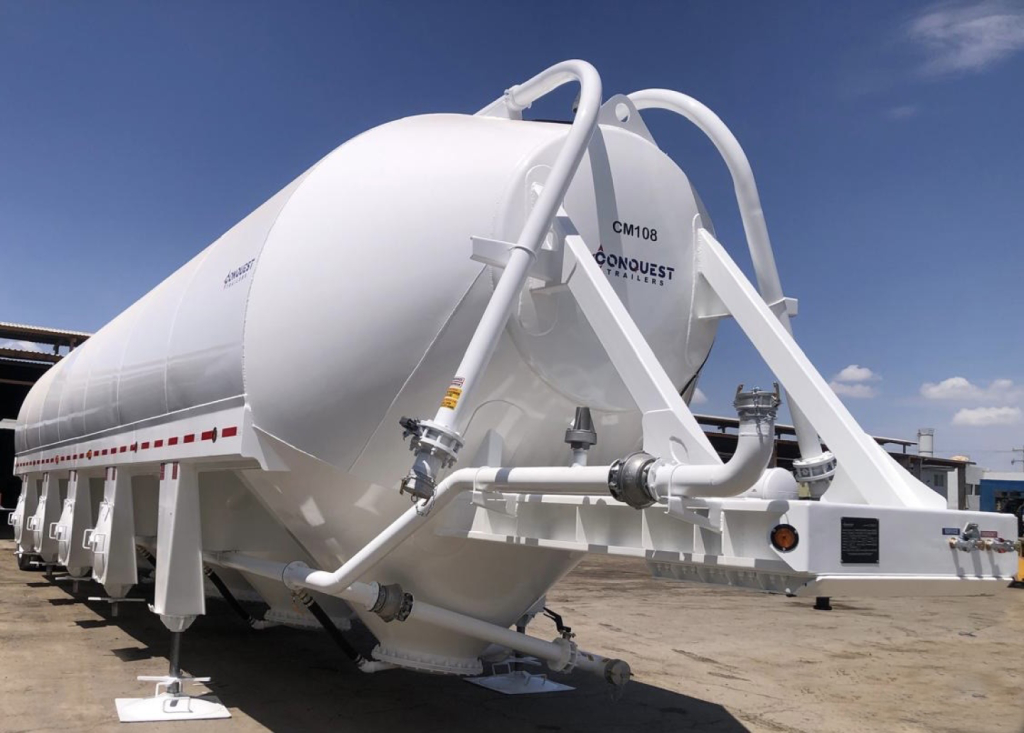
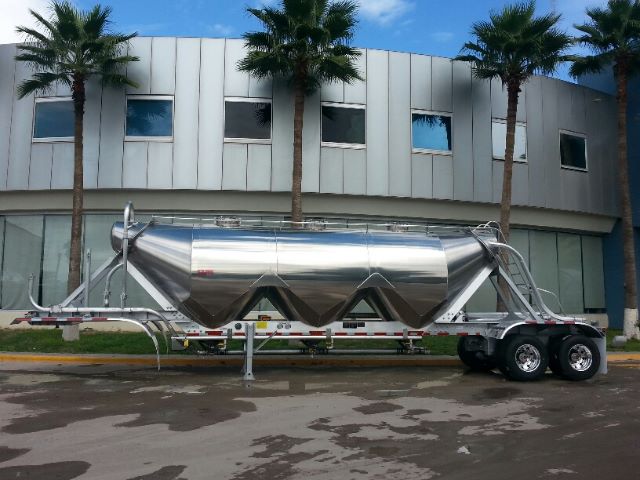
Capacity in this category commonly ranges from about 1,040 cubic feet on road-going bulk trailers to much larger stationary or portable storage units such as cement pig silos. Aluminum pneumatic trailers are popular when payload matters most, since lower empty weight can translate into more legal product on each load. Steel construction is often chosen for durability in abrasive service or demanding site conditions. Hopper slope, cone design, aeration, and vibration systems are critical details on any dry bulk unit. Features such as flow cones, Sandhog style bottom drops, multiple aeration pads, and properly sized discharge plumbing help maintain product flow and reduce unload issues with stubborn materials.
Running gear and chassis specs matter more than many first-time buyers expect. Common setups include air ride suspensions from Hendrickson or similar suppliers, 24.5-inch wheel packages, and heavy-duty landing gear for repeated loading and unloading cycles. Hose tube length and diameter, discharge valve size, pressurized loading and unloading connections, and blower compatibility should be checked against the products being hauled and the facilities being served. Pneumatic trailers are only as productive as their unload system, so it pays to match blower requirements, line size, and operating pressure to the commodity. If the work includes cement or mineral products with frequent site unloading, look closely at cone count, air delivery, and service access around valves and plumbing.
A buyer in this market should also think about route profile and maintenance strategy. Texas fleets often cover long distances between plants, oilfield regions, and metro construction zones, so durability, parts support, and ease of cleaning between loads can have a real effect on uptime. New pneumatic dry bulk trailers are often selected around a narrow commodity mix, not as general-purpose trailers. A lighter aluminum unit may be the better fit for maximizing revenue on repeat lanes, while a heavier steel build or portable pig silo may make more sense for harsh material, fixed-site storage, or specialized cement operations. The best trailer is the one whose cube, tare, pressure system, and discharge design match the commodity and the unload environment.
Frequently Asked Questions about New Pneumatic - Dry Bulk Trailers in Texas
What materials are pneumatic dry bulk trailers commonly used to haul?
Pneumatic dry bulk trailers are commonly used for cement, fly ash, lime, sand, powdered minerals, and other dry commodities that can be unloaded with air pressure. Some fleets also use them for plastic resin or agricultural powders, but the trailer should be spec'd for the exact product. Material density, abrasiveness, and flow characteristics all affect the right tank material, cone design, aeration layout, and discharge plumbing.
Is aluminum or steel better for a pneumatic dry bulk trailer?
Aluminum is usually preferred when payload is the priority because it reduces tare weight and can improve legal net payload on every trip. Steel is often selected for abrasive products or severe-duty applications where buyers want a more rugged structure. The right answer depends on commodity type, route conditions, expected unload cycles, and how much value the operation places on lower weight versus long-term durability.
What capacity should I look for in a dry bulk pneumatic trailer?
Many over-the-road pneumatic dry bulk trailers are built around capacities near 1,000 to 1,300 cubic feet, but the ideal size depends on commodity density and legal weight limits. A higher cubic-foot rating does not always mean more usable payload if the product is heavy. Buyers should calculate expected pounds per cubic foot, gross weight limits, and unload requirements before choosing a tank size.
What features matter most in the unloading system?
The most important unloading features are hopper slope, cone design, aeration or vibration assistance, discharge valve sizing, plumbing layout, and compatibility with the blower system. These components determine how fast the trailer unloads and how well it handles hard-to-flow material. A properly matched pneumatic system reduces plugging, shortens unload time, and lowers operator frustration at the job site or terminal.
What is a portable cement pig silo, and how is it different from a road trailer?
A portable cement pig silo is a large mobile storage unit used to hold dry bulk material on site, often for concrete or batch plant operations. It may include multiple hoppers, aeration systems, screw jacks, and pressurized unload connections, but it is designed more for storage and site feeding than highway payload efficiency. Compared with a standard pneumatic dry bulk trailer, a pig silo emphasizes stationary capacity and material handling at the location rather than over-the-road hauling.