New Great Dane Van Trailers For Sale in Minnesota
Have new great dane van trailer to sell? List it here to reach thousands of buyers.

New Great Dane Van Trailers in Minnesota
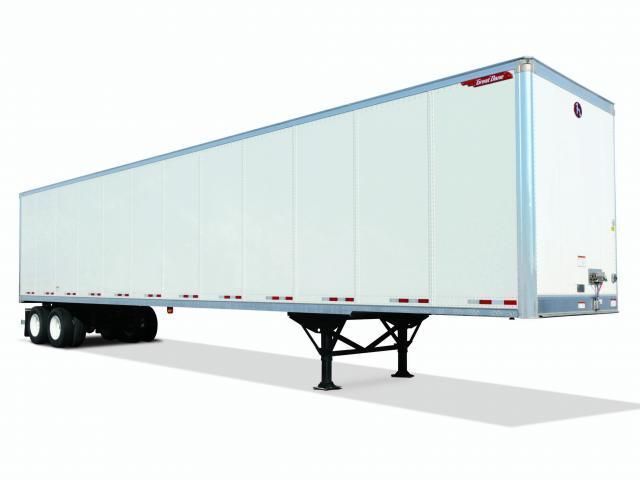
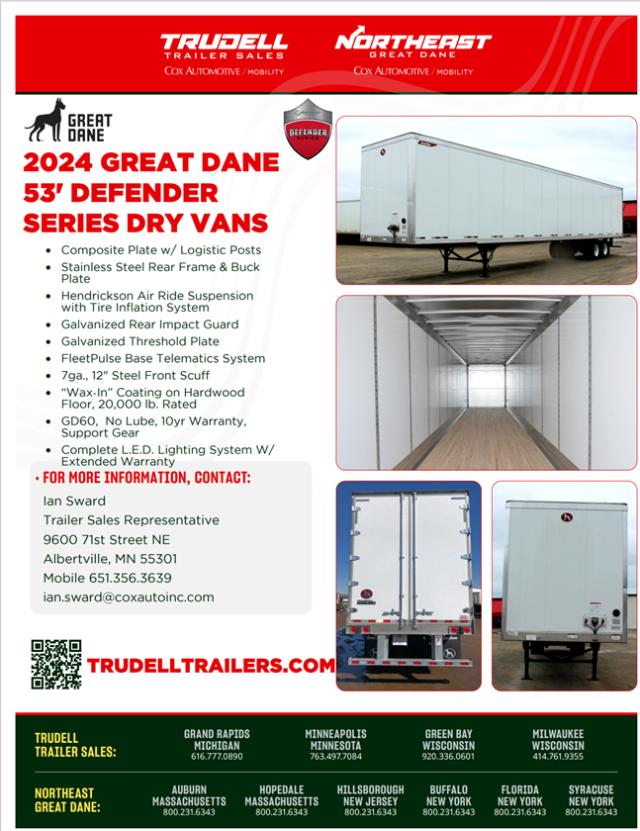
One of the first decisions is trailer construction. Great Dane composite plate van trailers are known for laminated sidewall design that balances strength, cargo protection, and clean exterior appearance. Buyers usually compare floor rating, wall fastening design, roof bow spacing, rear frame structure, and the type of lining or scuff protection inside the body. For multi-stop freight and forklift traffic, hardwood floors, threshold plate reinforcement, scuff liners, and heavy-duty rear impact components matter. Swing doors remain standard for most dry van applications, but the details around hinges, seal design, and door hardware can make a real difference in long-term maintenance.
Running gear and fleet spec choices deserve as much attention as the body. A typical new van trailer in this class may include tandem sliding axles, air ride suspension, anti-lock brakes, and wheel-end packages selected around maintenance preference. Tire brand, aluminum versus steel wheel setup, and the presence of a tire inflation system can affect total operating cost over time. Buyers moving dense freight should confirm tare weight and floor capacity, while cube-focused operations may prioritize interior height, logistics posts, additional securement options, and aerodynamic treatments that help fuel economy on long interstate runs.
For Minnesota operations, practical spec questions usually come down to freight type, lane length, dock environment, and service interval goals. A trailer used in food-grade packaged freight, consumer goods, or contract distribution may need different interior lining, venting, and load securement than a trailer dedicated to building products or mixed LTL freight. New Great Dane dry vans appeal to buyers who want a straightforward trailer platform with broad application range, current safety equipment, and a configuration that can be matched to private fleet, for-hire, or regional distribution work.
Frequently Asked Questions about New Great Dane Van Trailers in Minnesota
What is a Great Dane van trailer used for?
A Great Dane van trailer, also known as a dry van trailer, is used for enclosed freight that needs protection from weather, road debris, and theft exposure. Common applications include palletized consumer goods, paper products, packaged food, retail freight, and general dry cargo. It is the standard trailer type for many over-the-road and regional distribution fleets because it handles a wide range of dock-based freight efficiently.
What specs matter most when buying a new 53-foot dry van trailer?
The most important dry van specs usually include overall length and width, interior height, floor rating, wall construction, suspension type, axle slide configuration, door style, and tare weight. Buyers should also check scuff liner height, roof design, logistics post spacing, wheel and tire package, and rear frame durability. The right spec depends on whether the trailer will be used for heavy forklift loading, cube-sensitive freight, long-haul mileage, or frequent urban delivery stops.
Are composite plate van trailers a good fit for fleet use?
Composite plate van trailers are widely used in fleet service because they offer a durable sidewall structure, clean appearance, and solid cargo protection for general freight applications. They are often chosen for distribution work where trailers see regular dock contact, repeated loading cycles, and long annual mileage. Buyers should still compare floor system, lining protection, and rear frame design because those details affect repair cost and trailer life just as much as sidewall construction.
What should Minnesota buyers look for in a new van trailer?
Minnesota buyers should focus on durability items that hold up in cold weather and corrosive road conditions. That includes corrosion-resistant components, dependable door seals, quality lighting and harness protection, strong landing gear, and suspension and brake components suited to winter operation. A trailer that spends time in snow, slush, and treated roads benefits from careful attention to undercarriage finish, wheel-end spec, and maintenance access points.
How do I choose between a lightweight spec and a heavy-duty dry van spec?
A lightweight spec makes sense when payload and fuel economy are the priority and the freight is relatively consistent, light, or cube-driven. A heavy-duty spec is usually the better choice for mixed freight, repeated forklift entry, rough yard conditions, and higher abuse applications. The decision should be based on freight density, annual miles, loading method, and how long the trailer is expected to stay in the fleet.