
Mixer Trucks For Sale in Virginia
Browse mixer trucks for sale in Virginia, including ready-mix configurations, axle options, drum capacities, and chassis specs for concrete hauling.
Have mixer truck to sell? List it here to reach thousands of buyers.
Mixer Trucks in Virginia
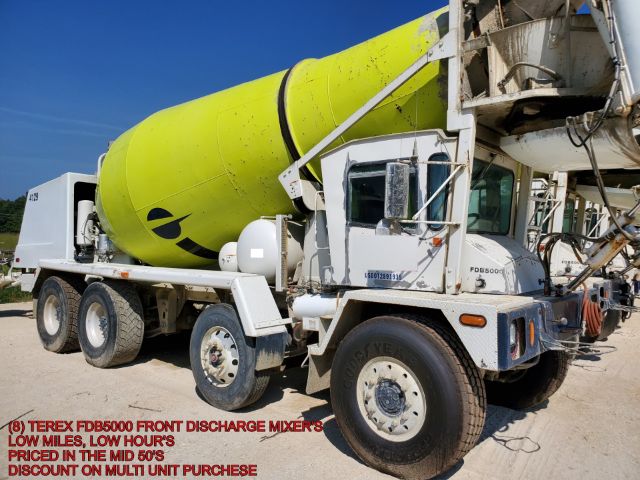
The drum and charging system deserve close attention because they directly affect production and maintenance cost. Buyers should look at drum condition, blade wear, water system operation, hopper condition, chute integrity, and the performance of the hydraulic drive. Rear-discharge mixers remain common for general ready-mix service, while front-discharge units are often chosen for crews that want faster placement and better visibility at the pour. It is also worth checking how easily the unit can be washed out and serviced, since buildup, corrosion, and neglected rollers can shorten drum life and increase downtime.
Chassis specs matter because mixer trucks spend their lives in stop-and-go service under heavy load. Diesel engines in the mid to upper horsepower range are common, often paired with Allison automatic transmissions for smoother starts and easier operation in traffic and on jobsites. Power steering, air conditioning, air ride seating, and good cab access are not small details on this type of truck because driver fatigue and jobsite visibility affect daily productivity. Suspension type, brake condition, steering component wear, and tire condition should all be evaluated carefully, especially on older vocational chassis that have seen repeated high-GVW operation.
Virginia buyers should also think about route profile, plant-to-pour distance, and the type of work the truck will support. State highway travel, suburban subdivision work, municipal pours, bridge projects, and commercial foundation jobs all put different demands on a mixer. A truck used for shorter hauls may prioritize turning radius and chute setup, while a truck covering longer distances may need stronger attention to cooling, drivetrain condition, and cab comfort. The best mixer truck for sale is usually the one with a sound drum, a well-matched axle layout, and a chassis spec that fits local weight rules and the pace of your concrete operation.
Frequently Asked Questions about Mixer Trucks in Virginia
What size mixer truck is most common for ready-mix work?
Many ready-mix operations use mixer trucks with drum capacities in the 8 to 11 cubic yard range, but the right size depends on local weight laws, axle configuration, and the type of jobs being served. Higher-capacity drums can improve delivery efficiency, but legal payload and road restrictions often determine how much concrete can actually be hauled. In Virginia, buyers should compare drum size with axle count and intended route to make sure the truck can carry a practical legal load.
What should I inspect first on a used mixer truck?
Start with the drum, hydraulic system, and chassis. Drum shell wear, internal blade condition, roller wear, hopper damage, chute condition, and water system function all affect how well the truck performs at the pour. On the chassis side, focus on engine condition, transmission operation, brake life, steering wear, suspension condition, and signs of frame stress or corrosion. A mixer truck can look acceptable cosmetically while hiding expensive vocational wear in the drum and running gear.
Is a front-discharge or rear-discharge mixer better?
Rear-discharge mixers are widely used and generally fit traditional ready-mix operations well. Front-discharge mixers give the driver direct visibility to the placement area and can reduce the need for additional crew during discharge, which is valuable on certain jobsites. The better choice depends on crew preference, site access, maintenance familiarity, and the type of work being performed. Buyers should match discharge style to operating method rather than assuming one layout is universally better.
Why is axle configuration so important on a mixer truck?
Axle configuration affects legal payload, turning radius, tire wear, bridge-law compliance, and jobsite mobility. A mixer truck with more axles may carry weight more efficiently and meet local road requirements better, but it can also add maintenance points and reduce maneuverability in confined areas. For buyers in Virginia, axle layout should be evaluated alongside the routes traveled, the concrete volume normally delivered, and the space available at plants and jobsites.
What transmission is common in mixer trucks?
Automatic transmissions are very common in mixer trucks, especially Allison units, because they handle constant starts, stops, and low-speed jobsite work well. This type of transmission can improve drivability, reduce driver fatigue, and help protect the drivetrain in demanding vocational service. Manual transmissions still appear in some fleets, but many buyers prefer automatics for consistency and ease of operation in ready-mix applications.