
Recycling Trucks For Sale in New York
Browse recycling trucks for sale, including packer and dump body configurations for municipal, commercial, and material recovery work.
No exact matches found for your search
Showing Commercial Trucks in New York instead.
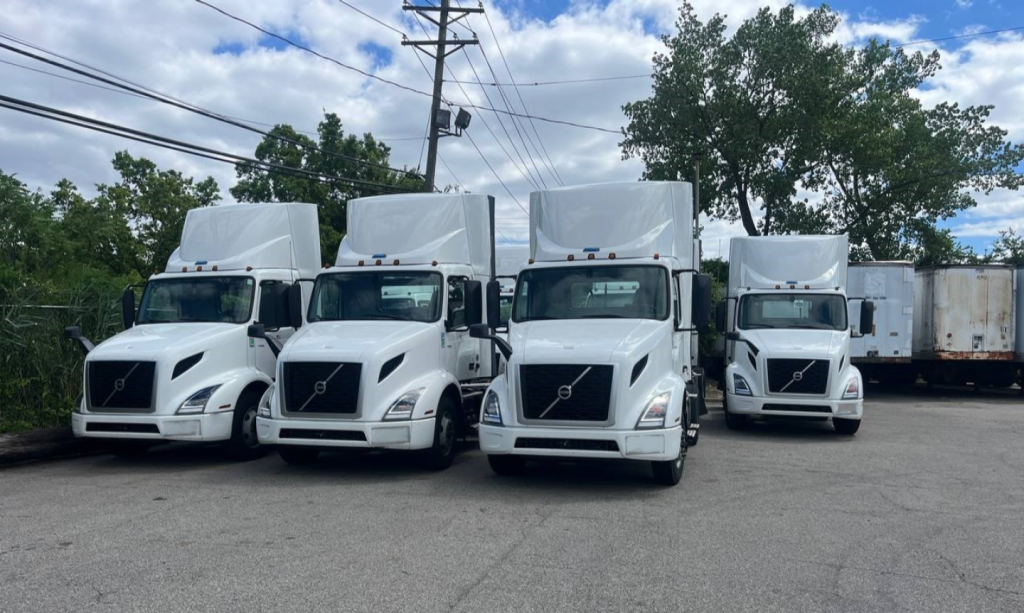
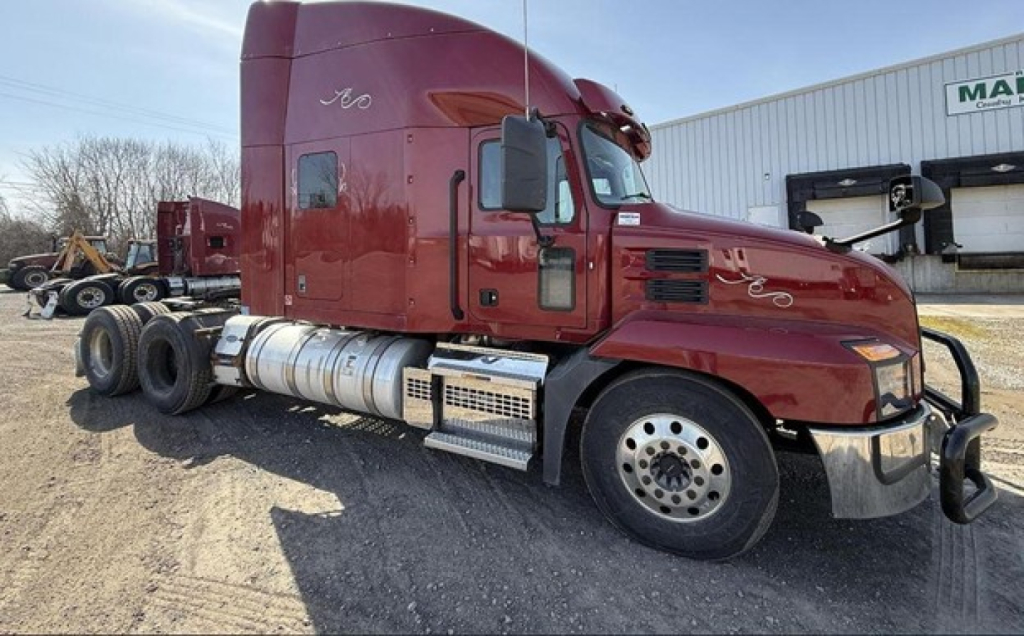
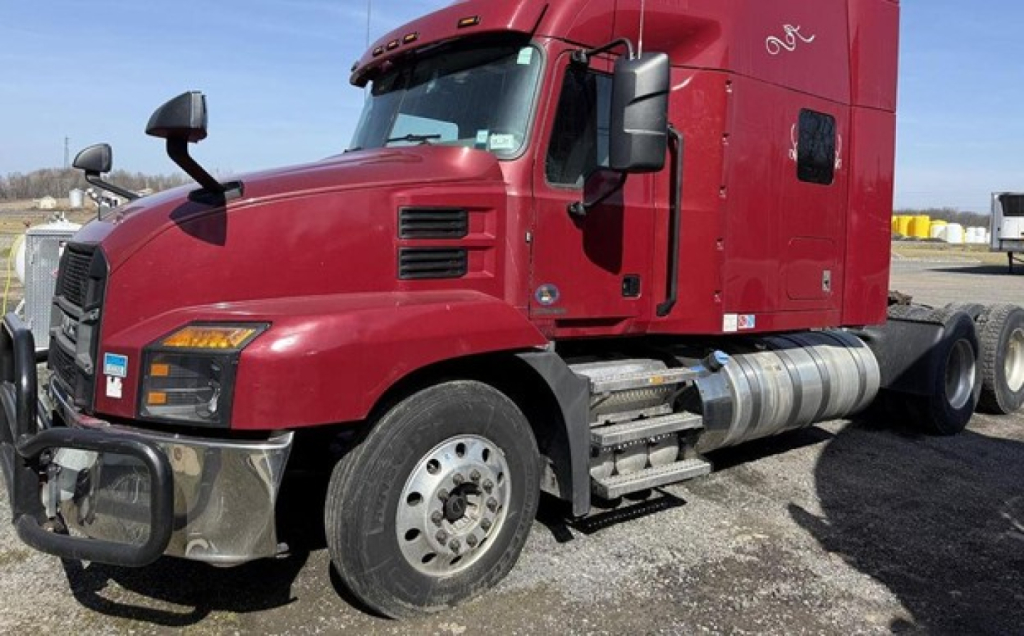
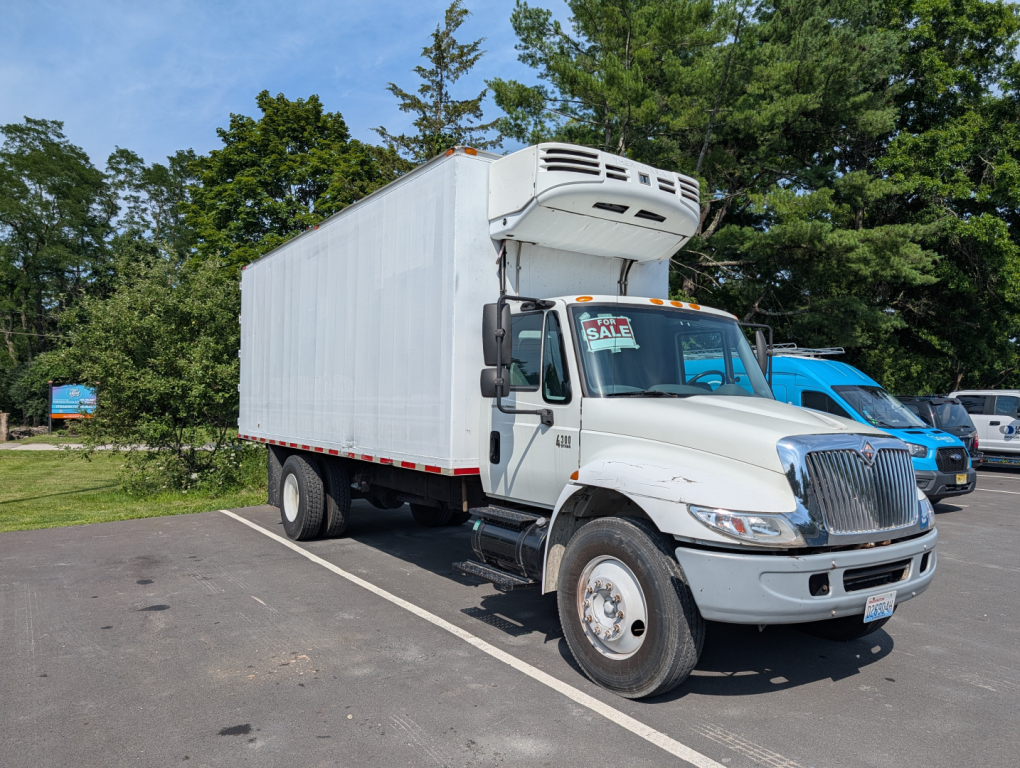
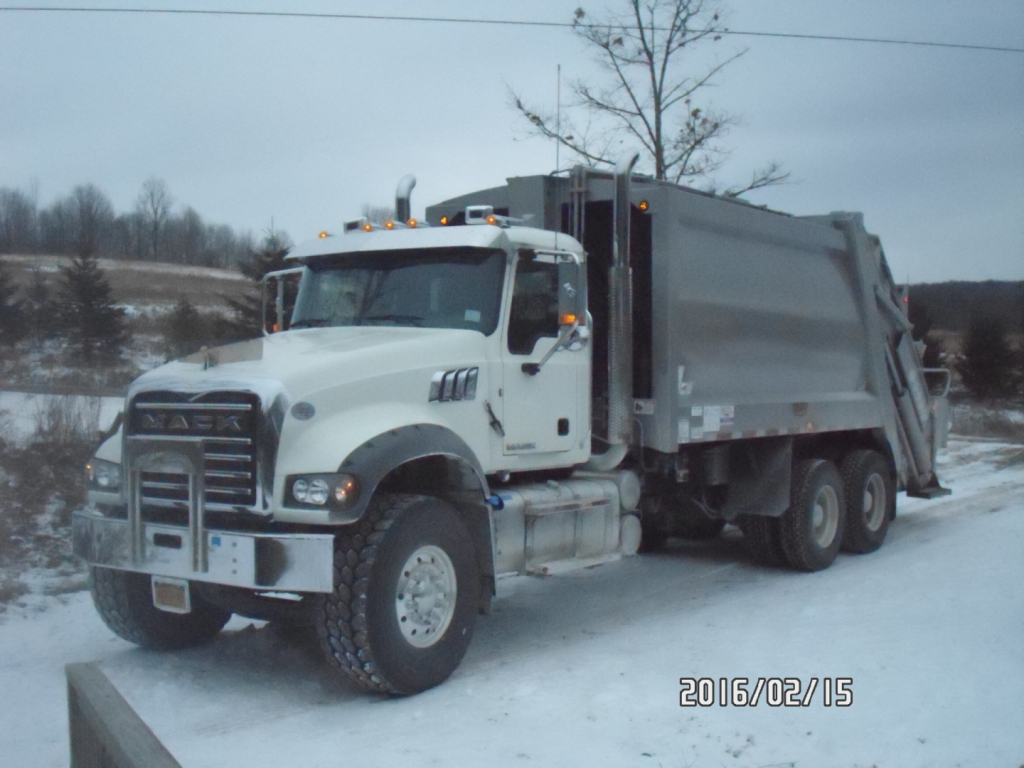
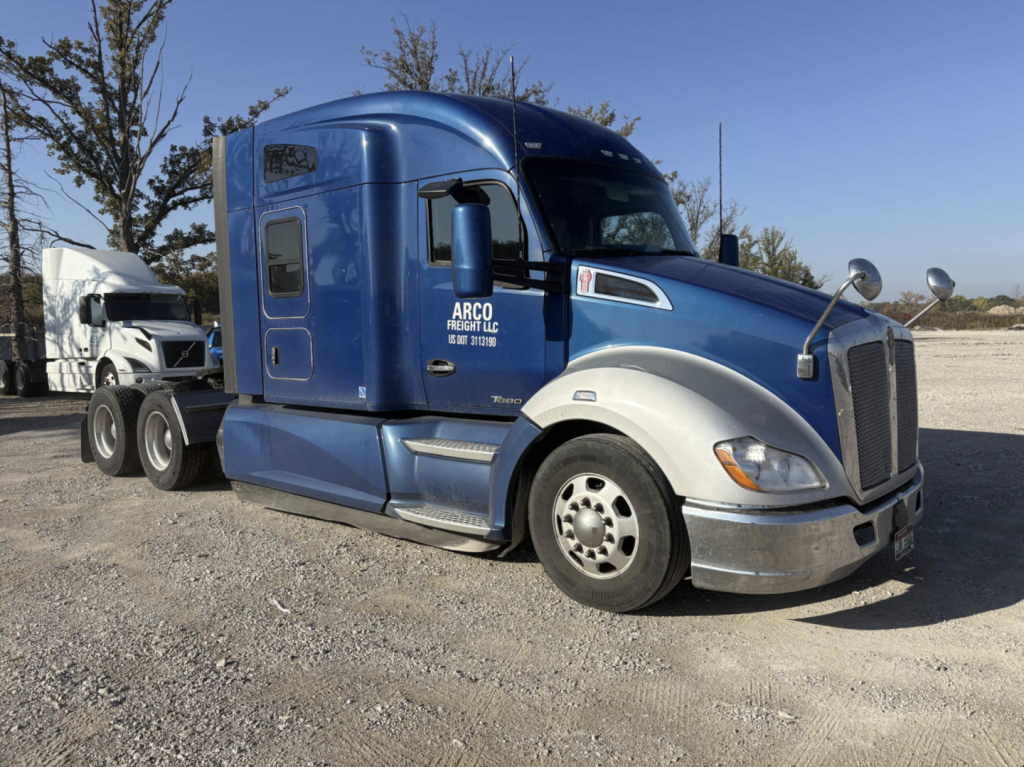
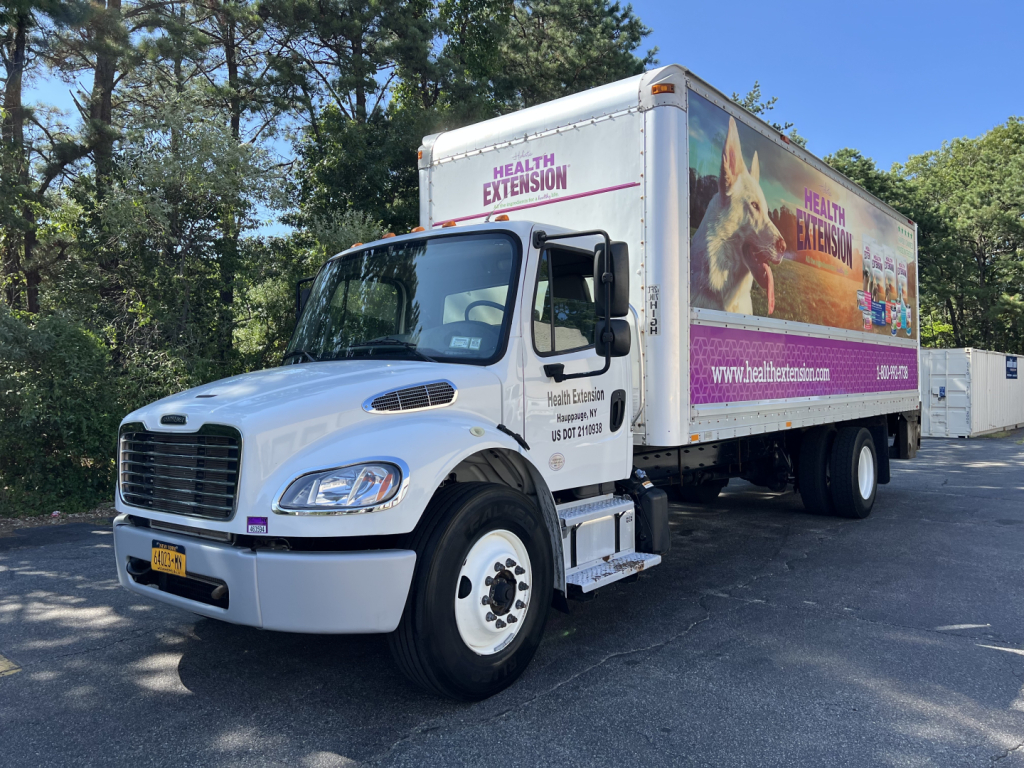
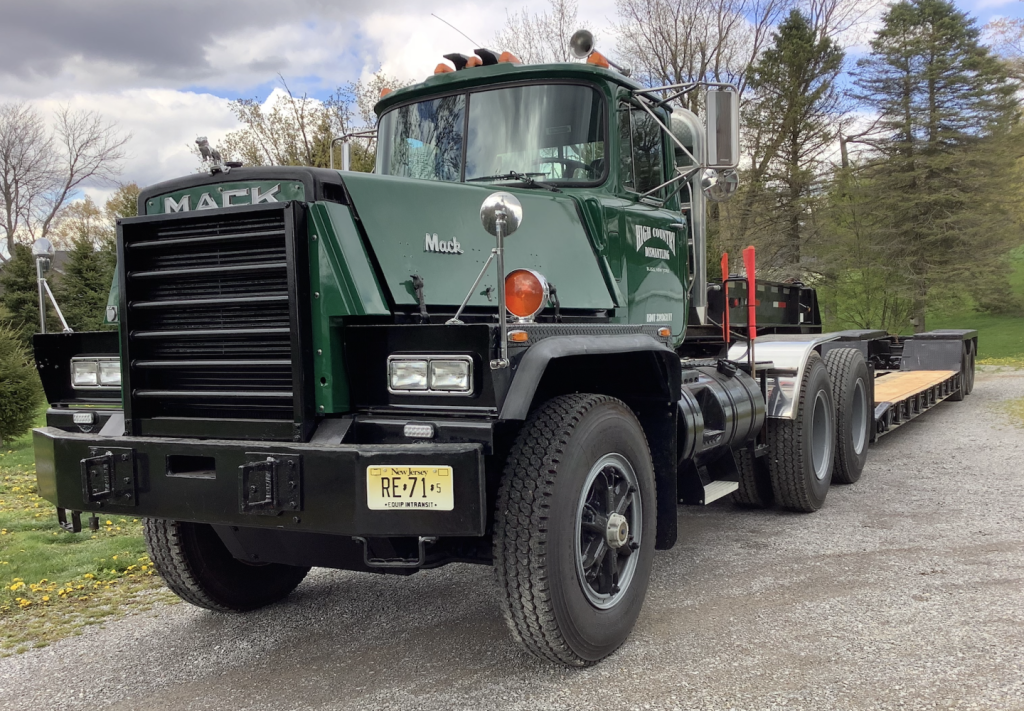
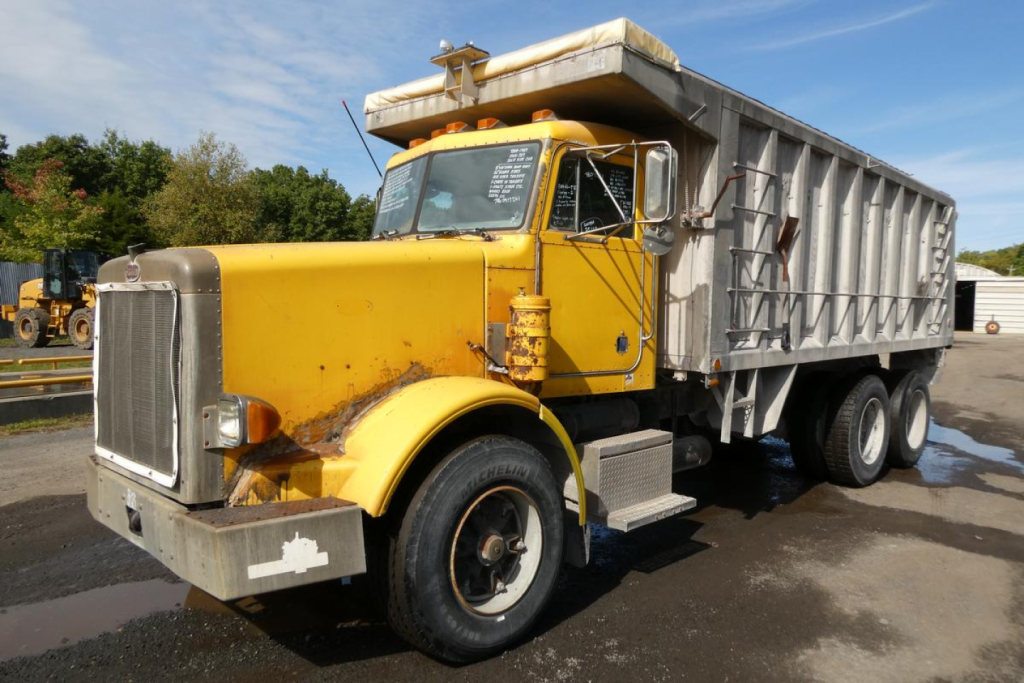
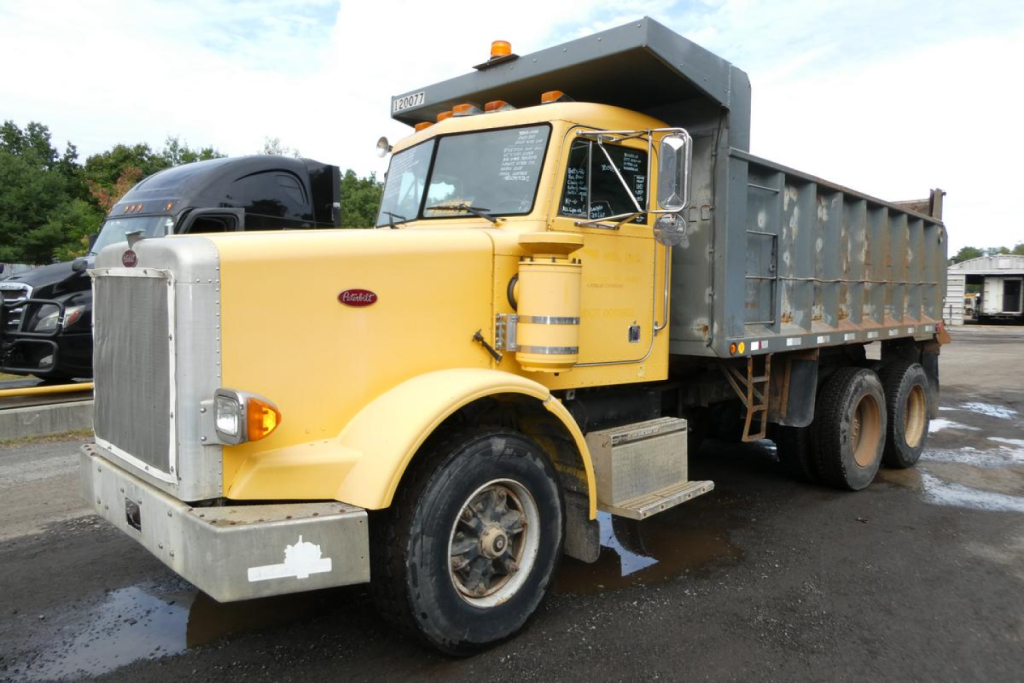
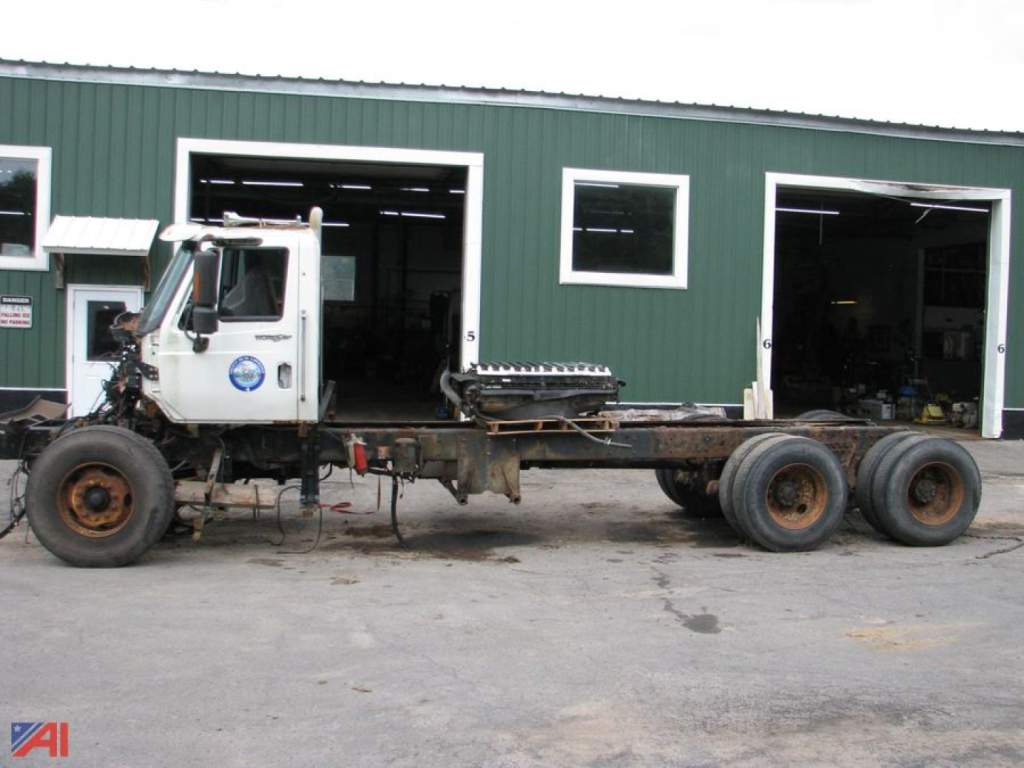
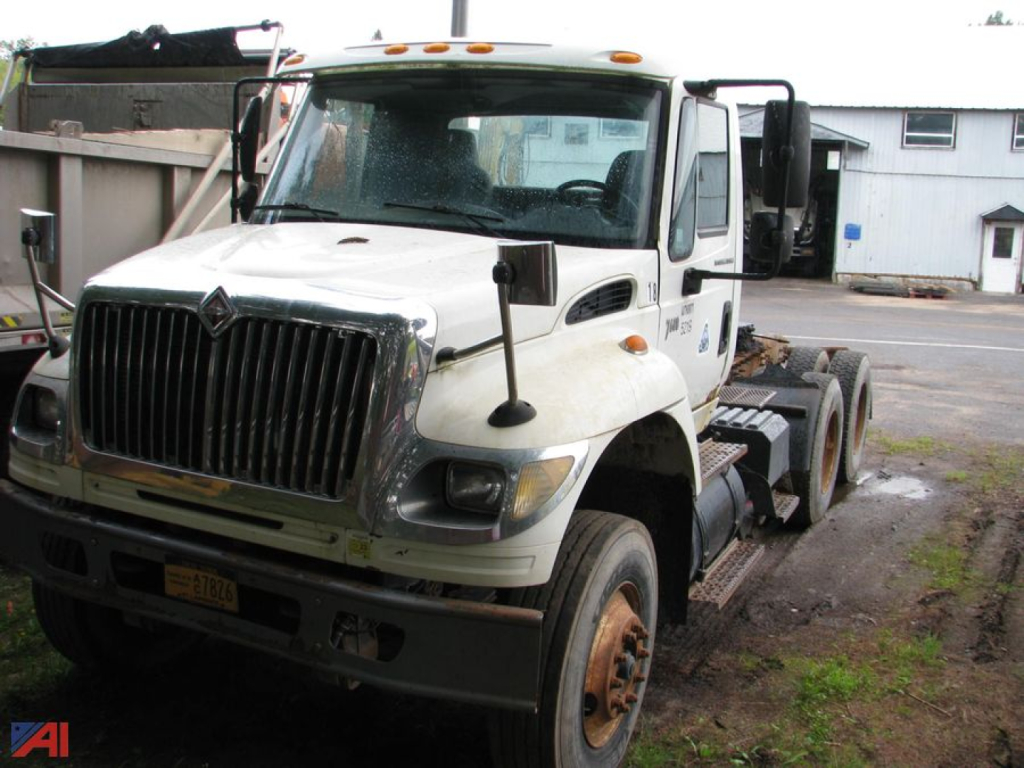
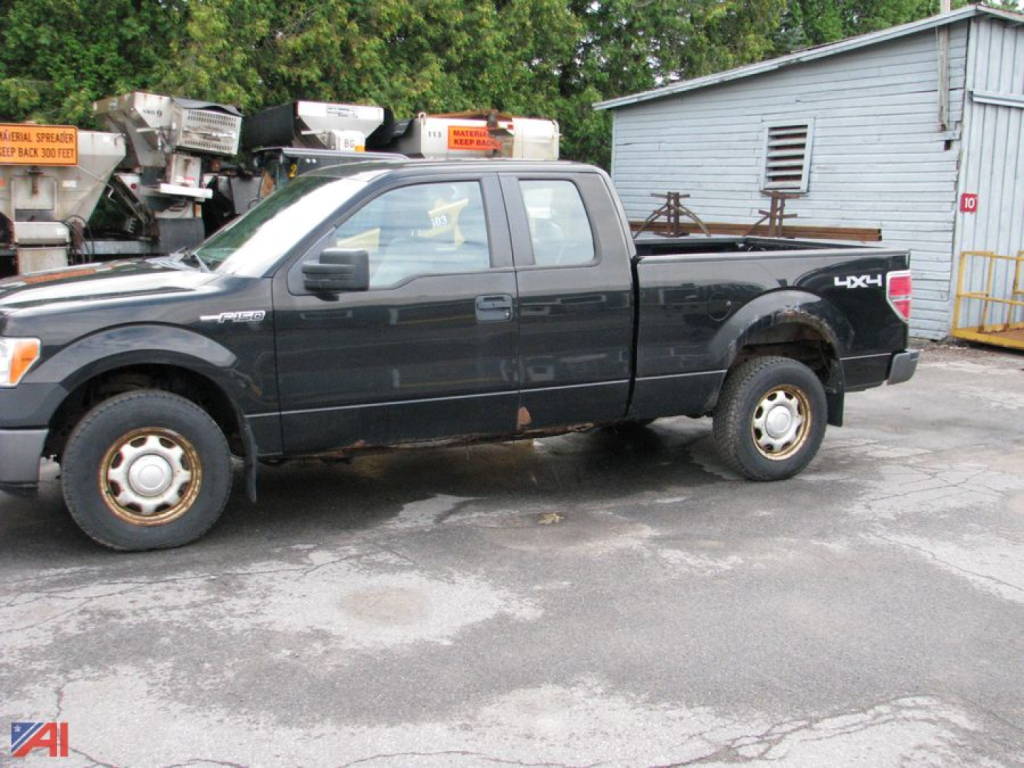
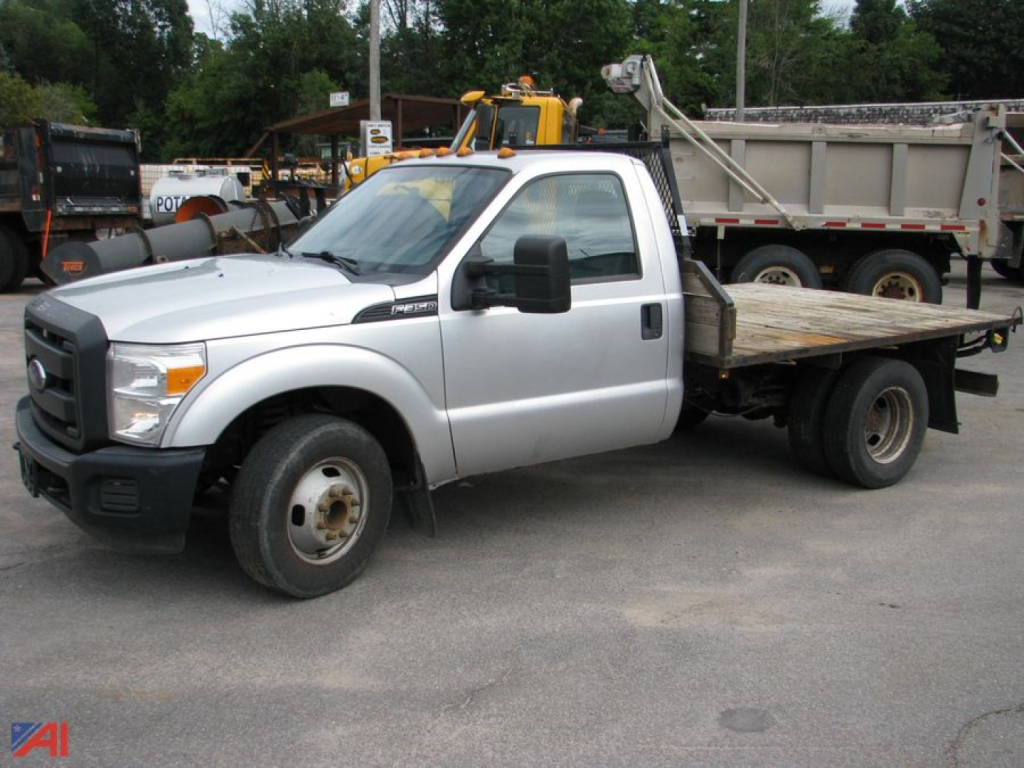
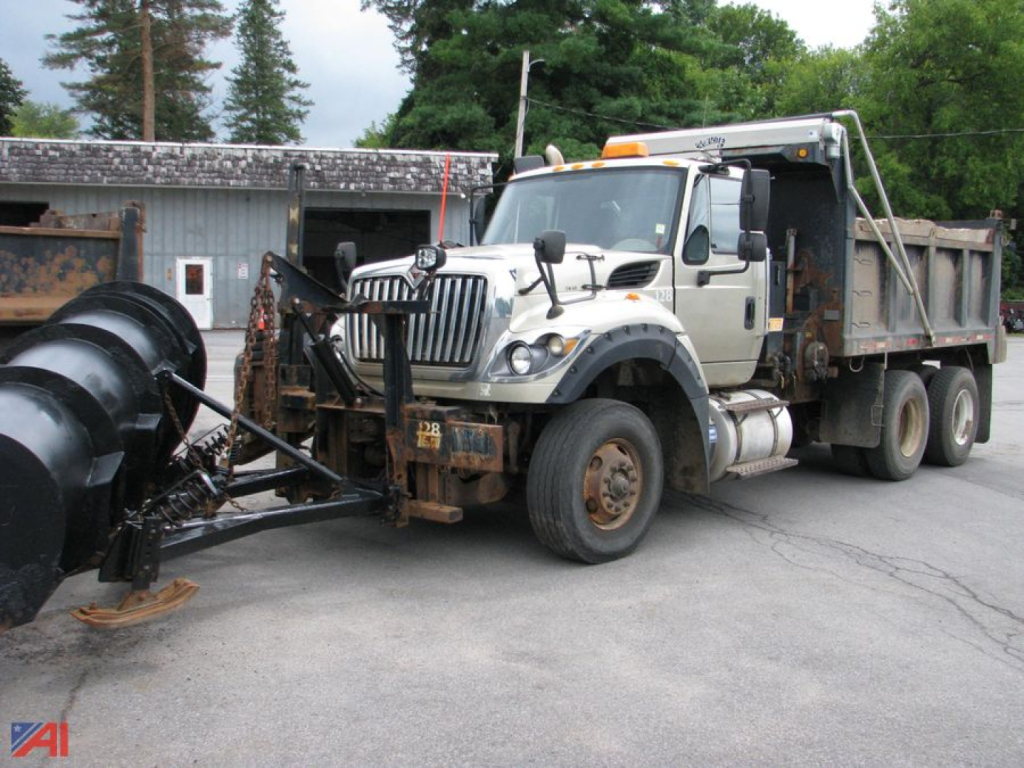
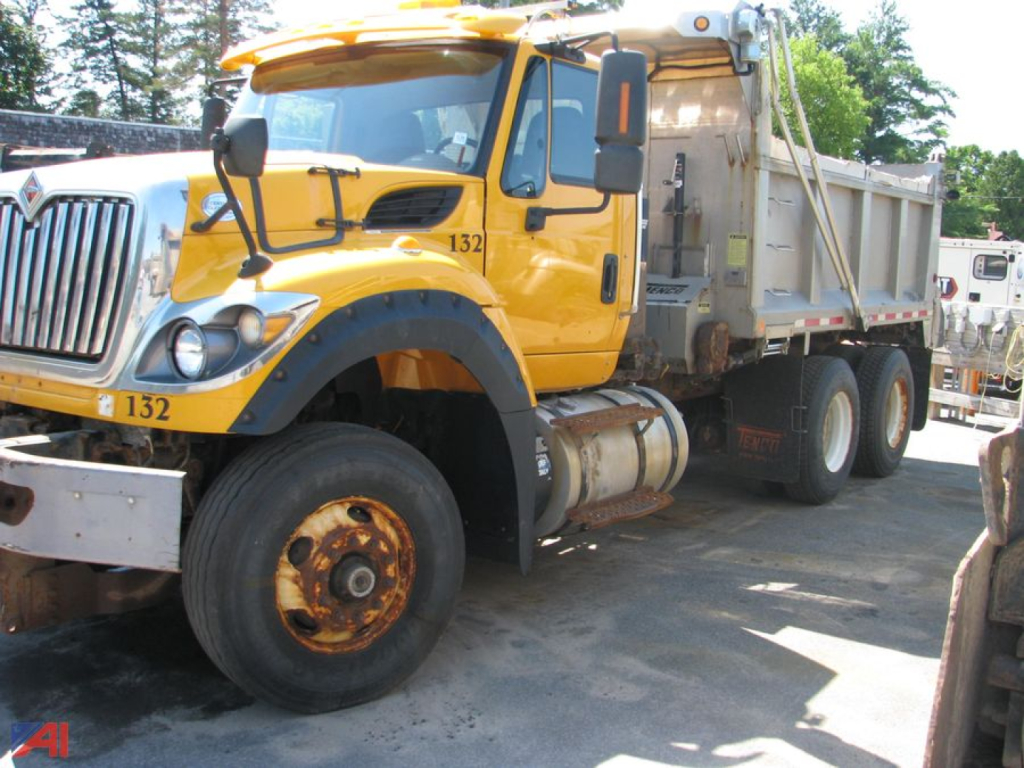
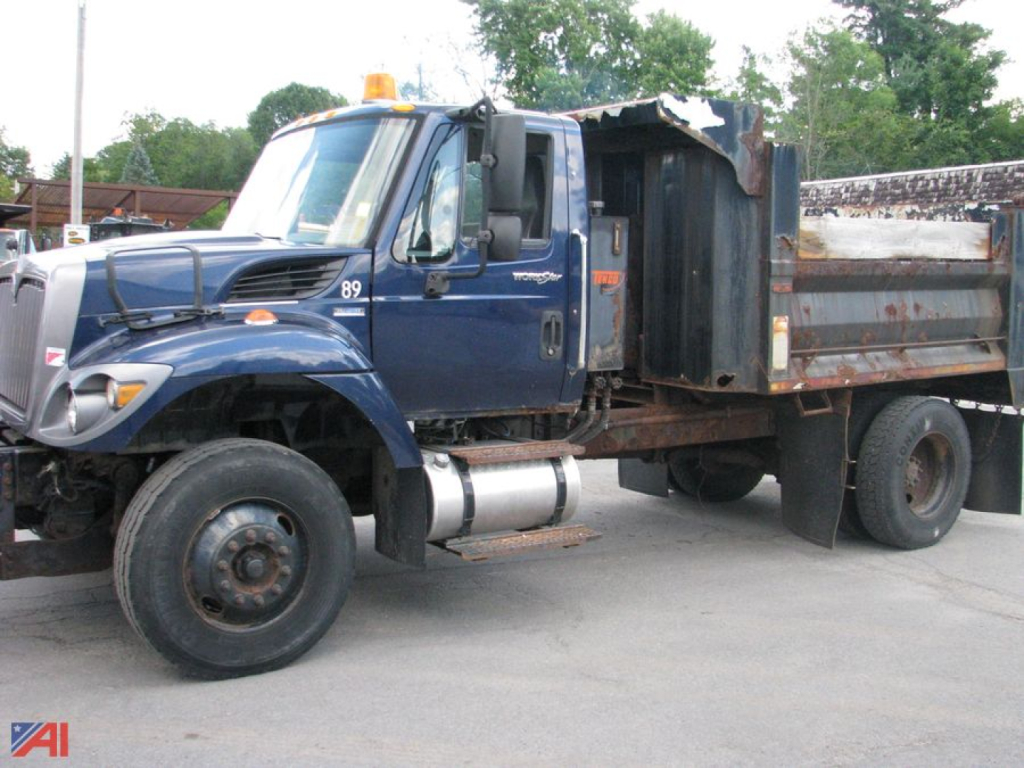
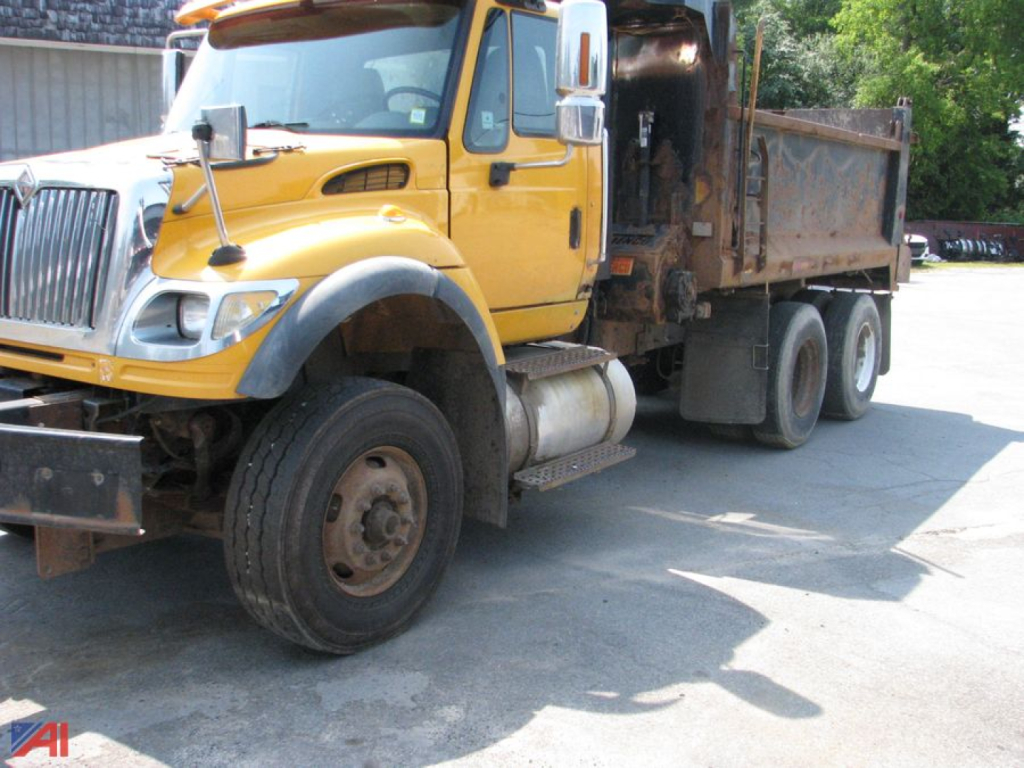
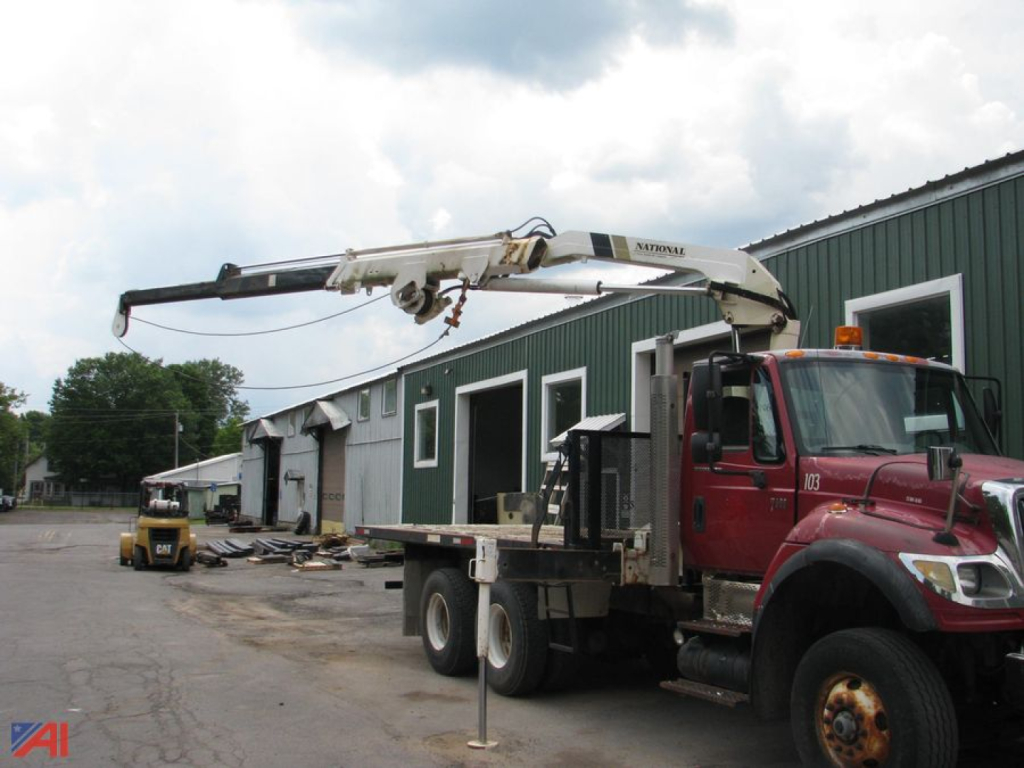
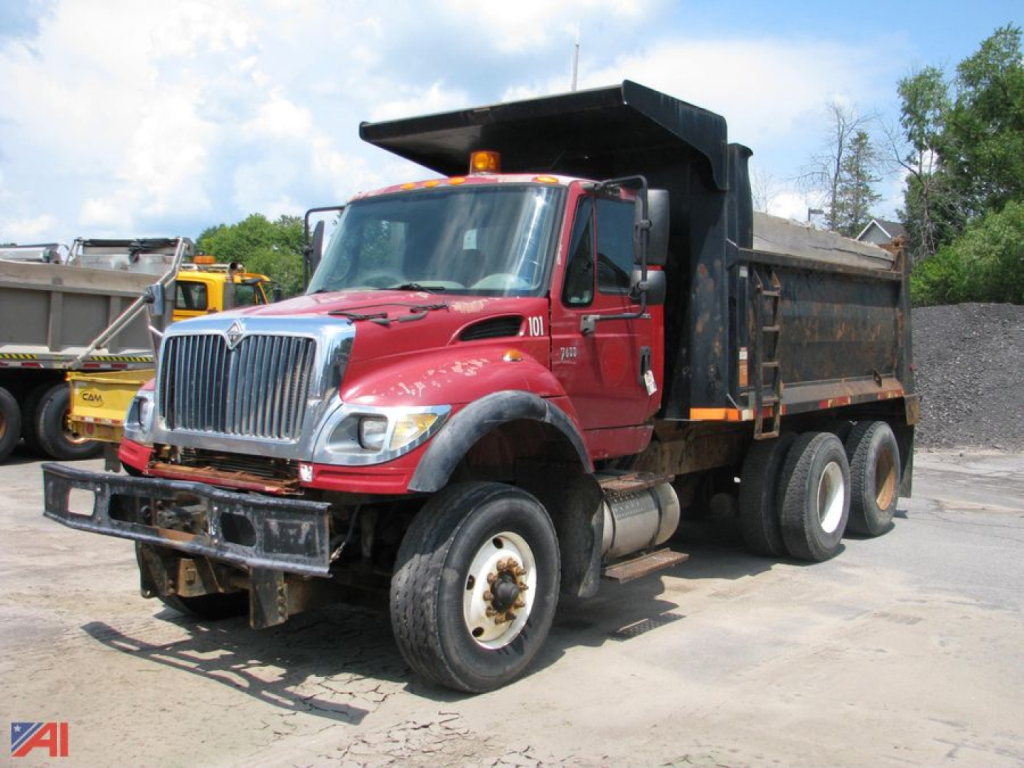
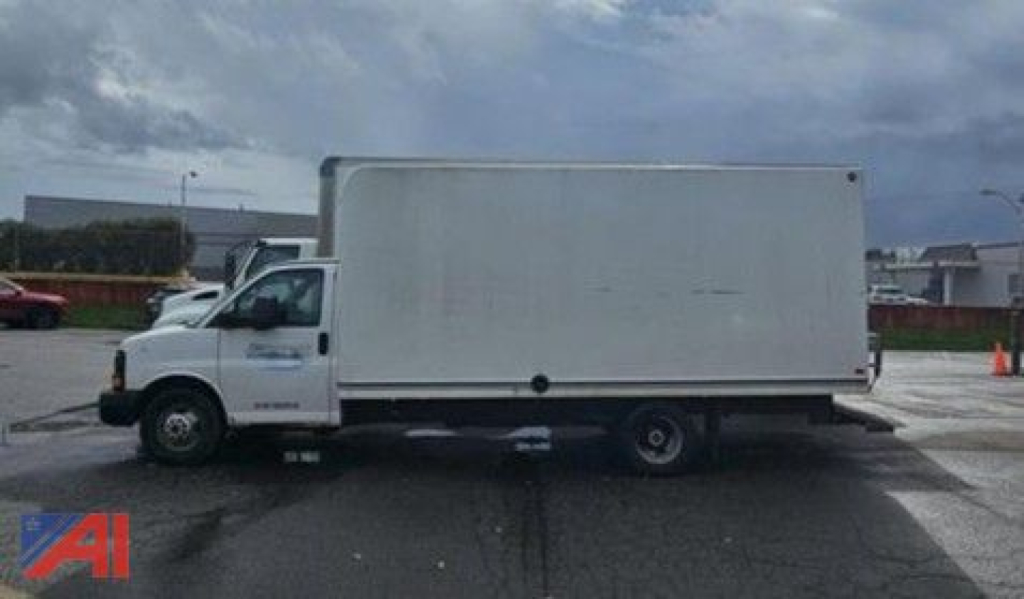
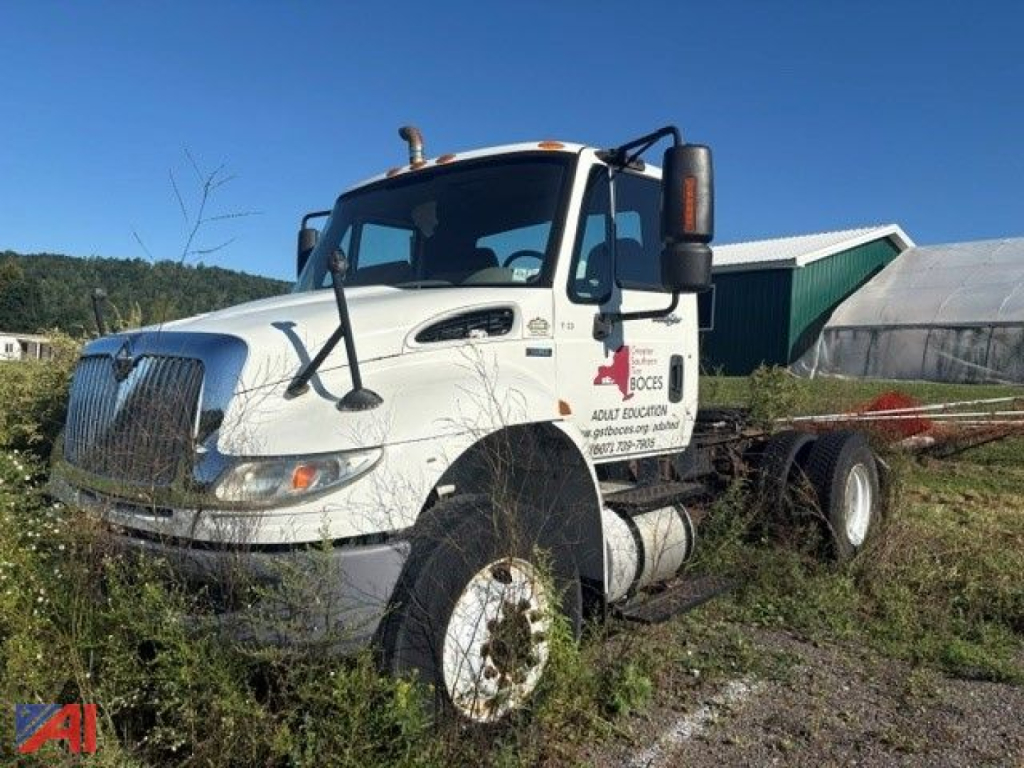
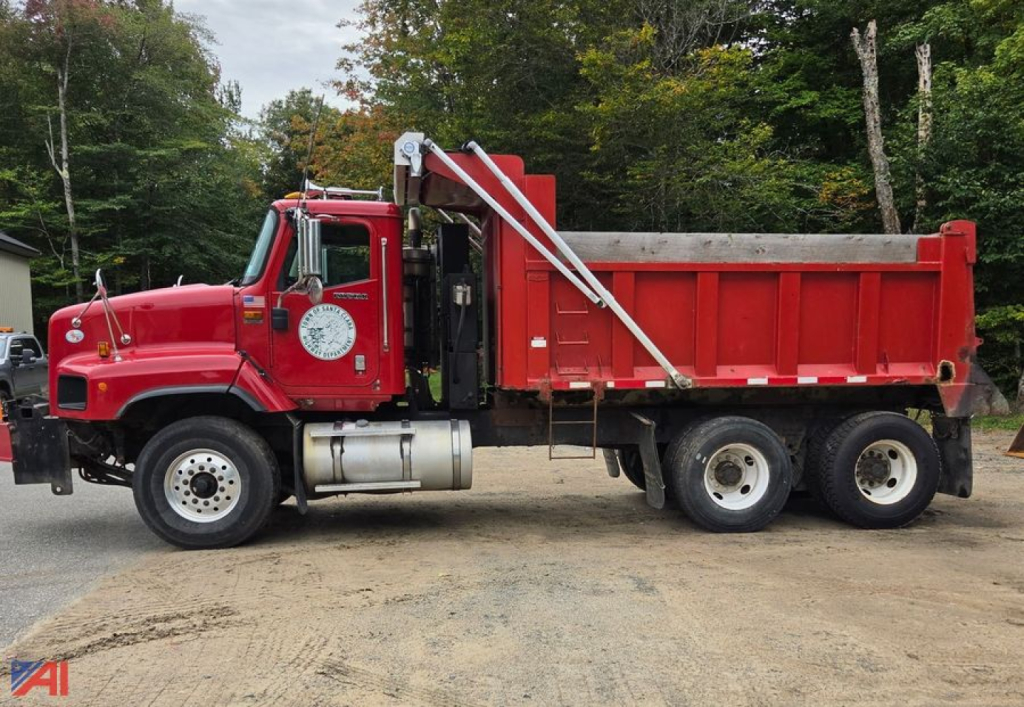
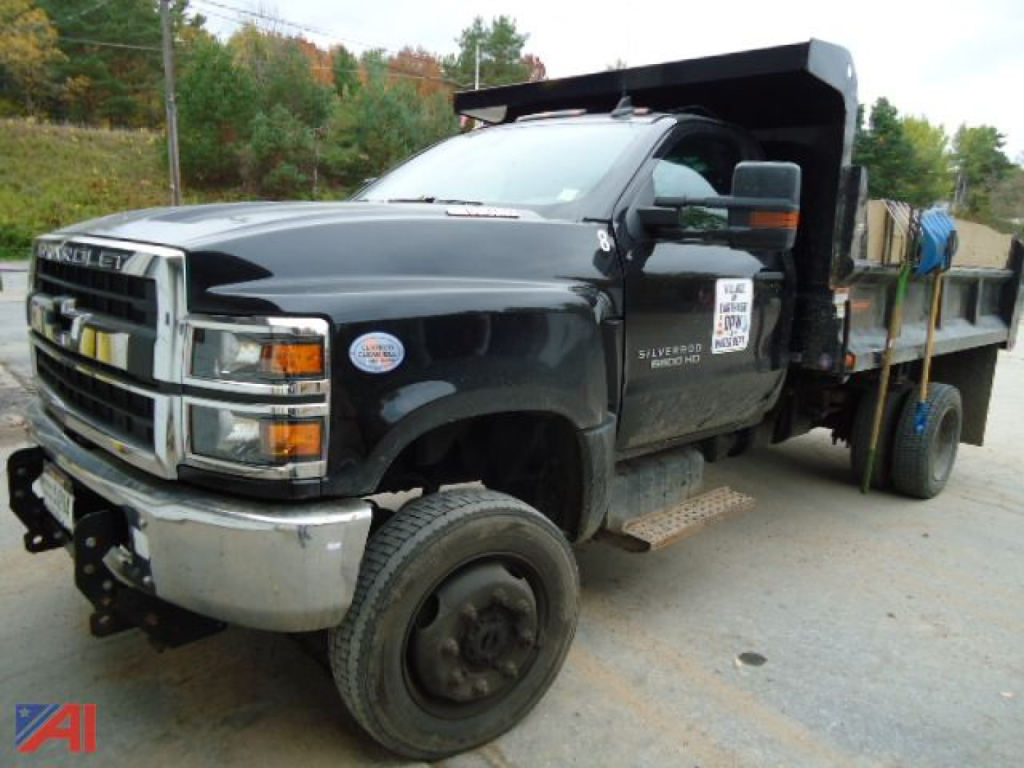
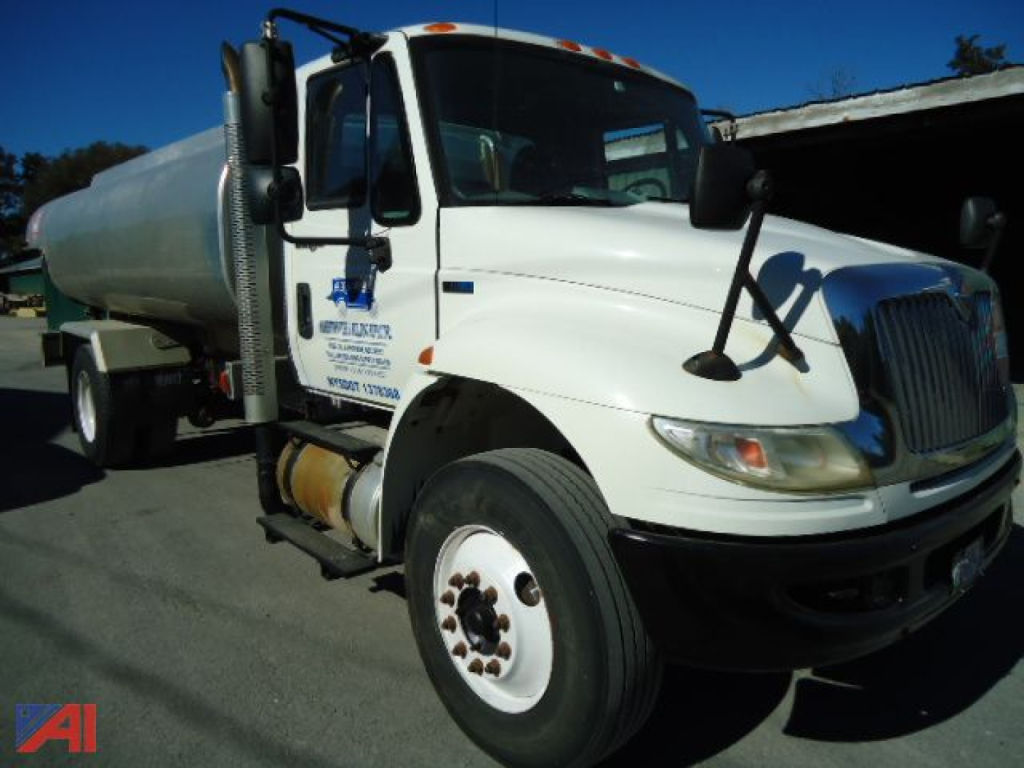
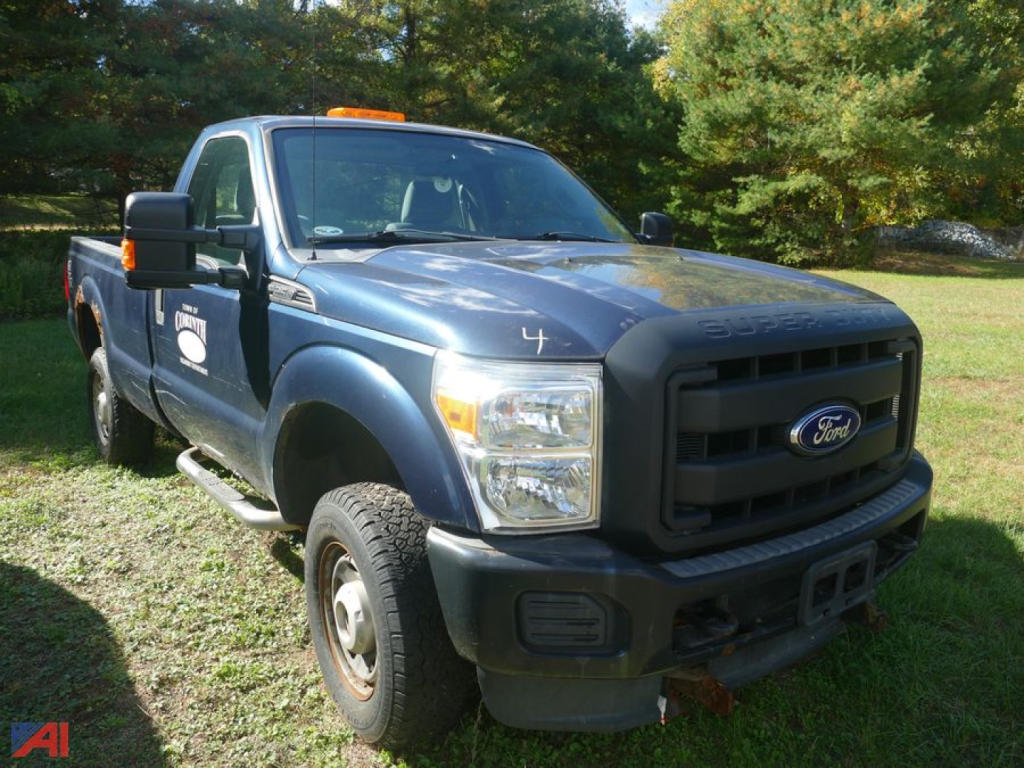
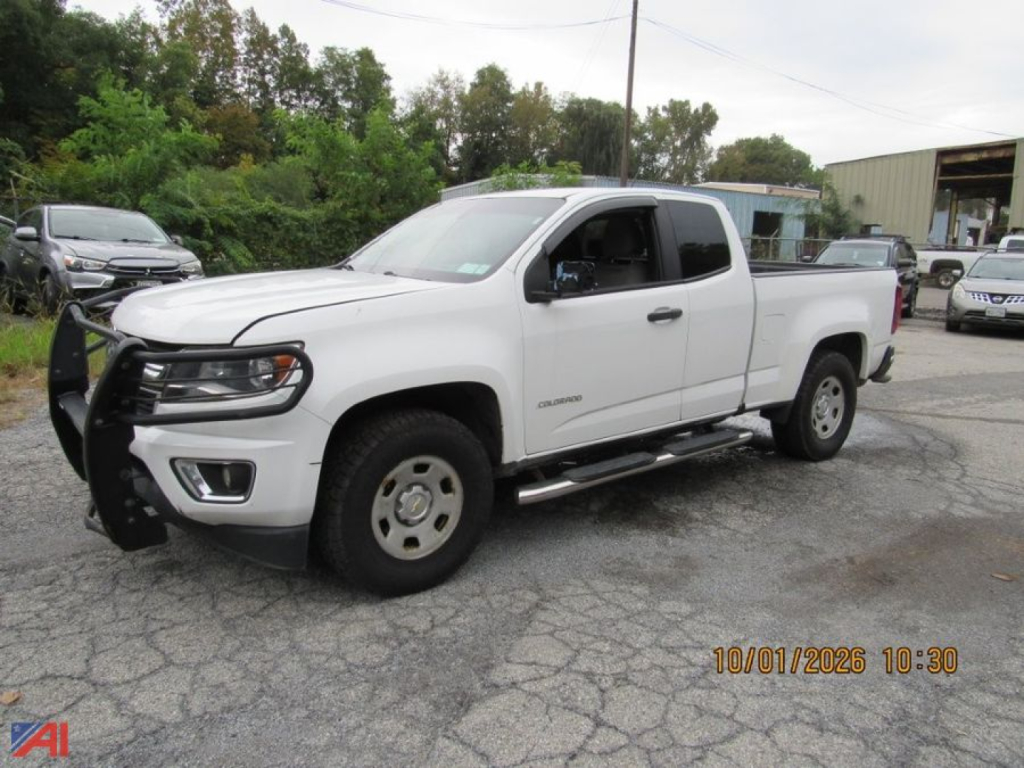
Showing 1 to 28 of 447 results
Looking for the easiest place to sell your recycling truck? List it here to reach thousands of buyers.
Recycling Trucks in New York
Body capacity, compaction system, and loading height have a direct effect on productivity. Many recycling trucks use high-capacity bodies designed for paper, cardboard, plastics, and commingled recyclables that fill space before they hit legal weight. Buyers should look closely at cubic-yard rating, packer blade design, hopper size, hydraulic condition, tailgate seal integrity, and ejector or dump mechanism performance. On older units, pay attention to floor wear, body corrosion, crossmember condition, cylinder leaks, PTO operation, and signs of stress around hinge points and hoist mounts.
Chassis specs matter because recycling work is stop-and-go, PTO-intensive, and hard on suspensions and brakes. Common considerations include GVWR, axle ratings, wheelbase, transmission type, rear ratio, and turning radius for tight urban routes. Diesel medium-duty chassis from builders like International, Mack, Peterbilt, Kenworth, Freightliner, and Autocar are common, with automatic transmissions often preferred for route work. In New York, buyers should also factor in rust exposure, frame condition, brake and suspension wear from municipal duty cycles, and whether the truck's dimensions fit transfer stations, alleys, or city collection routes.
A good recycling truck should match the material stream and the way the route actually runs. For municipal fleets, durability, parts support, and hydraulic serviceability usually matter more than appearance. For private haulers and scrap or material recovery operations, payload balance, unload speed, and container compatibility can be just as important. The best choice is the truck that gives you enough body volume, the right loading setup, and a chassis that can survive repeated starts, tight turns, and daily hydraulic cycling without becoming a maintenance problem.
Frequently Asked Questions about Recycling Trucks in New York
What is the difference between a recycling truck and a regular garbage truck?
A recycling truck is typically configured for higher-volume, lighter-density material such as cardboard, paper, plastics, and mixed recyclables. Many use body designs, hoppers, and compaction systems intended to protect payload volume and improve route efficiency rather than maximize compaction of wet refuse. Some recycling trucks are non-packer dump bodies, while others are packer bodies tuned for recyclables collection.
What body size is common for a recycling truck?
Body size depends on the application, but many recycling trucks fall into medium- to high-volume configurations, often in the 20 to 40 cu. yd. range or more. The right size depends on route density, material type, transfer distance, and axle ratings. Lightweight recyclable material often requires more cubic capacity before weight becomes the limiting factor.
What should I inspect first on a used recycling truck?
Start with the body and hydraulic system. Check the floor, sidewalls, tailgate, hinges, hoist, cylinders, PTO, and hydraulic lines for leaks, cracks, corrosion, and excessive wear. Then inspect the chassis for frame rust, brake condition, suspension wear, steering play, and engine and transmission performance. On municipal or fleet units, service records can be especially valuable because these trucks often operate on severe stop-and-go duty cycles.
Are automatic transmissions better for recycling routes?
Automatic transmissions are often preferred for recycling routes because they reduce driver fatigue and handle constant stop-and-go operation more efficiently in urban service. They can also help with consistency across multiple drivers. A manual transmission may still appeal in certain applications, but for dense collection routes, an automatic is usually the more practical choice.