
Recycling Trucks For Sale
Browse recycling trucks for sale, including rear-load, side-load, and dump-style units built for municipal, scrap, and material recovery work.
No exact matches found for your search
Showing Commercial Trucks instead.

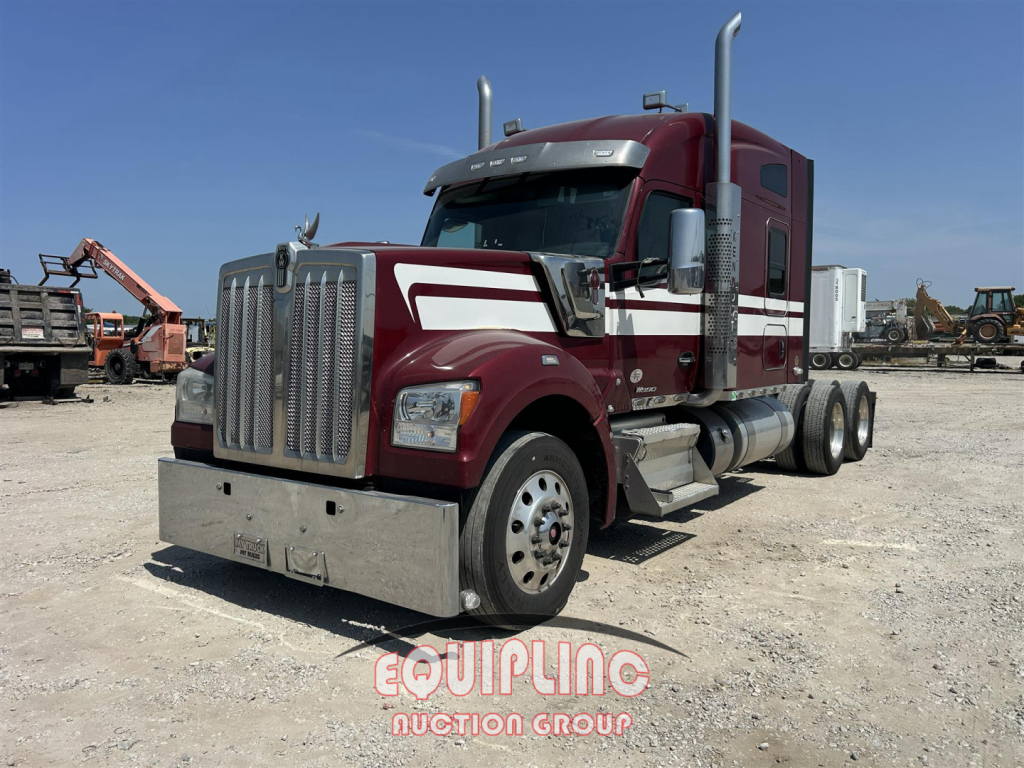
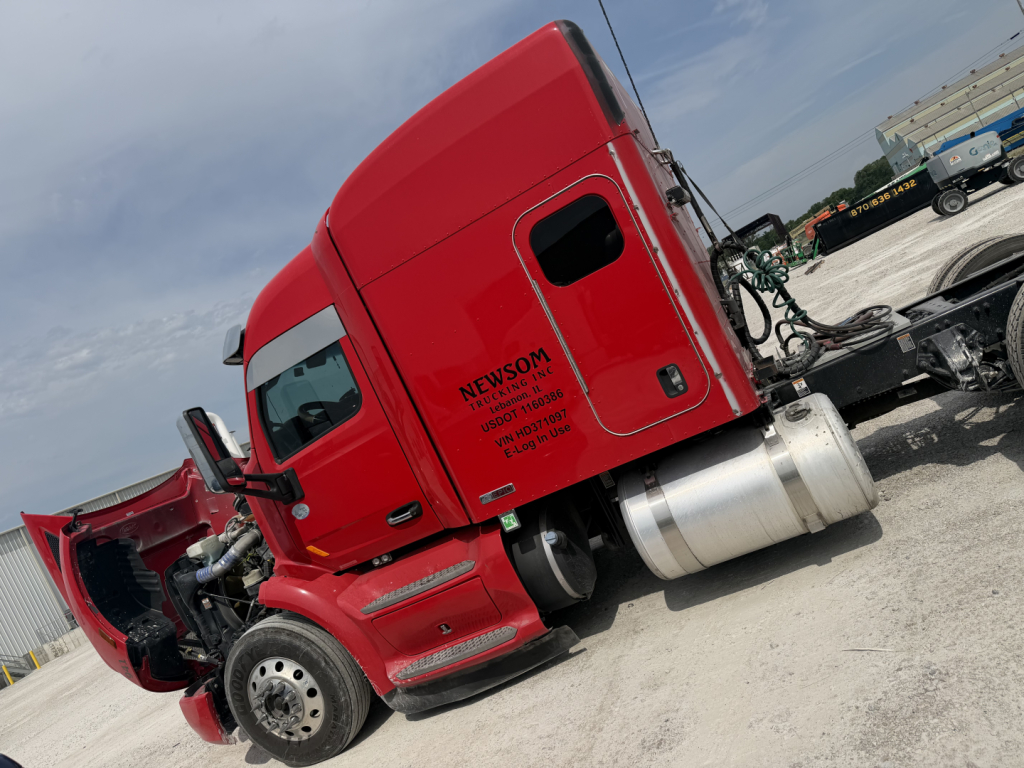
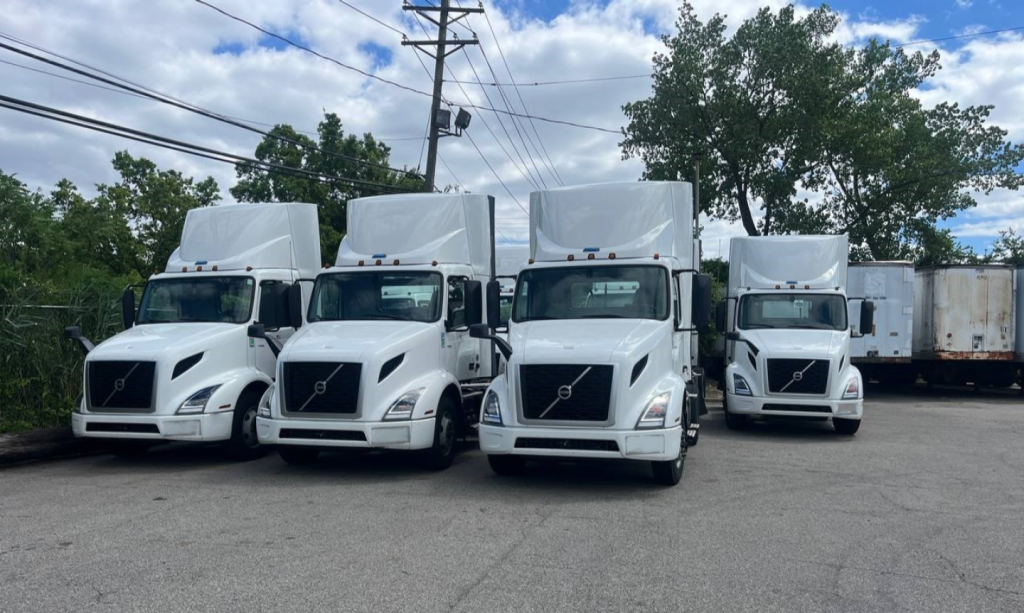
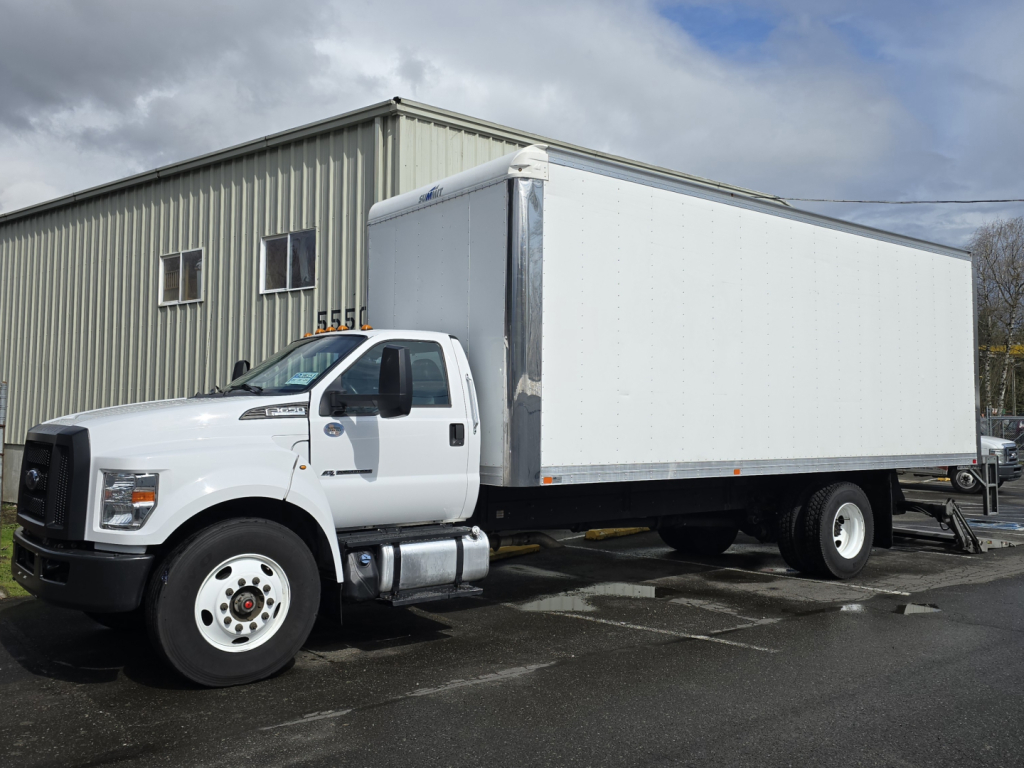
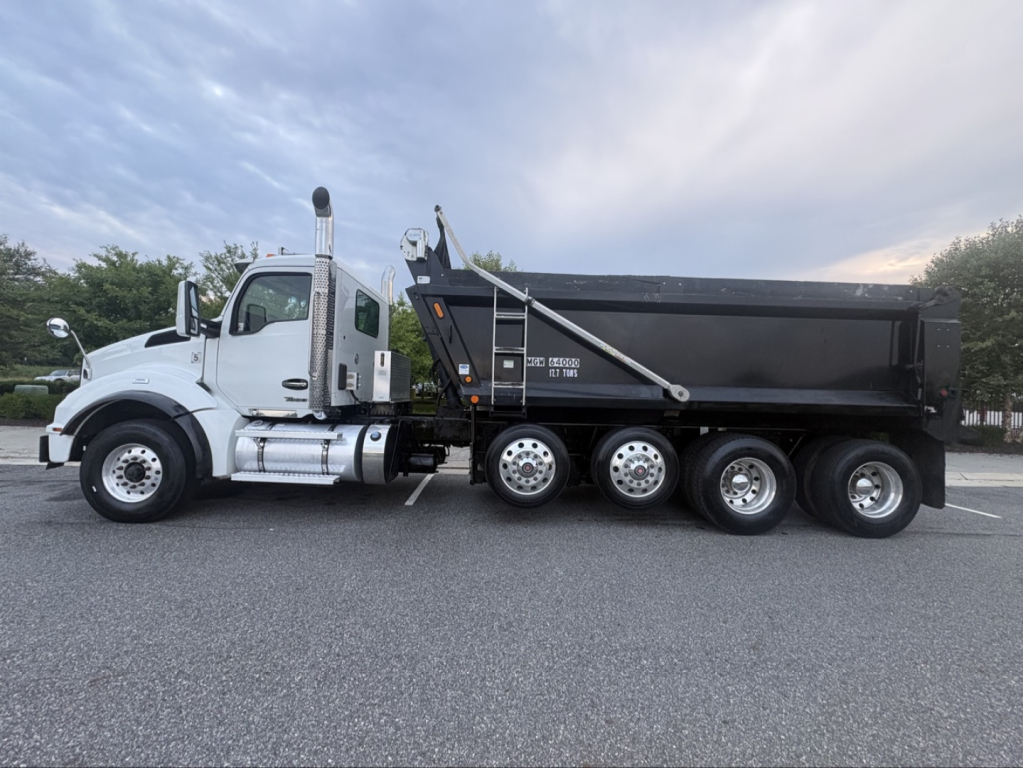
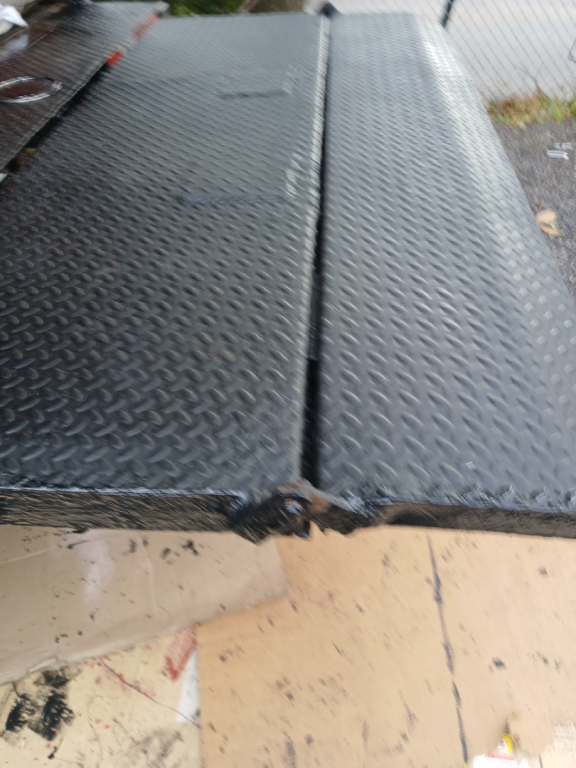
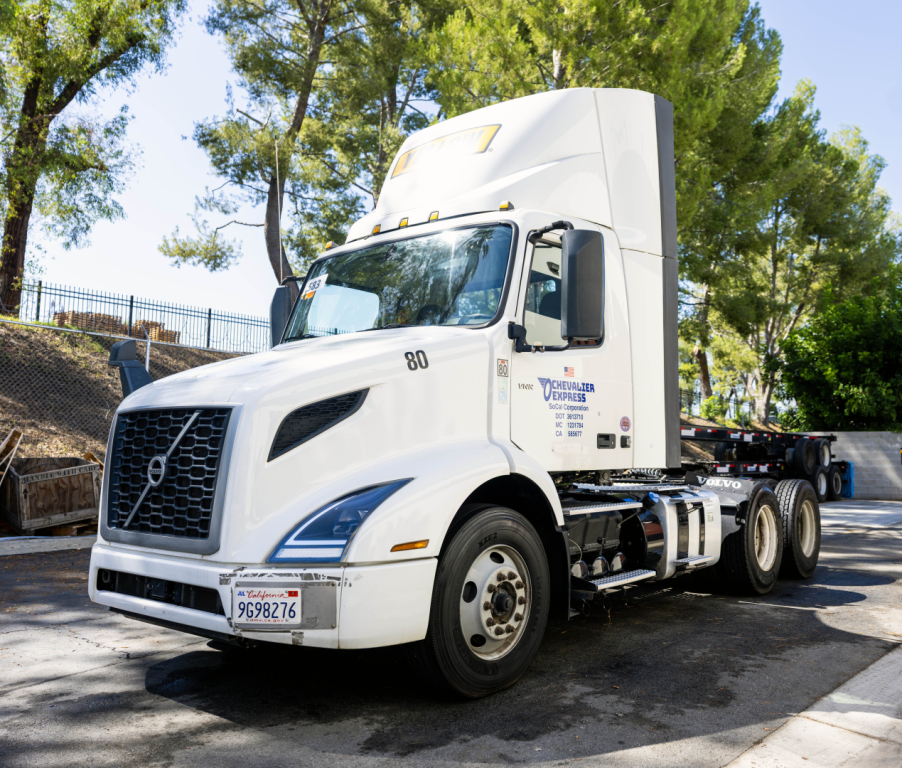
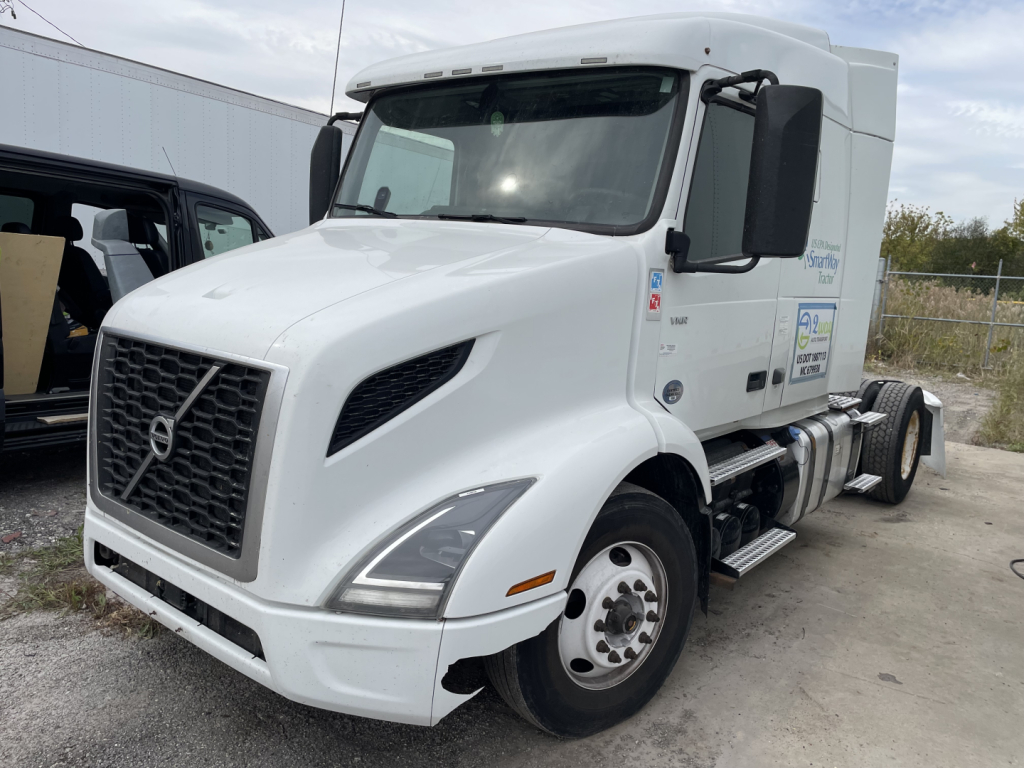
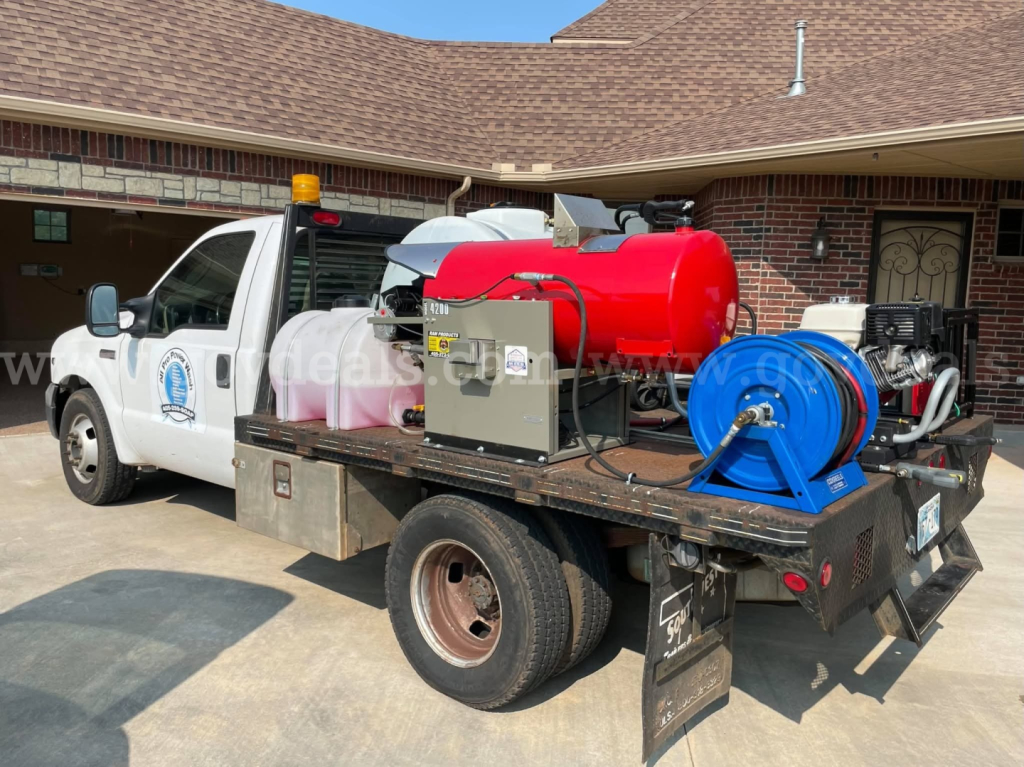
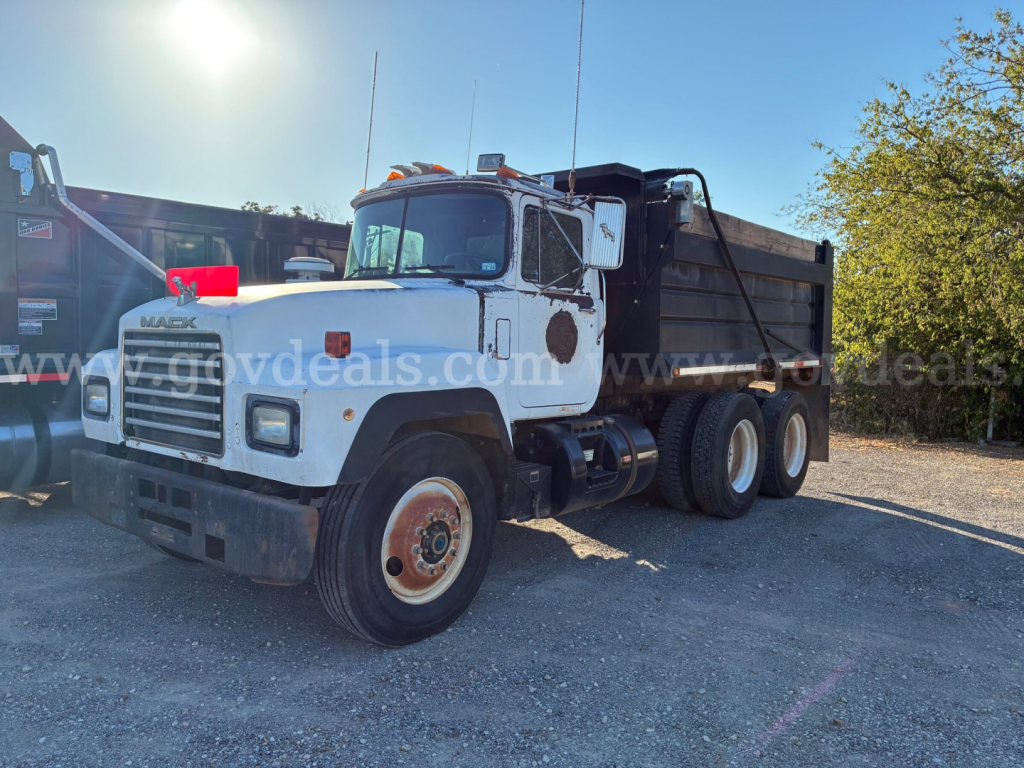
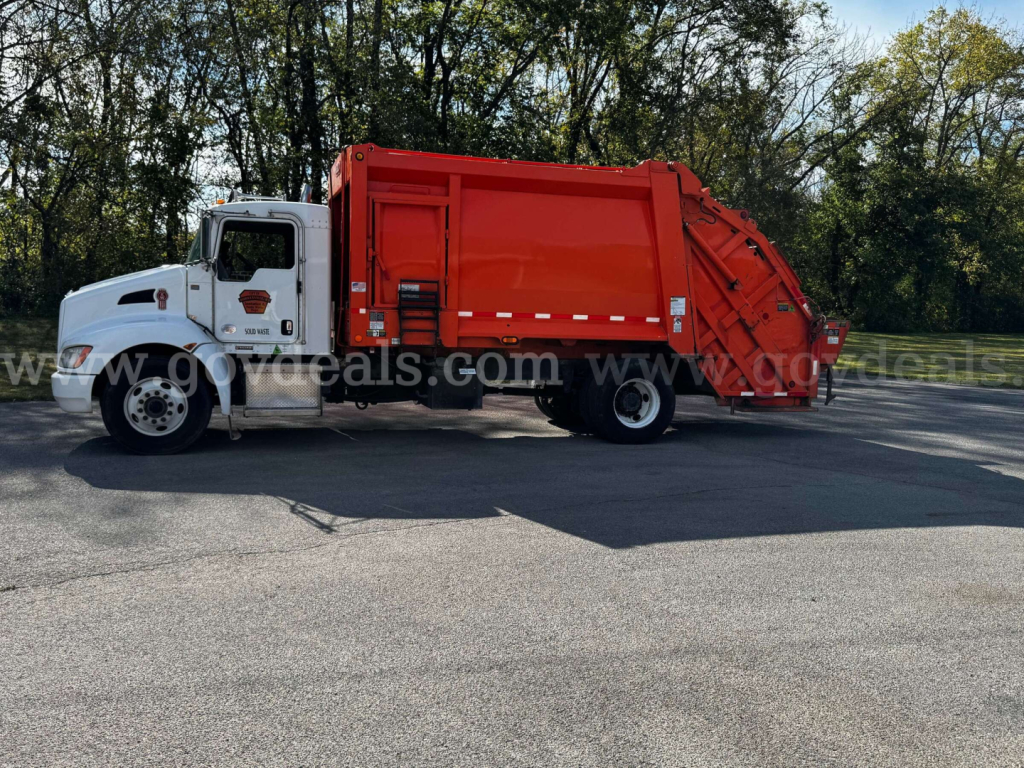
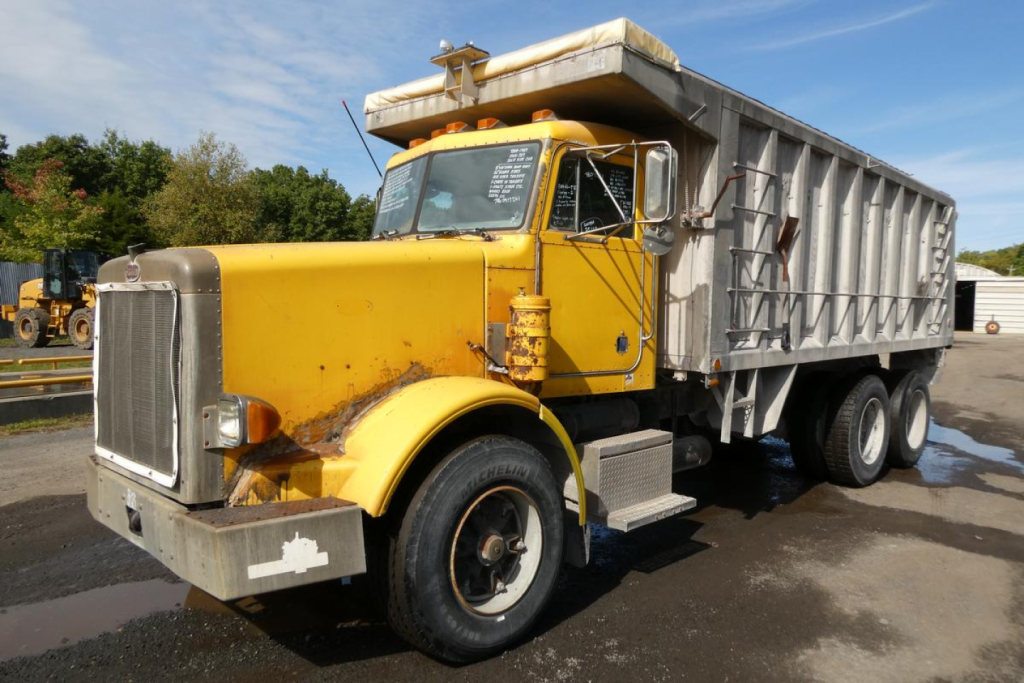
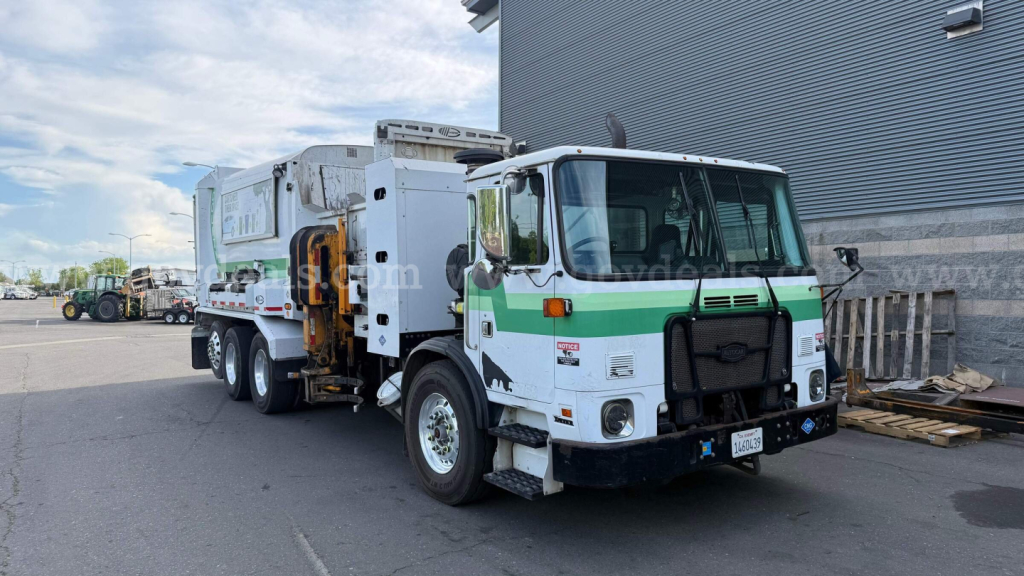
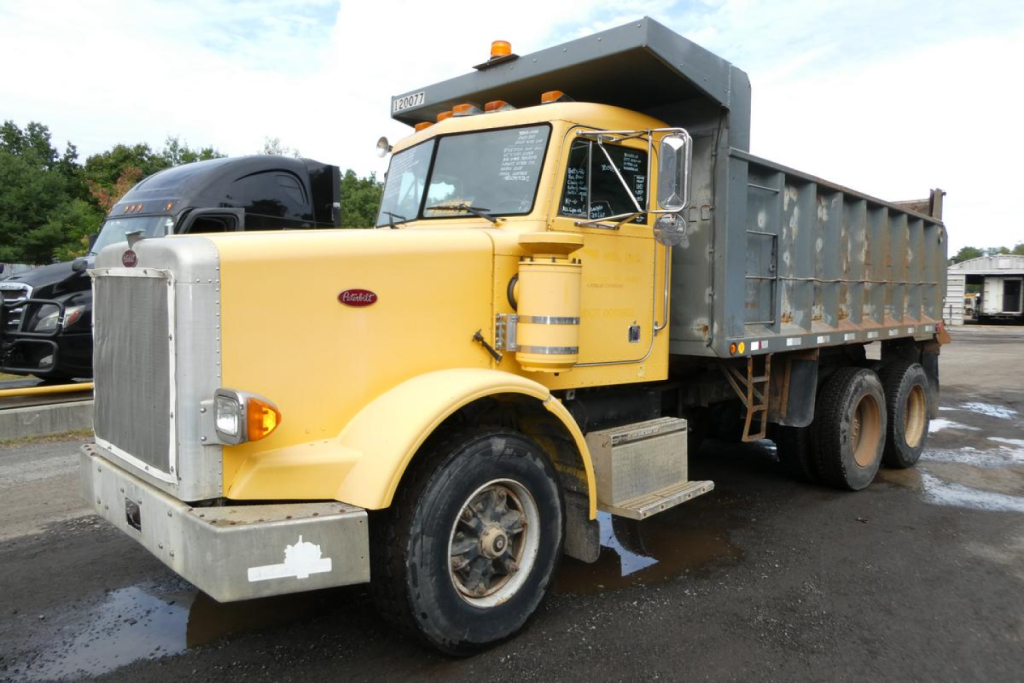
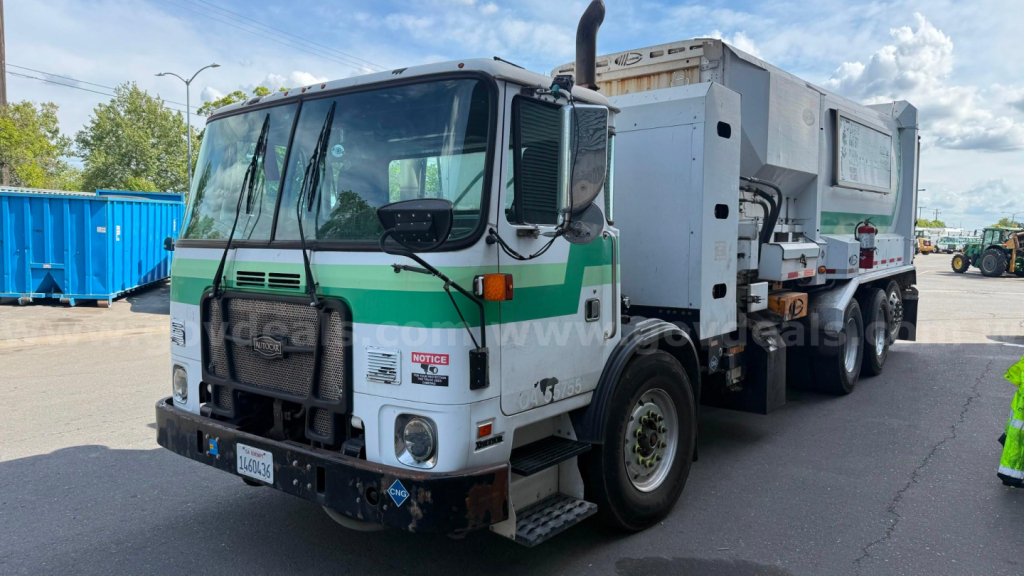
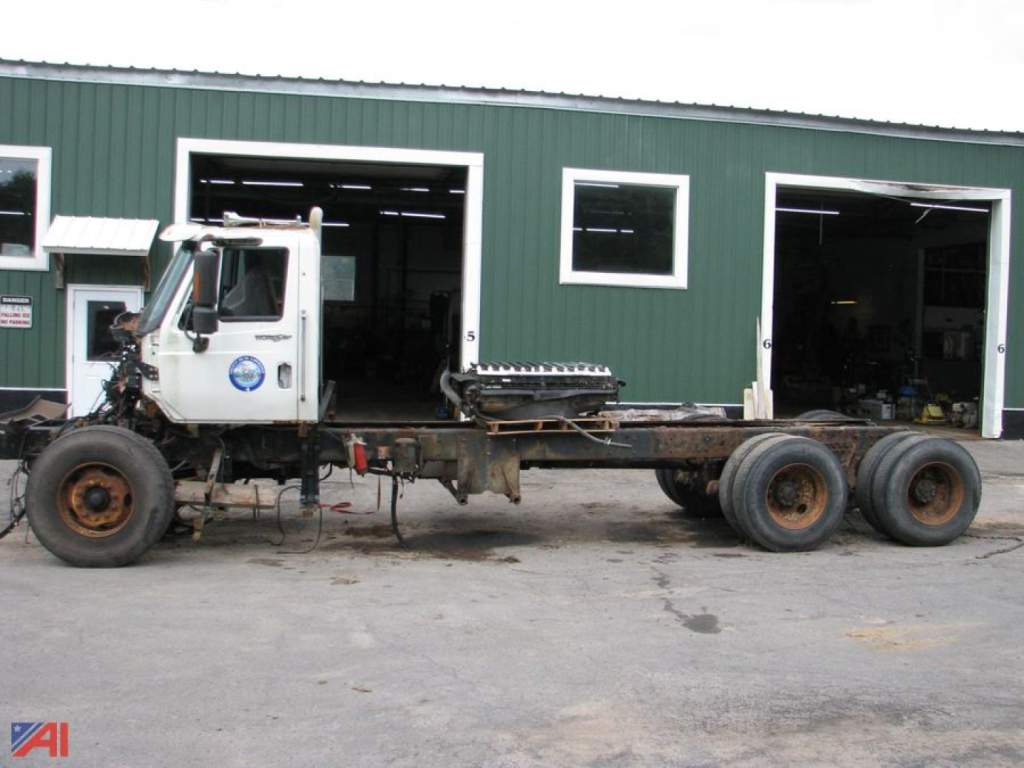
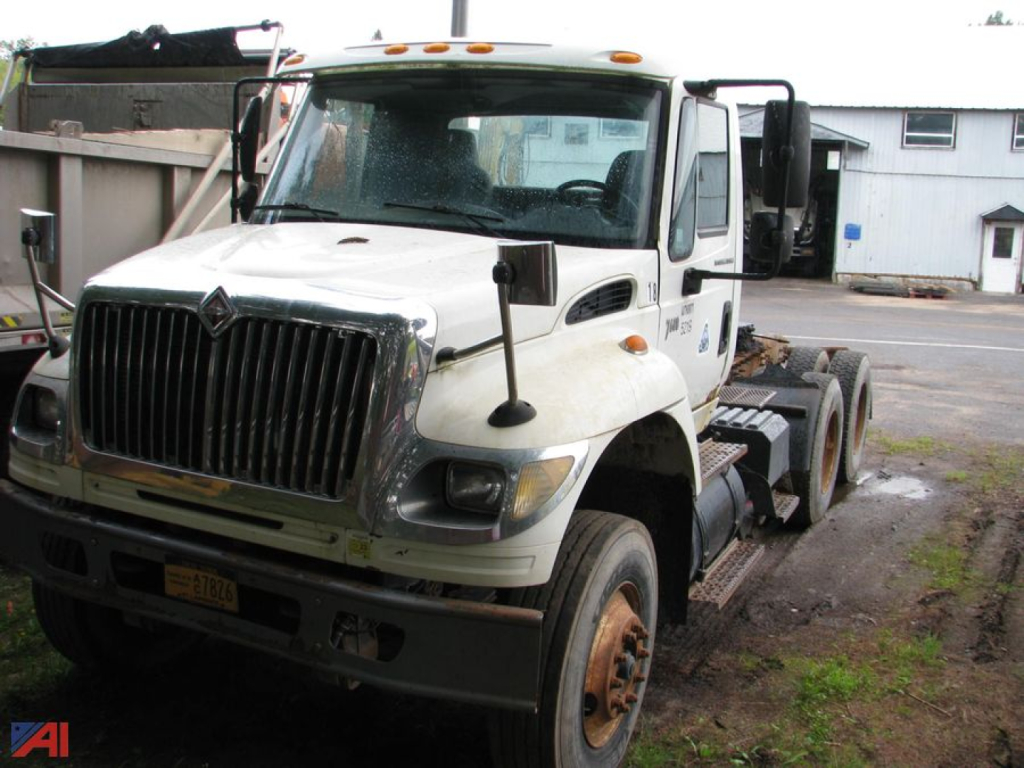
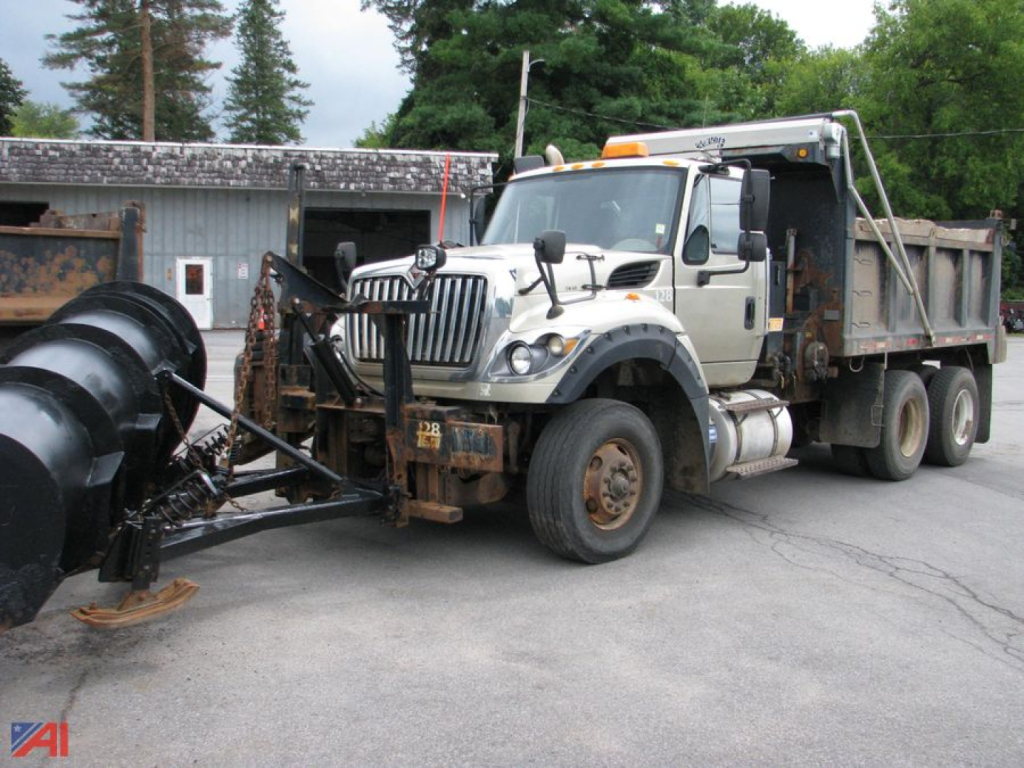
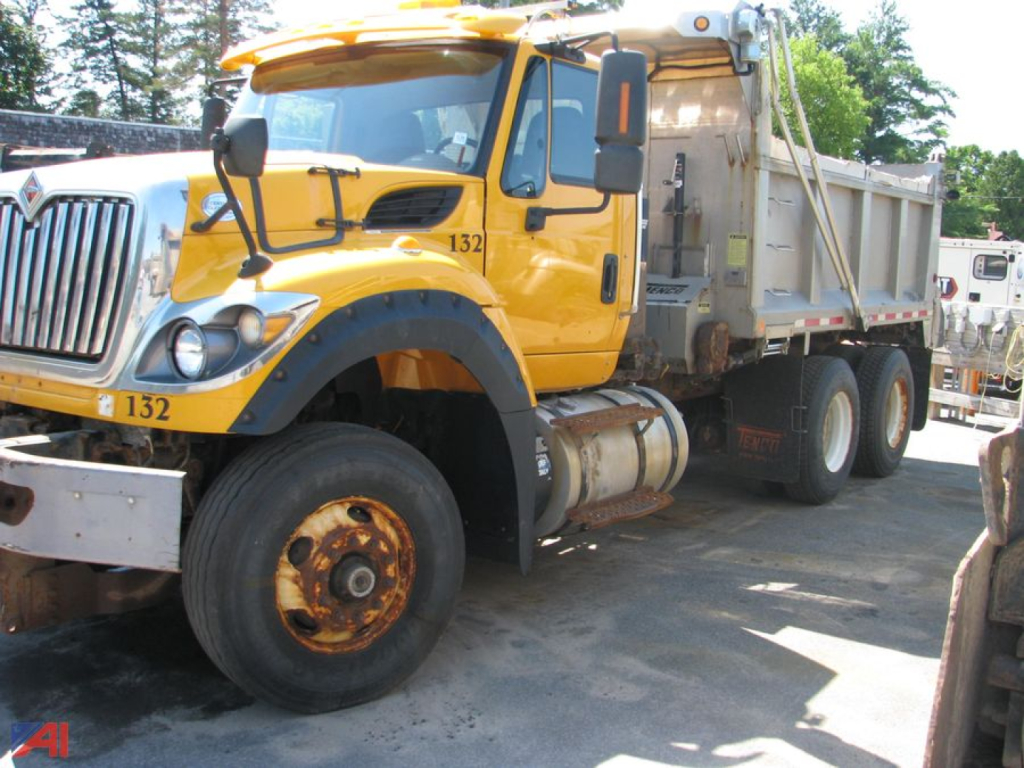
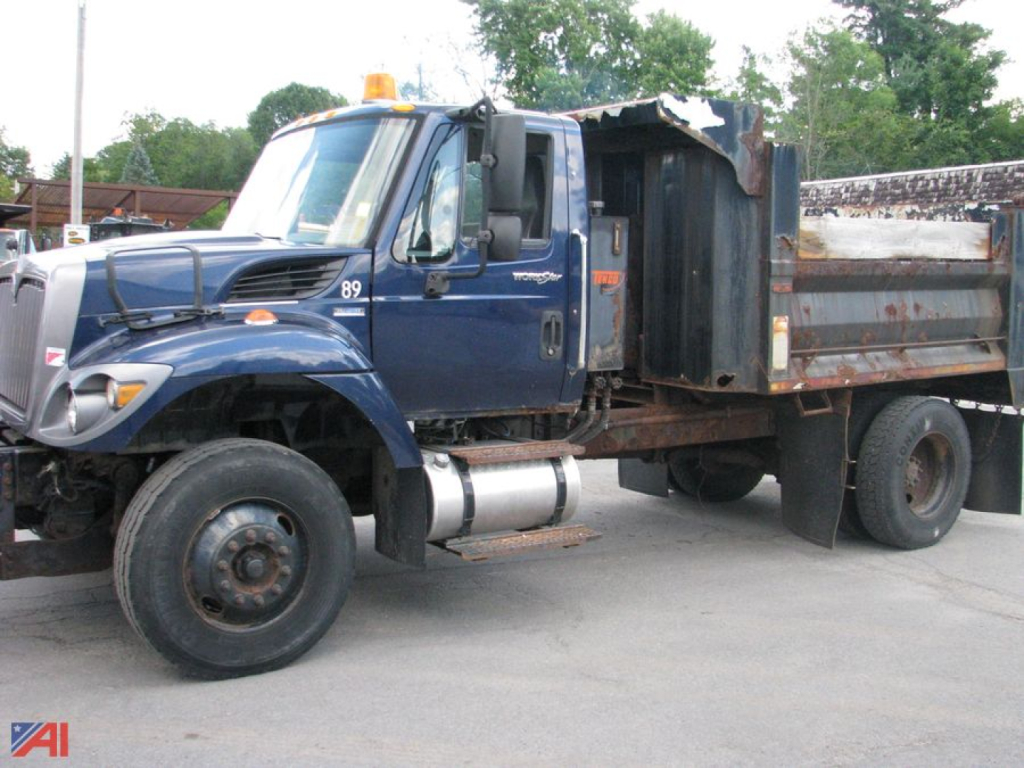
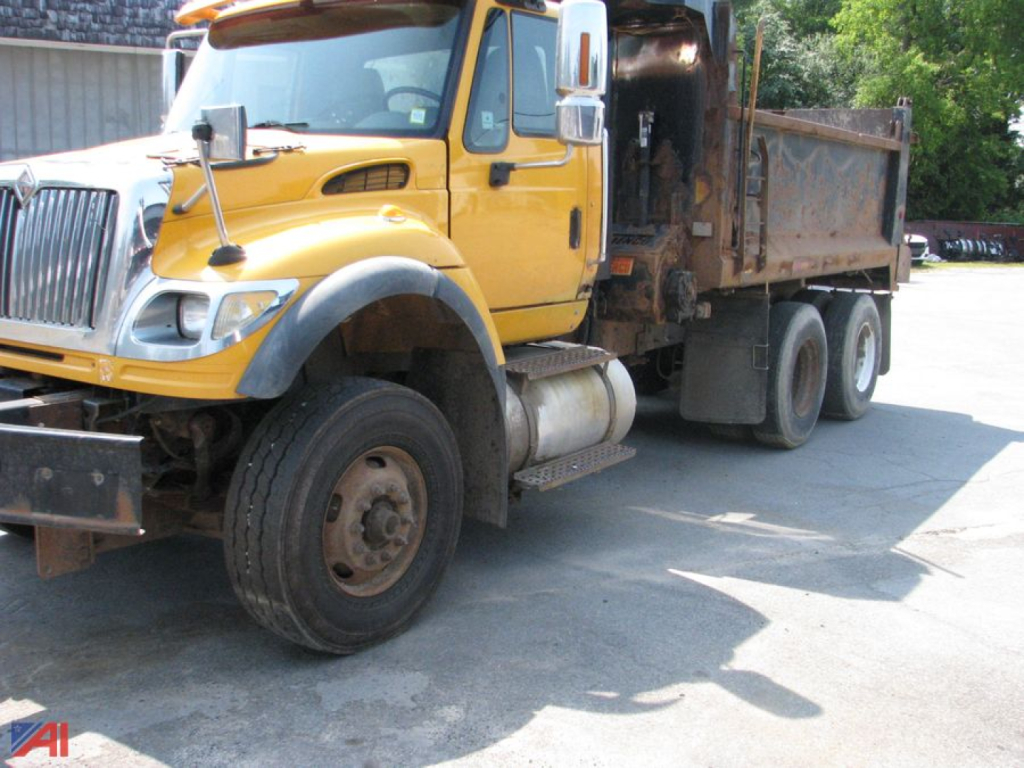
Showing 1 to 28 of 3,557 results
Looking for the easiest place to sell your recycling truck? List it here to reach thousands of buyers.
Recycling Trucks
The body design matters as much as the chassis. A recycling truck may use a rear-load, side-load, front-load, or dumping body depending on how material is collected and discharged. Packer bodies help maximize payload on lighter recyclables by reducing volume, while dump-style bodies are common where loose material, carts, or bulk loads need quick unload cycles. Buyers should look closely at hopper size, compaction system type, ejector or tipper operation, tailgate seals, floor condition, and body corrosion, especially on older municipal units. If the truck handles cans, glass, or mixed recyclables, impact wear and abrasion inside the body are worth inspecting.
Chassis specs should match route density and payload expectations. Common considerations include GVWR, axle ratings, wheelbase, suspension, transmission type, PTO setup, and turning radius. Municipal recycling routes often favor automatic transmissions, good cab visibility, and durable stop-and-go performance. Private operators may prioritize higher payload, lift axle options, or easier access to hydraulic and electrical systems for maintenance. If the truck is fitted with cart tippers, container lifts, or automated arms, confirm cycle function, hydraulic condition, and parts support. Frame condition is important because many recycling trucks spend years in corrosive, high-moisture environments.
A good recycling truck is sized to the route, the material stream, and the unload site. Buyers comparing listings should pay attention to body manufacturer, cubic yard rating, legal payload, loading style, and how the truck was previously used. A former municipal unit may show cosmetic wear but still offer a strong service record, while a private fleet truck may have different body specs aimed at commercial accounts. The best choice comes down to collection method, contamination level in the stream, maintenance history, and how efficiently the truck can move material from pickup point to processing facility.
Also known as: Recycling Collection Truck
Frequently Asked Questions about Recycling Trucks
What types of recycling trucks are most common?
The most common recycling trucks include rear-load packers, automated side-loaders, front-load units for commercial containers, and dump-style recycling trucks with large open or enclosed bodies. Rear-load and side-load configurations are common on municipal and residential routes, while front-load trucks are often used for commercial collection. Dumping bodies are frequently used for bulk recyclable material, transfer work, or operations that need fast unloading without a full packer mechanism.
How many cubic yards does a recycling truck usually hold?
Recycling truck capacity varies by body style and application, but many units fall in the 20 to 40 cubic yard range. Residential collection trucks may be sized for route density and maneuverability, while larger transfer-oriented or dump-style units can reach 40 cubic yards or more. Cubic yard capacity should be considered alongside legal payload, because light mixed recyclables and dense metal or glass streams behave very differently once the truck is loaded.
What should I inspect on a used recycling truck?
Key inspection points include body corrosion, floor wear, sidewall damage, tailgate seal condition, hydraulic leaks, PTO operation, and the function of any compaction or lifting equipment. On the chassis side, pay attention to frame rust, suspension wear, brake condition, transmission performance, and evidence of hard stop-and-go service. Recycling trucks often work in wet, abrasive conditions, so structural condition and maintenance history can matter more than appearance.
Are recycling trucks different from garbage trucks?
Many recycling trucks share chassis and body concepts with refuse trucks, but they are often configured differently for cleaner material streams, lower compaction requirements, or separated collection methods. Some recycling bodies are built to reduce contamination and material damage, especially for cardboard or commingled recyclables. Others use dump bodies or compartmentalized designs that are not typical on standard trash routes. The right configuration depends on the material being collected and the collection method used.