
Lifts - Fork For Sale in New York
Shop fork lifts and forklift equipment for loading, warehousing, and yard work. Compare lift capacity, mast type, fuel system, and tire setup.
Learn moreBrowse Lifts - Fork Trucking Equipment by Make
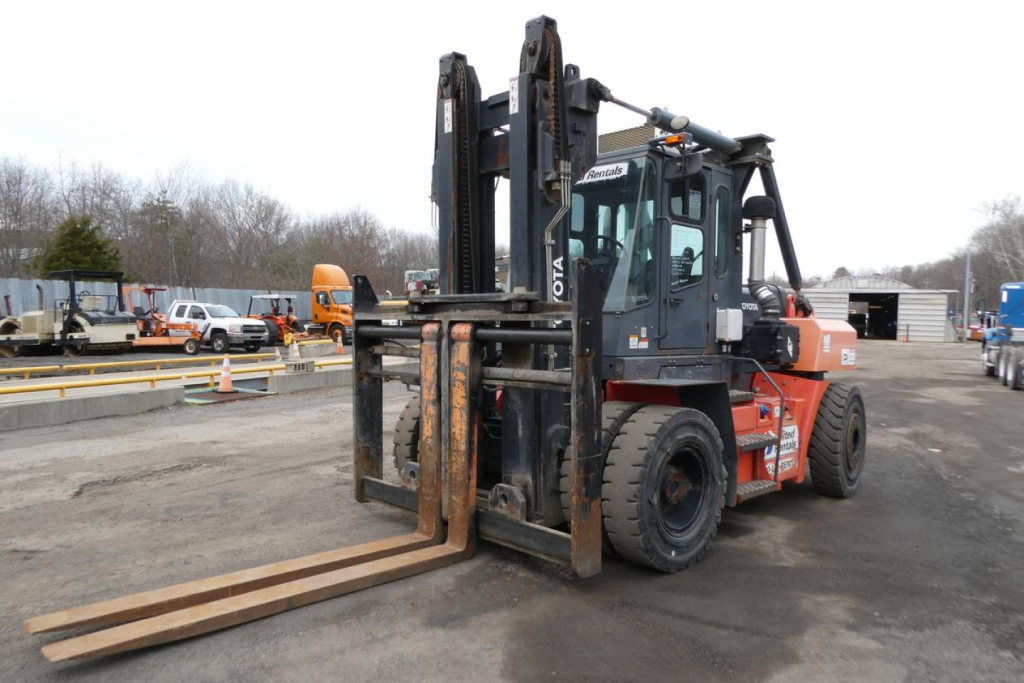
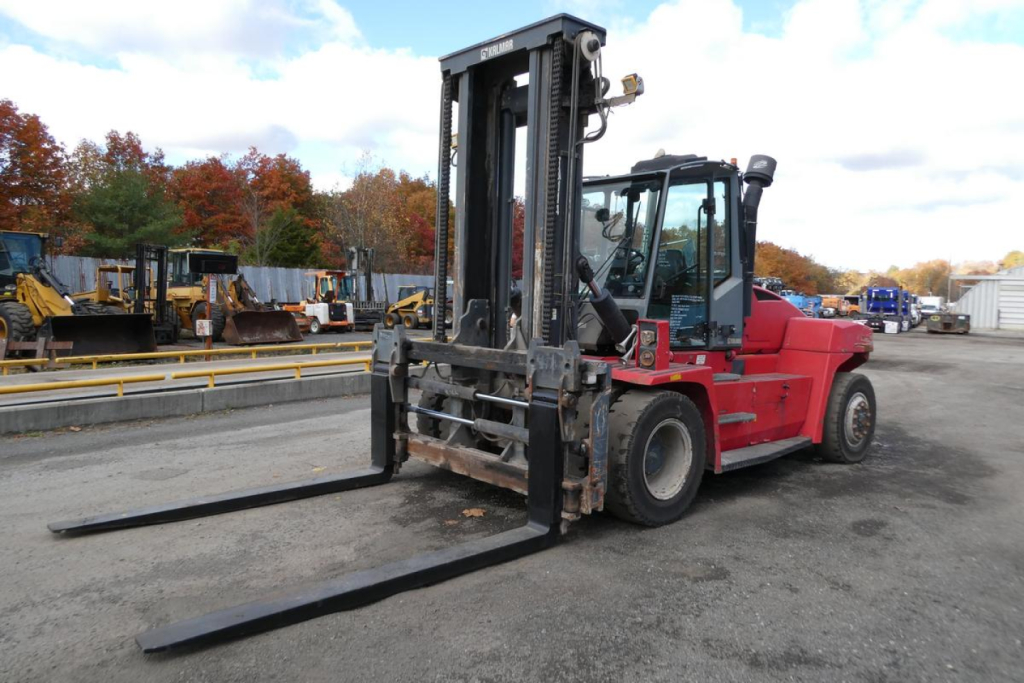
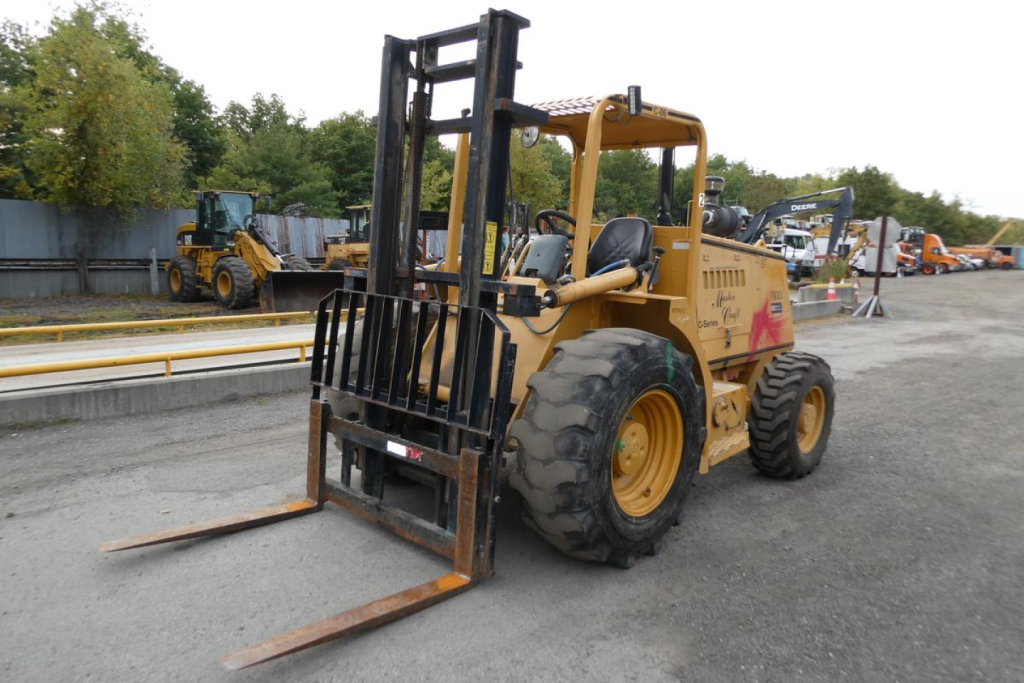
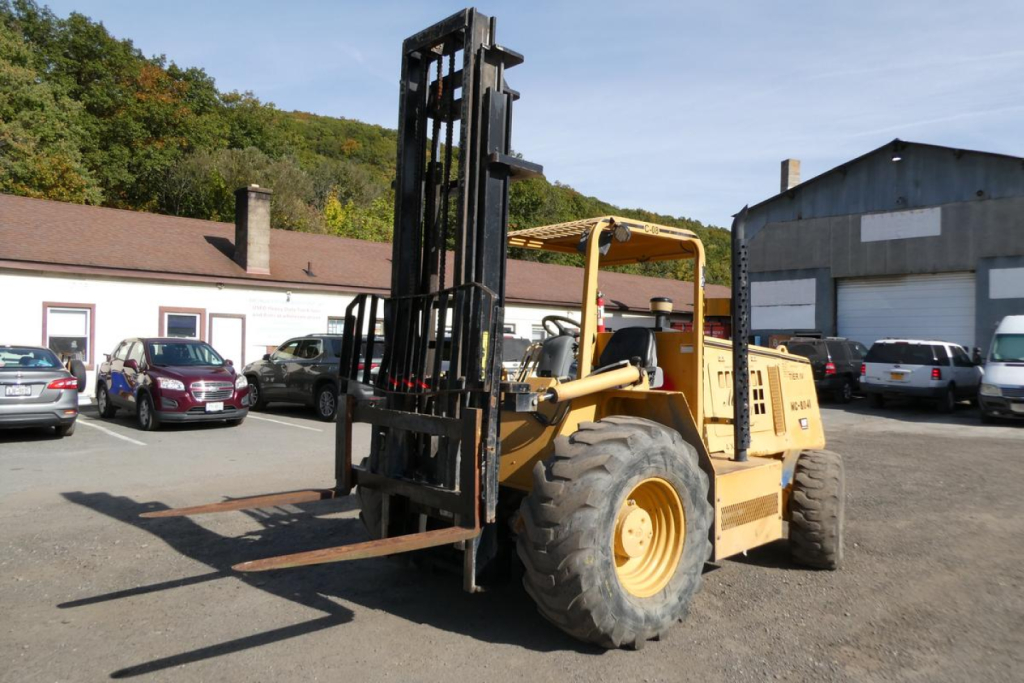
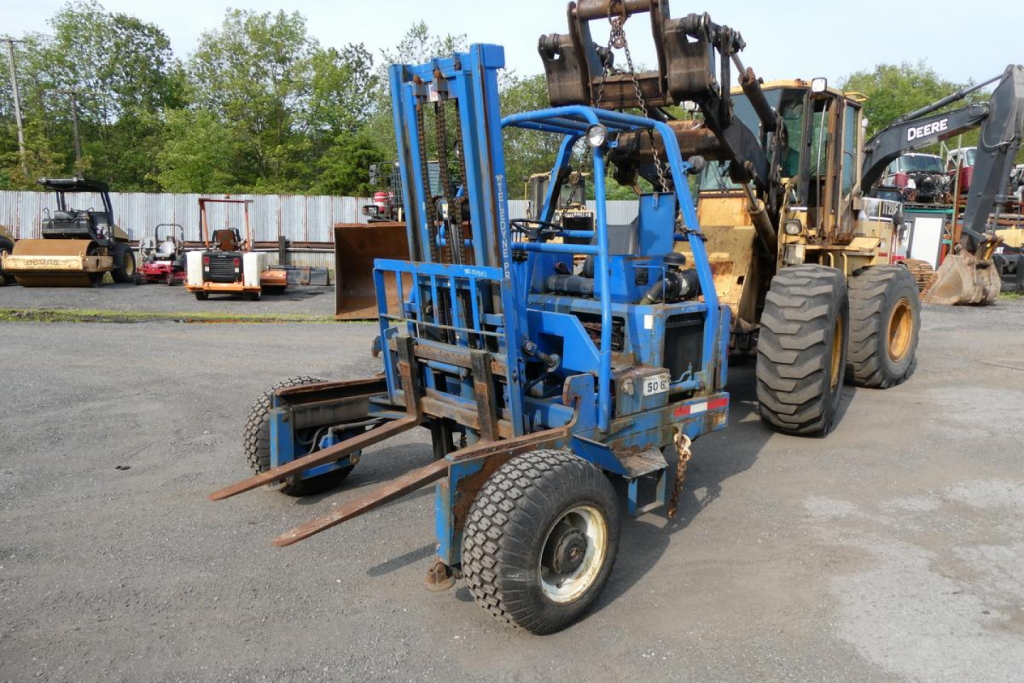
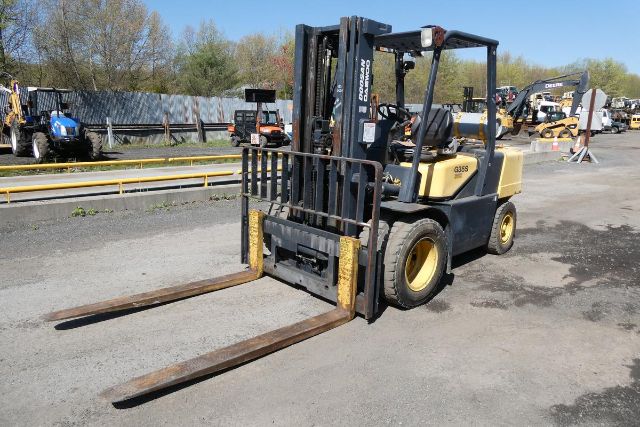
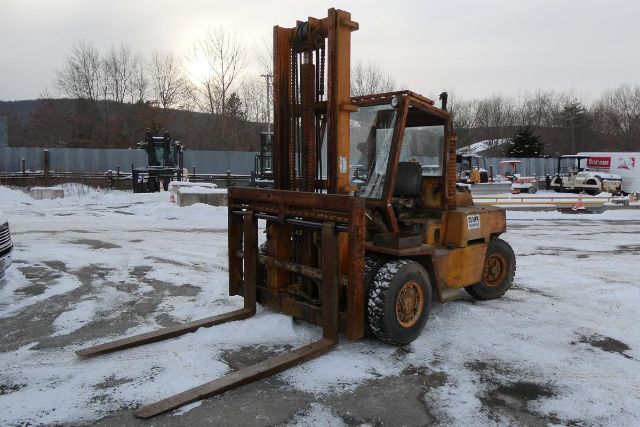
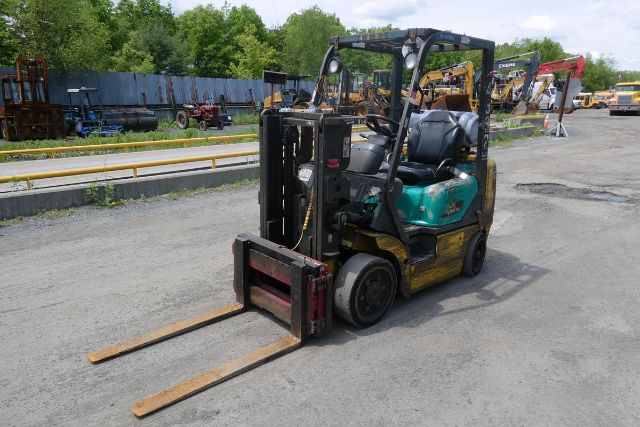
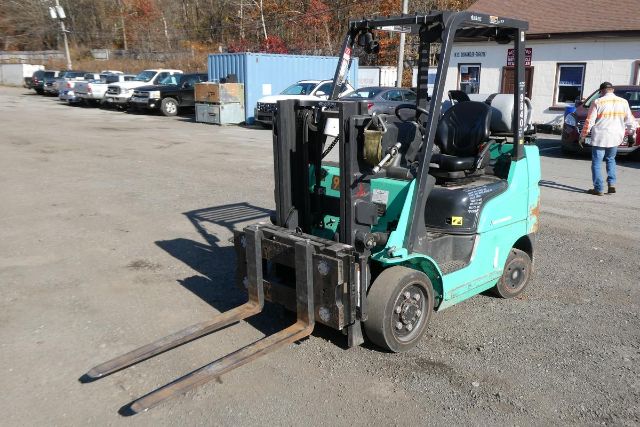
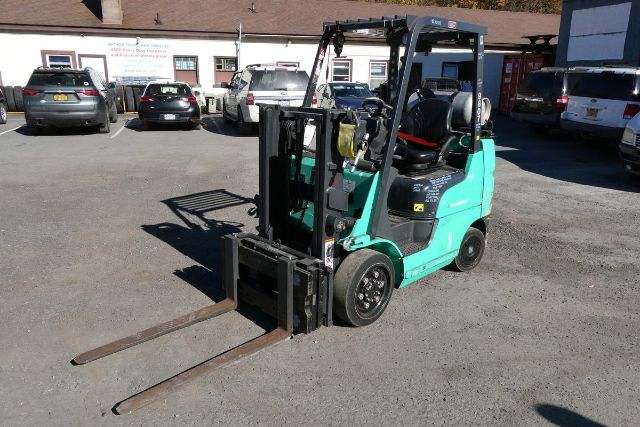
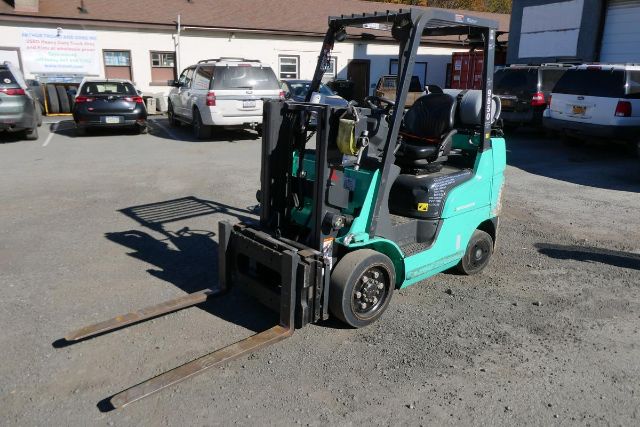
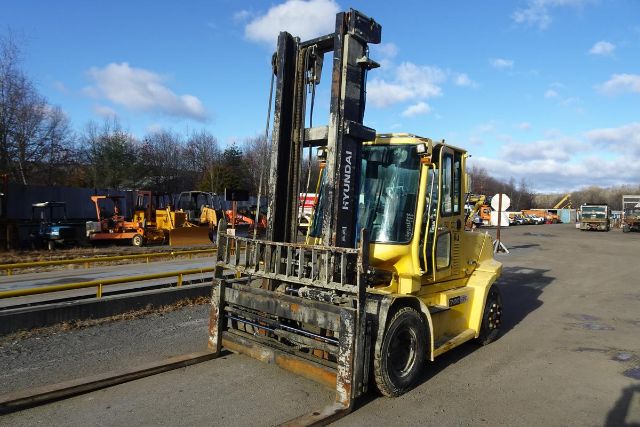
Showing 1 to 12 of 97 results
Have lifts - fork trucking equipment to sell? List it here to reach thousands of buyers.
About Lifts - Fork in New York
Fuel type and tire setup matter as much as rated lift. LP gas forklifts are common in mixed indoor-outdoor service because they refuel quickly and offer clean, consistent operation, while diesel units are better suited for heavier outdoor use and rougher duty cycles. Cushion-tire forklifts are typically chosen for smooth concrete floors and tighter warehouse aisles. Pneumatic or air-filled tire models are a better fit for uneven pavement, yard use, and jobsite conditions. In New York, many fleets need a machine that can handle cold-weather starts, wet loading areas, and seasonal transitions between indoor dock work and outdoor lot work, so mast visibility, traction, and service access should be part of the buying decision.
Mast configuration is another major separator in this equipment class. Two-stage masts are straightforward and common for standard dock and warehouse work, while triple-stage masts are preferred when lower collapsed height and higher lift are both required. Buyers should look closely at collapsed height, maximum fork height, free lift, and overhead clearance, especially in older buildings with low door openings or trailers with limited clearance. Side shift is one of the most useful hydraulic options because it speeds pallet placement and reduces repositioning. A 4th valve adds flexibility for clamps or other attachments. Fork length, fork thickness, carriage class, and tilt range also affect daily usability, especially when handling varied pallet sizes or nonstandard freight.
On used fork trucks, condition matters beyond engine hours alone. Mast channels, chains, rollers, steer axle wear, hydraulic cylinders, transmission response, and brake function often tell more about remaining service life than the meter. Solid tires are common on warehouse units and lower downtime from flats, but tread wear and chunking still affect stability and ride quality. On larger forklifts, pay attention to tire type, rim condition, and axle integrity, especially if the machine has been used in outdoor industrial service. Buyers comparing listings should weigh operating environment, true lift requirement, fuel preference, attachment needs, and physical dimensions before focusing on price alone. The right fork lift should fit your aisle space, dock height, load profile, and maintenance plan as closely as its rated capacity.
Frequently Asked Questions
What capacity fork lift do I need?
The right capacity depends on more than the heaviest pallet you plan to pick. Forklift ratings are based on a specific load center and mast configuration, so longer loads, higher lift heights, side shift attachments, clamps, or extended forks can reduce effective capacity. Many warehouse buyers start in the 4,000 to 5,000 lb range, while heavier manufacturing, lumber, or outdoor applications may need 8,000 lb or larger units. The safest approach is to calculate your heaviest typical load, the load center, the required lift height, and any attachment weight before selecting a truck.
Should I choose propane, diesel, or another fuel type for a fork truck?
LP gas forklifts are widely used because they work well in mixed indoor-outdoor environments, refuel quickly, and are common in warehouse and dock service. Diesel forklifts are usually preferred for heavier-duty outdoor applications, longer run times, and larger pneumatic-tire machines. The best choice comes down to ventilation, duty cycle, fuel availability, emissions requirements, and the type of surface the truck will run on. Buyers operating in enclosed spaces or around food and consumer goods should also review site-specific air quality rules and operating policies.
What is the difference between a dual mast and a triple mast?
A dual mast, also called a two-stage mast, is a simpler design commonly used for standard lift heights and general warehouse work. A triple mast, or three-stage mast, allows a lower collapsed height with greater maximum lift, which is useful when the forklift must clear standard doors while still reaching higher rack positions or trailer stacking requirements. The most important numbers to compare are collapsed height, free lift, and maximum lift height. Those dimensions affect whether the truck can enter your building, work inside trailers, and reach your storage system safely.
Are cushion tires or pneumatic tires better on a forklift?
Cushion tires are best for smooth indoor surfaces such as warehouse concrete and are common on compact forklifts used in tighter aisles. Pneumatic tires, including solid pneumatic and air-filled versions, are better for rough pavement, gravel, yard work, and outdoor applications where more ground clearance and shock absorption are needed. Tire choice affects stability, ride quality, turning behavior, and where the truck can operate efficiently. Buyers should match tire type to the actual floor and yard conditions, not just the machine's price or appearance.
What should I inspect first on a used forklift?
Start with the mast, chains, rollers, and hydraulic system because those components directly affect safe lifting performance. Then check steering response, brake operation, transmission engagement, tire condition, and axle wear. Engine hours are useful, but they do not tell the full story if the truck has had hard dock service, frequent impact damage, or poor maintenance. A good used forklift should have a readable data plate, predictable hydraulic function, even mast movement, and no signs of structural repair in critical load-bearing areas.