
Hyster Lifts - Fork For Sale in New York
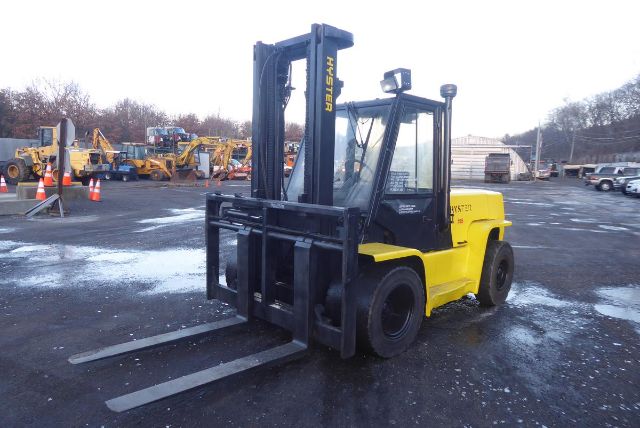
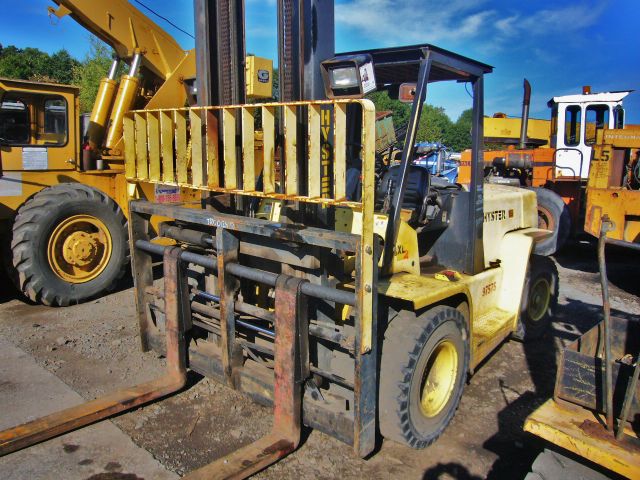
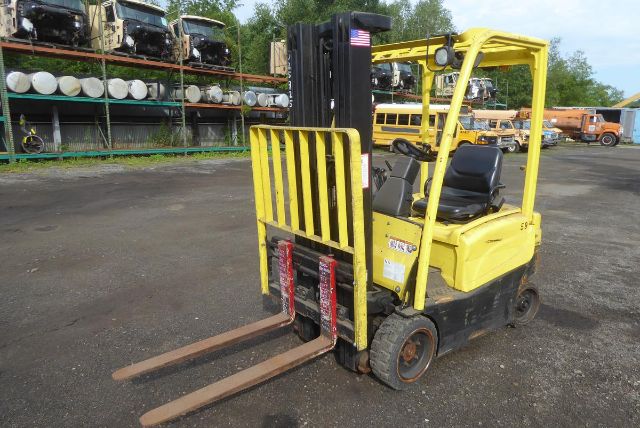
Browse Hyster fork lifts for sale, including electric and diesel forklifts with capacities from warehouse handling to heavy industrial lifting.
Learn more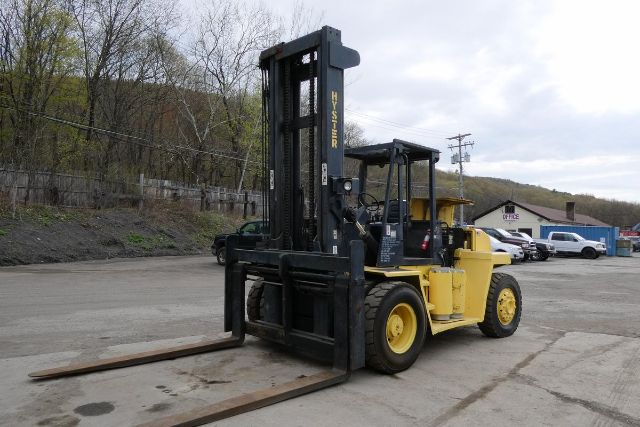
Have hyster lifts - fork trucking equipment to sell? List it here to reach thousands of buyers.
About Hyster Lifts - Fork in New York
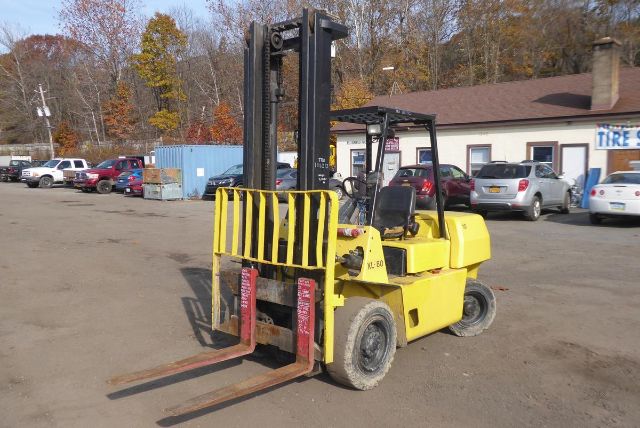
Electric Hyster fork trucks are often chosen for indoor use where low noise, zero tailpipe emissions, and tighter maneuvering are important. Machines in this class commonly use 36V or 48V battery systems, hydrostatic or electric drive, solid cushion tires, and mast setups such as duplex or triplex with side shift. For a buyer, battery age and amp-hour rating are just as important as hour meter readings, especially on older electric units. Internal combustion Hyster forklifts, including diesel and propane models, are more common in outdoor yards and mixed-surface applications. On those machines, engine type, transmission response, brake system, tire style, and cold-start behavior can matter more than paint or cosmetic condition. Pneumatic tires generally suit rougher ground, while solid rubber tires are common in paved industrial environments where puncture resistance is a priority.
Capacity ratings on Hyster lifts need to be read carefully because attachments and fork length can change real-world lifting ability. A truck may be de-rated when equipped with long forks, fork positioners, side shift, or a taller mast, so buyers should confirm the data plate rather than relying only on the headline capacity. Lift height, collapsed mast height, and overall width also deserve close attention, especially in New York operations where older warehouses, low doors, and tight aisle space can limit what will physically fit. Common features in this equipment class include hydraulic side shift, fork positioners, open operator stations or cabs, backtilt in the 5 to 12 degree range, and duplex or triple mast arrangements. On heavier Hyster forklifts, buyers should also watch for brake type, steer axle wear, mast roller condition, carriage play, and hydraulic cylinder seepage under load.
A good Hyster fork truck is usually judged by stability under load, predictable hydraulic performance, parts support, and how well the machine matches the actual load center of the work. Buyers handling palletized freight may prioritize compact dimensions and clean indoor operation, while those moving pipe, plate, or machinery may need longer forks, higher counterweight mass, and attachment-ready hydraulics. Hyster remains a well-known name in this segment because the product range is broad and many models were built for long service lives in demanding environments. The best buying decision usually comes from matching capacity, mast height, tire type, and powertrain to the floor conditions, load shape, and duty cycle instead of shopping by rated pounds alone.
Frequently Asked Questions
What should I look at first when buying a used Hyster fork lift?
Start with the data plate, actual rated capacity at the stated load center, mast type, and power source. After that, inspect hydraulic performance, mast wear, chain condition, carriage play, brake function, steering response, and tire condition. On electric Hyster forklifts, battery voltage, charger compatibility, and battery age are major cost items. On diesel or propane units, cold starts, exhaust quality, transmission engagement, and any signs of hydraulic leaks under load are usually more important than appearance.
Are electric or diesel Hyster forklifts better for my operation?
Electric Hyster forklifts are usually better for indoor warehouse work, food-grade areas, and tighter spaces where emissions and noise matter. Diesel models are better suited for outdoor yards, heavier lifting, and longer run cycles where refueling speed and rougher surface performance matter more. Propane units often fit mixed indoor-outdoor use, but ventilation requirements still apply. The right choice depends on floor surface, shift length, ventilation, and the weight and shape of the loads being handled.
How do mast type and lift height affect forklift selection?
Mast configuration affects both maximum lift height and lowered overall height. A duplex mast is common for general lifting, while a triplex mast is often chosen when higher stacking height is needed without making the collapsed height too tall for doors or trailers. Buyers should compare maximum fork height, lowered mast height, free lift, and visibility through the mast. In buildings with low overhead clearance, the collapsed height can be as important as the lift height itself.
Why does the rated capacity change when a forklift has long forks or attachments?
Forklift capacity is based on a specific load center. When longer forks, side shift, fork positioners, clamps, or other attachments move the load farther forward, the effective load center increases and usable capacity drops. That is why some heavy Hyster forklifts are de-rated even though the base machine is built for more weight. Buyers should verify the current attachment configuration and check the updated capacity on the machine's data plate before using the nominal model rating.
Are Hyster forklifts a good choice for heavy industrial lifting?
Yes, many Hyster models are widely used in steel yards, manufacturing plants, machinery handling, and other heavy-duty environments. Larger Hyster forklifts are available with substantial counterweight, long forks, pneumatic or solid tires, and hydraulic options like side shift and fork positioners. The key is making sure the machine's real capacity, mast strength, and attachment setup match the load dimensions and duty cycle. A forklift selected only by nominal capacity can end up undersized once lift height, fork length, and load center are taken into account.