
Mitsubishi Lifts - Fork For Sale in New York
Shop Mitsubishi fork lifts for sale in New York. Compare LPG warehouse forklifts with 5,000 lb capacity, side shift, solid tires, and compact sizing.
Learn more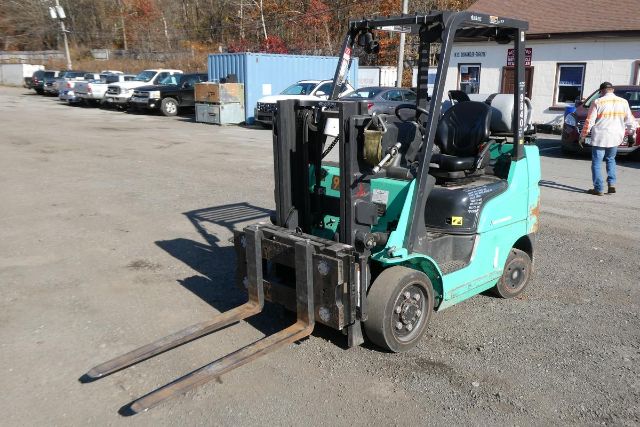
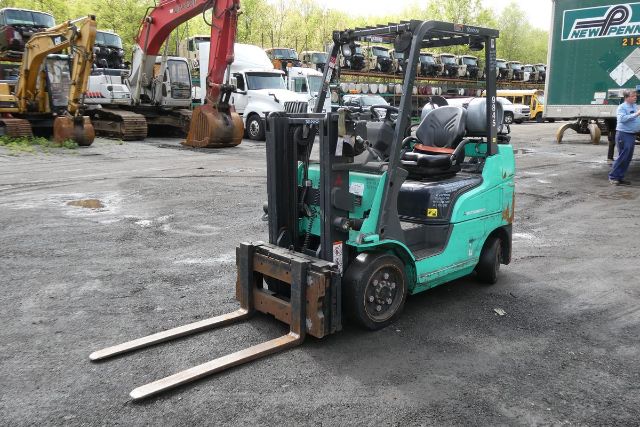
Have mitsubishi lifts - fork trucking equipment to sell? List it here to reach thousands of buyers.
About Mitsubishi Lifts - Fork in New York
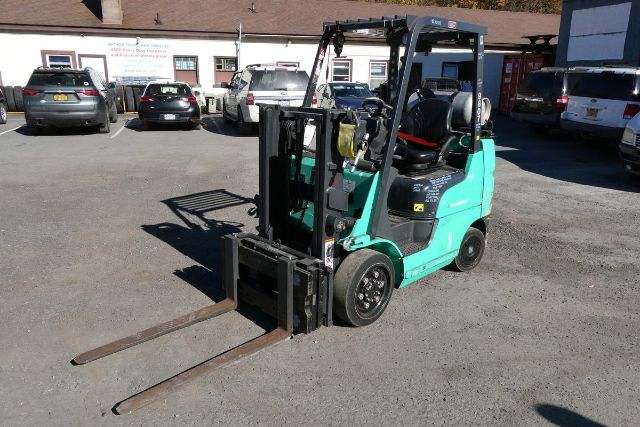
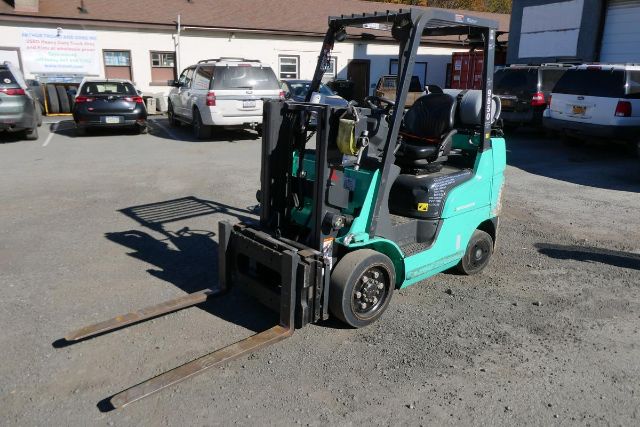
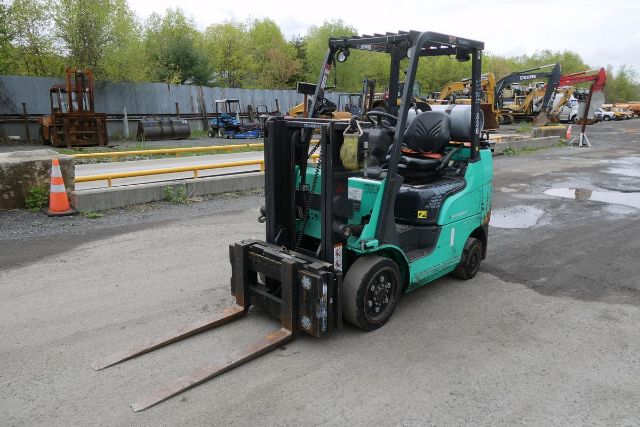
A buyer should pay close attention to mast configuration, lift height, collapsed height, and attachment setup before comparing hours alone. Many Mitsubishi fork trucks in this class are equipped with a dual stage mast, hydraulic side shift, and standard forks around 41 inches long, which is a useful setup for everyday pallet work. Side shift matters because it reduces repositioning time and helps operators square loads inside trailers and against racking. Capacity also needs to be viewed at the actual load center and lift height, not just the headline rating on the data plate. If the job involves heavier product, double-stacked pallets, or frequent rack loading, the right mast and attachment combination matters as much as the base truck.
Powertrain and tire choice should match the operating environment. LPG Mitsubishi forklifts are widely used because they refuel quickly, maintain steady runtime, and perform well in multi-shift applications where battery charging downtime is a problem. Cushion or solid tires are typically preferred on smooth warehouse floors and paved surfaces, while rougher yards may call for a pneumatic-tire machine instead. Buyers in New York should also think about cold-weather starts, indoor ventilation requirements, and the condition of the fuel system, hydraulics, mast rollers, steer axle, and brake components. On a used unit, dry cylinders, smooth lift and tilt operation, and even tire wear usually tell you more than paint condition.
For trucking and freight operations, Mitsubishi fork trucks are often used for dock support, transloading, cross-dock work, and warehouse staging tied to local and regional delivery. Key measurements such as overall width, truck weight, and overhead guard height affect how easily a unit moves through building openings, trailer areas, and older facilities with limited clearance. A well-matched forklift should fit the lane width, handle the heaviest routine load with margin, and give the operator good visibility through the mast. Buyers comparing Mitsubishi lifts should focus on real operating fit: capacity, fuel type, mast specs, side shift, fork length, tire type, service access, and how the machine will perform on the actual floor and freight mix it is expected to handle.
Frequently Asked Questions
What is the most common Mitsubishi fork lift capacity for general warehouse and dock work?
A 5,000 lb capacity Mitsubishi forklift is one of the most common configurations for general warehouse, dock, and freight applications. It handles standard pallets, boxed freight, and many common industrial loads without the size and turning penalties of a larger truck. Buyers should still confirm the rated capacity at the specified load center and lift height on the data plate, because attachments, mast choice, and fork length can reduce usable capacity.
Is an LPG Mitsubishi forklift a good choice for indoor material handling?
An LPG Mitsubishi forklift is a strong fit for many indoor operations because it refuels quickly and supports continuous use without battery charging delays. It is especially practical in multi-shift warehouse and dock environments. The facility still needs proper ventilation and a maintenance program that keeps the fuel system, emissions components, and engine tune in good order. For fully enclosed or highly sensitive indoor environments, some buyers may still prefer electric forklifts.
Why is side shift important on a fork truck?
Side shift allows the forks to move left or right without repositioning the whole truck. That saves time at the dock, improves pallet placement in trailers and racking, and reduces unnecessary steering corrections. It also helps protect product and pallets by giving the operator finer control when entering tight pallet openings or aligning loads in confined spaces.
What should I inspect first on a used Mitsubishi fork lift?
Start with the mast, lift chains, carriage, tilt and lift cylinders, and any signs of hydraulic leaks. Then check hour meter credibility, steer axle play, brake response, tire wear, transmission engagement, and engine cold-start behavior. On LP gas units, inspect the tank bracket, lines, regulator area, and overall fuel system condition. A forklift that lifts smoothly, steers tightly, and shows dry cylinders and even wear is usually a better indicator of value than appearance alone.
How do mast height and collapsed height affect forklift selection?
Lift height determines whether the truck can place loads at the rack level you need, while collapsed height determines whether it can pass through doors, enter trailers, or operate under low clearances. Many buyers focus only on maximum lift, but collapsed height can be just as important in older warehouses and dock facilities. The right forklift must clear the building and trailer environment before its lift capacity becomes useful.