
Master Craft Lifts - Fork For Sale in New York
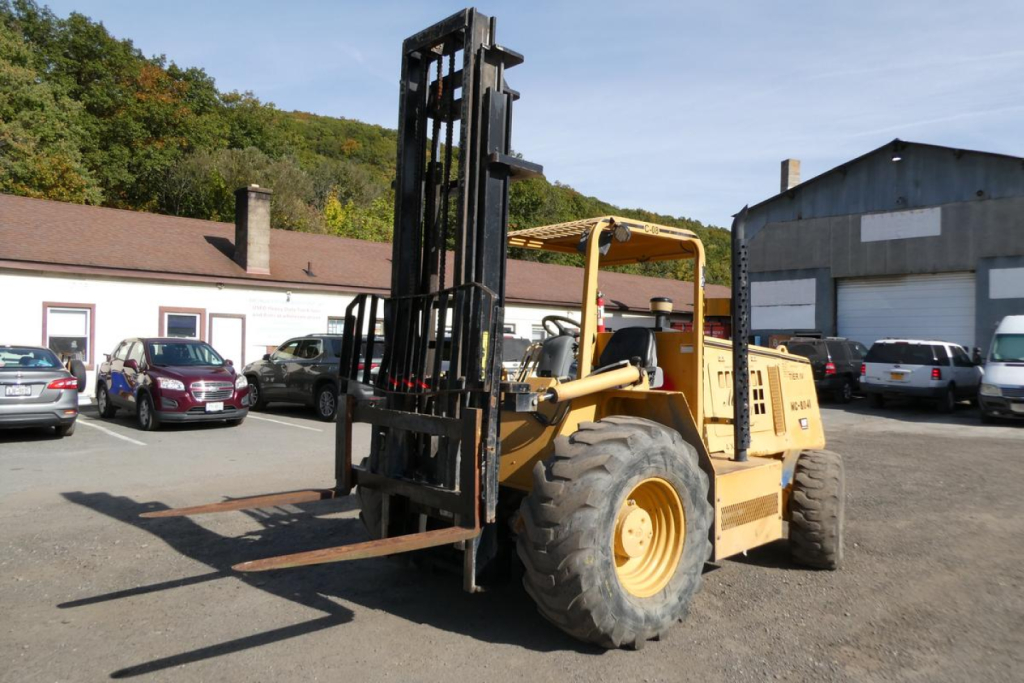
Browse Master Craft fork lifts for sale, including rough terrain forklifts with 6,000 to 8,000 lb capacity, diesel power, 4WD, and side shift.
Learn more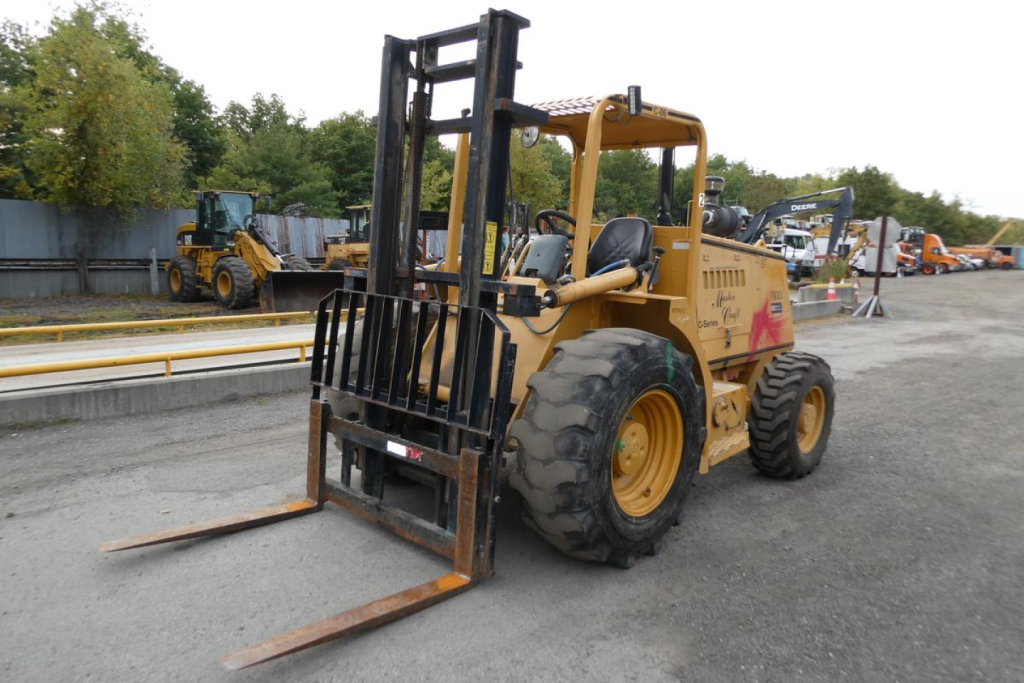
Have master craft lifts - fork trucking equipment to sell? List it here to reach thousands of buyers.
About Master Craft Lifts - Fork in New York
For most buyers, the first real decision is 6,000 lb versus 8,000 lb capacity, then mast style. A dual mast can be a practical fit when you want straightforward lifting performance with a lower collapsed height, while a tri-mast is often chosen for higher loading height in tighter storage or loading environments. Hydraulic side shift is an important feature in this category because it speeds up pallet alignment and reduces repositioning time. Fork dimensions, carriage setup, and backtilt also matter, especially if the machine will handle block, bagged material, long pallets, or uneven outdoor loads.
Master Craft rough terrain fork trucks in this size range are often diesel-powered and equipped with powershift transmissions, 4WD, power steering, and pneumatic tires sized for dirt, gravel, and mixed yard surfaces. Engines such as the Caterpillar C4.4 are common in the market and are valued for broad service familiarity and solid low-end torque under load. Buyers in New York should pay close attention to cold-weather starting, tire condition, steering and kingpin wear, mast and carriage slack, and the condition of lift and tilt cylinders. On used machines, pin and bushing wear, dry versus leaking hydraulics, and hour meter readings can tell you a lot about how the forklift was worked.
A good buying comparison should include operating weight, overall width, cab height, fork length, and transport considerations in addition to lift specs. An open cab may suit seasonal yard use, but enclosed operator stations can be a better fit for colder climates and longer shifts. If the forklift will be moved between jobs, verify trailer compatibility and securement points, not just machine weight. Rough terrain forklifts are also called fork trucks or all-terrain forklifts, and the best choice usually comes down to matching lift height, capacity, site conditions, and serviceability to the work you do every day.
Frequently Asked Questions
What is the difference between a rough terrain forklift and a standard warehouse forklift?
A rough terrain forklift is built for outdoor use on uneven ground, gravel, dirt, and jobsite surfaces. It typically has larger pneumatic tires, higher ground clearance, heavier construction, and 4WD or similar traction-oriented driveline features. A standard warehouse forklift is designed mainly for smooth concrete floors and indoor pallet handling, so it usually cannot match the stability, traction, or durability needed on a construction site or yard.
How do I choose between a 6,000 lb and 8,000 lb fork lift?
Start with your heaviest routine load, then account for the load center, fork length, and the height at which the load must be placed. A machine rated at 8,000 lb gives more margin for dense material, longer pallets, and higher lifts, but it also adds machine weight and may affect transport and maneuverability. A 6,000 lb unit can be the better fit when your loads are lighter, your yard is tighter, and lower operating weight is an advantage.
Why does mast type matter on a fork truck?
Mast type affects maximum lift height, collapsed height, forward visibility, and overall suitability for your work area. A dual mast is often simpler and may offer a lower closed profile, while a tri-mast usually provides more lift height without making the machine too tall for transport or storage. Buyers should compare loading height, mast height when lowered, and stability with the kinds of loads they handle most often.
What should I inspect first on a used Master Craft fork lift?
Focus first on the mast, carriage, forks, tires, steering components, and hydraulic system. Look for fork heel wear, carriage looseness, chain condition, cylinder leaks, play in pins and bushings, and uneven tire wear. Engine performance, transmission engagement, brake response, and 4WD operation also deserve close attention because rough terrain forklifts often work in high-load, stop-and-go conditions that can expose drivetrain wear.
Are diesel rough terrain forklifts a good fit for New York operations?
Diesel rough terrain forklifts are a strong fit for many New York yards, construction sites, and outdoor material handling applications because they offer good torque, long run time, and durable performance under load. The main considerations are emissions compliance, cold-weather starting, and whether the machine has the cab setup needed for winter operation. Buyers should also consider local service access for the engine and transmission platform, since uptime matters as much as lift capacity.