
Taylor Lifts - Fork For Sale in New York
Shop Taylor fork lifts and heavy-duty forklift equipment for material handling, yard work, mill service, and industrial lifting jobs.
Learn more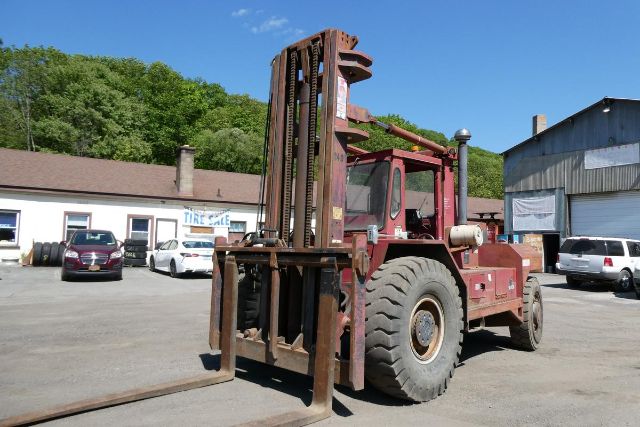
Have taylor lifts - fork trucking equipment to sell? List it here to reach thousands of buyers.
About Taylor Lifts - Fork in New York
Capacity is usually the first buying decision. Taylor fork lifts can range from medium-duty units into very heavy-capacity machines, and a buyer should match the truck to the real load center, fork length, attachment weight, and lift height instead of shopping by headline capacity alone. A 20,000-pound-plus truck may be the right fit for steel bundles, pipe, rigging components, or loaded containers in certain applications, but only if the mast, carriage, hydraulics, and counterweight are sized for that exact work. Common specs worth checking include mast lowered height, maximum fork height, side shift, fork dimensions, tire type, brake system, transmission configuration, engine family, and total operating weight. On older Taylor units, buyers also pay close attention to cylinder seepage, steer axle wear, mast chain condition, and parts support for the specific serial range.
For New York buyers, operating conditions often put extra focus on cold starts, brake performance, tire condition, and visibility in tight outdoor yards. Diesel-powered Taylor forklifts are common in this class, especially on larger machines where low-end torque and simple mechanical drivetrains are valued. Air-filled pneumatic tires are typical on yard and industrial units because they handle uneven ground better than cushion tires. Enclosed or partially open cabs can also matter depending on winter exposure, operator comfort, and the kind of stop-and-go loading cycle the machine sees every day.
A Taylor fork truck is usually purchased for durability and raw handling ability, not for light-duty warehouse work. Buyers comparing listings should look beyond age and hours and focus on service history, mast and carriage wear, hydraulic responsiveness, brake feel, transmission engagement, and the condition of forks, pins, and tires. If the application involves long forks, high load centers, or heavy outdoor use, a well-matched Taylor lift can be a very effective machine for moving oversized materials with confidence and control.
Frequently Asked Questions
What are Taylor fork lifts commonly used for?
Taylor fork lifts are commonly used in heavy material handling environments such as steel yards, lumber operations, ports, industrial plants, machinery moving, and outdoor storage facilities. They are designed for larger loads and harsher surfaces than a typical warehouse forklift, which makes them a strong fit for bulky, dense, or awkward freight that requires higher capacity and a more robust chassis.
What should I check first when buying a used Taylor forklift?
Start with actual capacity requirements at the intended load center, then verify mast height, fork length, attachment setup, and machine weight. After that, inspect mast channels, carriage rollers, lift chains, hydraulic cylinders, steer components, transmission operation, brake performance, and tire condition. On older units, engine condition and parts availability for the exact model and serial range are especially important.
Are Taylor forklifts good for outdoor yard work?
Yes. Many Taylor forklifts are built specifically for outdoor industrial service and perform well on rough pavement, gravel, and mixed yard conditions. Pneumatic tires, heavy frames, and high-capacity hydraulic systems make them well suited for loading, unloading, and staging materials outside, provided the machine is matched to the terrain, load size, and duty cycle.
How important is fork length on a high-capacity Taylor lift?
Fork length matters because it affects load support, load center, maneuverability, and usable capacity. Longer forks can be necessary for steel, lumber packs, or oversized industrial freight, but they can also change how the machine handles and may reduce effective lifting performance if the load center moves out. Buyers should confirm that the fork dimensions match the application and that the carriage and mast are rated accordingly.
Do older Taylor forklifts still make sense for buyers?
They can, especially in lower-hour industrial service where the machine has been maintained and the application does not require modern emissions systems or specialized electronics. Older Taylor units often appeal to buyers who want straightforward diesel powertrains, heavy steel construction, and simpler serviceability. The key is condition, not just age, with special attention to hydraulic wear, driveline operation, and structural integrity.