
Kalmar Lifts - Fork For Sale in New York
Browse Kalmar fork lifts for heavy material handling, with diesel power, high-capacity masts, and durable pneumatic tire forklift designs.
Learn more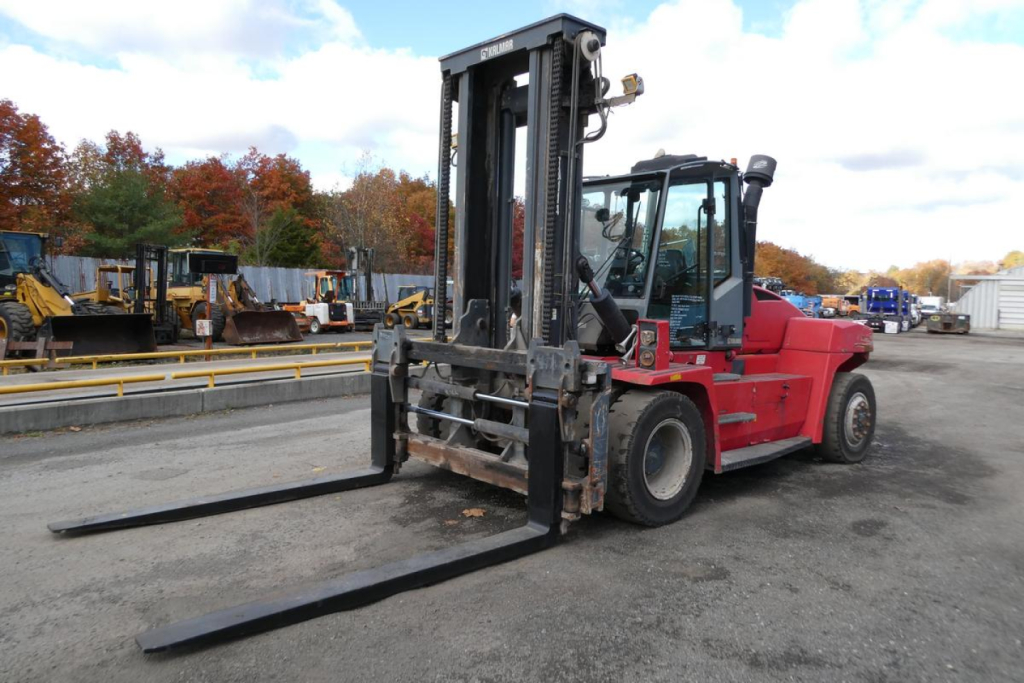
Have kalmar lifts - fork trucking equipment to sell? List it here to reach thousands of buyers.
About Kalmar Lifts - Fork in New York
A typical Kalmar heavy-capacity fork lift may feature a diesel engine, automatic transmission, enclosed cab, and a duplex or double mast setup with hydraulic side shift and fork positioners. Those features are important if the machine will handle varying load widths such as pipe, lumber packs, steel bundles, machinery, or loaded containers in specialized applications. Fork length, fork thickness, and carriage class also deserve close attention because they directly affect load stability and what attachments can be used. Buyers should also confirm lift height, lowered mast height, overhead clearance, and loading height if the unit will work around trailers, docks, sheds, or rail-side structures.
For outdoor fleet use, Kalmar forklifts are often equipped with large solid or pneumatic-style tires and robust cooling systems to handle long idle time, repeated heavy picks, and rough yard conditions. Serviceability is a major buying factor on used units. Hour meter readings, hydraulic condition, mast wear, chain and roller wear, steer axle condition, transmission response, and brake performance tell you more than cosmetics. On higher-hour machines, pay close attention to leaks at lift cylinders and hose connections, carriage movement under load, and how smoothly the mast raises, lowers, and tilts. Cab condition also matters more than many buyers expect, especially in northern states where heat, defrost, and glass condition affect year-round productivity.
Kalmar lifts appeal to buyers who need a true heavy-material handler rather than a light industrial fork truck. They are commonly used for loading flatbeds, moving oversized freight, supporting yard operations, and handling dense products that require substantial counterweight and chassis strength. Also known simply as heavy-capacity forklifts or large pneumatic tire forklifts, these machines should be matched to the actual load center, not just the headline capacity rating. A careful review of rated capacity at the intended load center, attachment setup, operating surface, and transport dimensions will usually separate the right machine from an expensive mismatch.
Frequently Asked Questions
What are Kalmar fork lifts typically used for?
Kalmar fork lifts are typically used in heavy outdoor material handling applications such as lumber yards, steel service centers, ports, industrial plants, freight terminals, and equipment yards. They are designed for dense or oversized loads that exceed the capabilities of standard warehouse forklifts. Common tasks include loading trailers, moving bundled materials, handling machinery, and supporting yard logistics where high lift capacity and rugged chassis design are required.
What should I check first when buying a used Kalmar forklift?
Start with rated capacity, mast type, lift height, and the actual attachment setup, including fork length and hydraulic functions such as side shift or fork positioners. After that, inspect hours, engine performance, transmission operation, hydraulic leaks, mast and carriage wear, steering response, and brake condition. A used heavy-capacity forklift can look solid and still need expensive hydraulic or mast work, so functional performance under load is more important than appearance alone.
Why does load center matter on a heavy-capacity forklift?
Load center determines how far the weight sits forward from the fork face, and that changes the true lifting ability of the machine. A forklift may be rated for a high capacity at a specific load center, but that number can drop significantly when handling longer or bulkier freight. Buyers moving pipe, lumber, or fabricated steel should verify the capacity chart against their real load dimensions, not just the published maximum rating.
Are Kalmar forklifts a good fit for outdoor yard use in New York?
Kalmar forklifts are often a strong fit for outdoor yard work in New York because many are built with enclosed cabs, diesel power, and durable tire setups suited for rough pavement, gravel, and mixed surface conditions. Cold-weather operation makes cab heat, defrost performance, battery condition, and hydraulic responsiveness especially important. Buyers in northern climates should also inspect glass, seals, lighting, and starting performance after the machine has sat cold.
What features improve productivity on a Kalmar fork truck?
Hydraulic side shift, fork positioners, enclosed cabs, automatic transmissions, and the right mast configuration can significantly improve throughput and operator control. Side shift and fork positioners reduce time spent lining up uneven or varying-width loads. An enclosed cab supports longer shifts in poor weather, while a properly matched mast height helps the truck work efficiently around trailers, loading areas, and low-clearance structures.