
Caterpillar Lifts - Fork For Sale in New York
Browse Caterpillar fork lifts for sale, including diesel and propane models with varying lift capacities, mast setups, and warehouse or yard use.
Learn more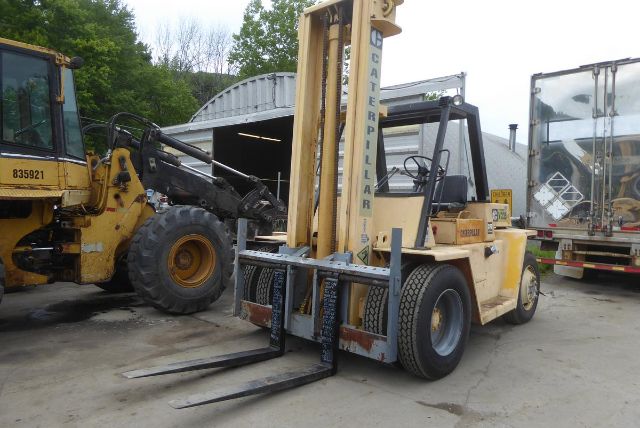
Have caterpillar lifts - fork trucking equipment to sell? List it here to reach thousands of buyers.
About Caterpillar Lifts - Fork in New York
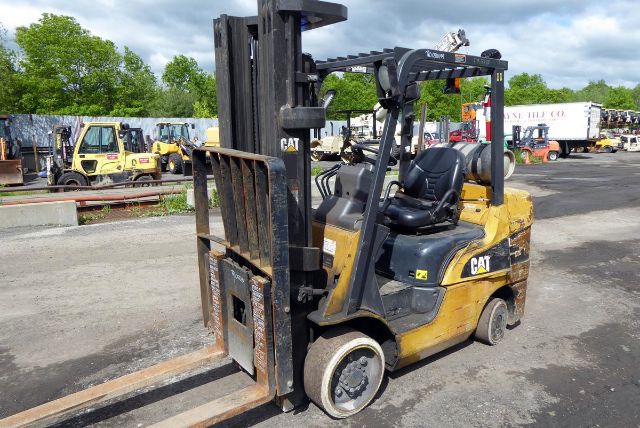
Capacity is one of the first decisions that matters. Smaller Caterpillar fork trucks are often found in the 5,000 to 7,000 lb class for dock and warehouse work, while larger units can handle significantly heavier loads in outdoor or industrial settings. Fuel type also affects the right fit. Propane models are common for indoor and mixed-use operations because they refuel quickly and run clean, while diesel-powered Caterpillar forklifts are often preferred for outdoor yards, pipe handling, steel, lumber, and heavier-duty lifting. Mast type is just as important as rated capacity. Many buyers specifically look for duplex or triple mast setups, side shift, back tilt, fork length, and collapsed mast height to make sure the machine will clear doors while still providing enough lift height for racking or loading.
Tire and chassis setup can tell you a lot about where a Cat fork lift will perform best. Cushion tires are typically chosen for smooth concrete floors and tighter turning in warehouses, while pneumatic tires or air-filled tires are better suited for asphalt, gravel, and uneven yard conditions. On larger forklifts, machine weight, overall width, and turning radius should be reviewed closely if the lift will work in confined areas or alongside trailers. Operators and fleet buyers also tend to check carriage condition, mast wear, hydraulic cylinder dryness, steer axle response, transmission engagement, and hour meter readings, especially on older units where actual usage may matter more than model year.
For buyers comparing Caterpillar lifts in New York, application matters as much as specification. Cold-weather starts, outdoor storage, and mixed indoor-outdoor duty can influence the best choice between propane and diesel. It also helps to compare open operator stations versus cab-equipped units if the lift will spend long hours outside. A well-matched Caterpillar fork truck should be selected around actual load weight, load center, lift height, surface conditions, and daily duty cycle, not just the nameplate capacity. That approach usually leads to better uptime, safer handling, and lower operating cost over the life of the machine.
Frequently Asked Questions
What should I check first when buying a used Caterpillar fork lift?
Start with rated capacity, actual lift height, mast type, and the operating environment the machine is built for. After that, inspect the mast rails, chains, carriage, hydraulic cylinders, transmission response, steer axle, and tires. On used Caterpillar forklifts, a clean-running engine or fuel system and smooth hydraulic function often matter more than appearance. Hour meter readings are helpful, but overall wear, maintenance history, and how the machine performs under load are usually better indicators of condition.
Are diesel or propane Caterpillar forklifts better?
It depends on the jobsite and duty cycle. Propane Caterpillar fork trucks are often preferred for indoor or mixed-use applications because they refuel quickly and are commonly used around warehouses and docks. Diesel units are typically better for outdoor service, heavier loads, and rougher ground conditions. If the machine will spend most of its time in a yard, lumber operation, or industrial setting, diesel may be the stronger fit. If it will run inside buildings or move between trailers and warehouse aisles, propane is often the more practical choice.
What is the difference between cushion-tire and pneumatic-tire Caterpillar forklifts?
Cushion-tire forklifts are designed mainly for smooth indoor surfaces like warehouse concrete. They usually offer a tighter turning radius and a lower profile, which helps in narrow aisles and dock areas. Pneumatic-tire forklifts are built for outdoor use and uneven surfaces such as asphalt, gravel, and rough yards. When comparing Caterpillar fork lifts, tire type is a major factor because it directly affects ride quality, traction, stability, and where the machine can work effectively.
Why is mast configuration so important on a fork lift?
Mast configuration affects both the maximum lift height and the lowered height of the machine. A triple mast may allow higher stacking or loading while still collapsing low enough to pass through doors or trailers. Duplex and triple mast designs also influence visibility and the type of work the lift is best suited for. Buyers should match mast setup to rack height, trailer loading needs, and clearance restrictions, rather than focusing only on the forklift's advertised capacity.
How do I know what lift capacity I really need?
Use the heaviest load you plan to handle, then account for load center, attachment weight, fork length, and lift height. A forklift's rated capacity can drop when the load center increases or when clamps, side shifts, or other attachments are installed. That means a machine rated for one number on paper may safely handle less in actual operation. The best practice is to size a Caterpillar fork truck around real-world material dimensions and working conditions, with enough margin for safe and efficient handling.