
Used Caterpillar Wheel Loaders For Sale in New York
Shop used Caterpillar wheel loaders in New York. Compare Cat loader sizes, horsepower, bucket setups, tire options, and attachment features.
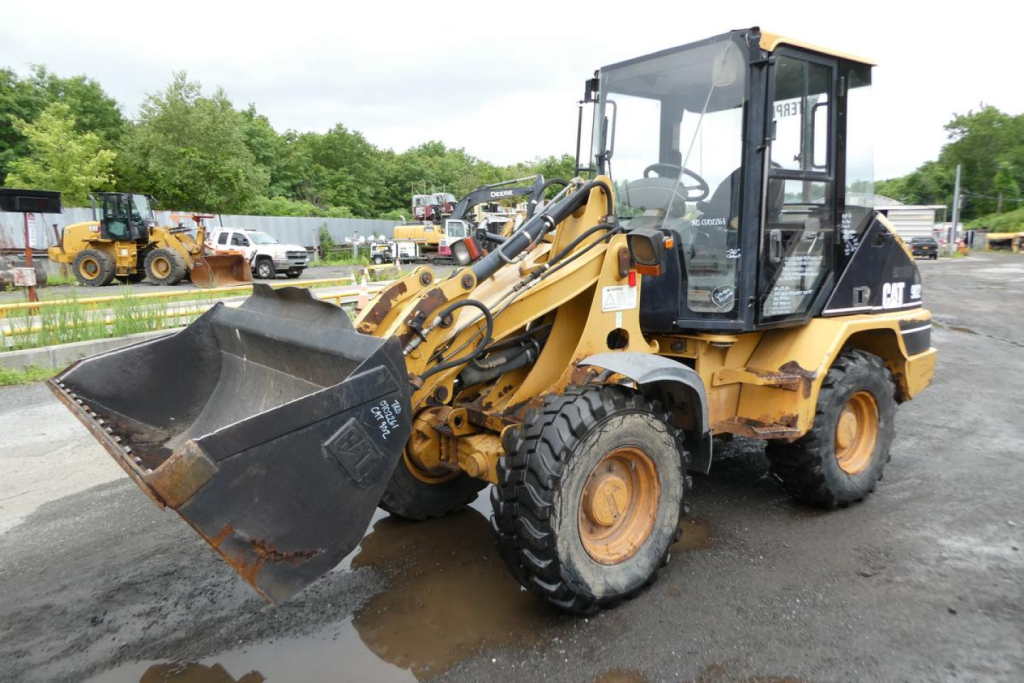
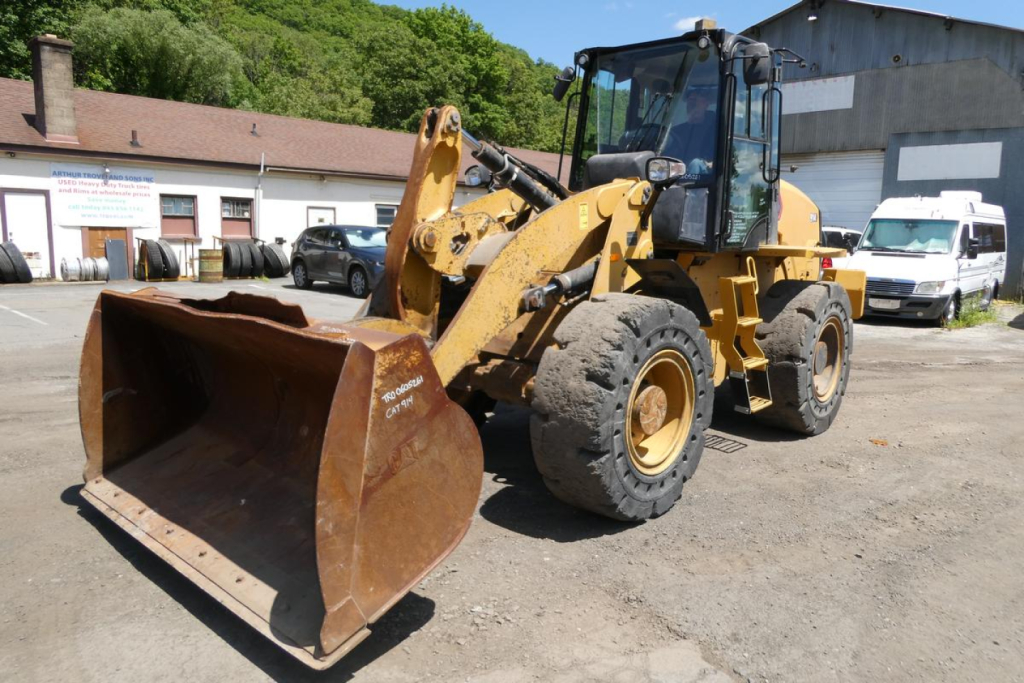
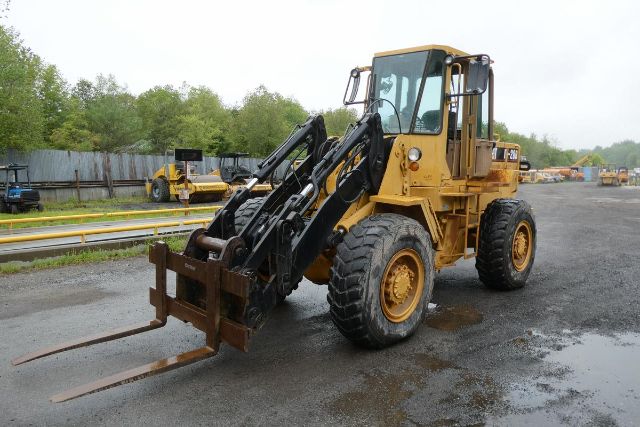
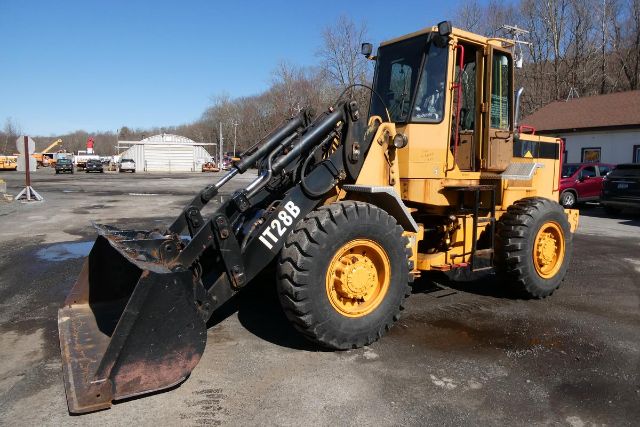
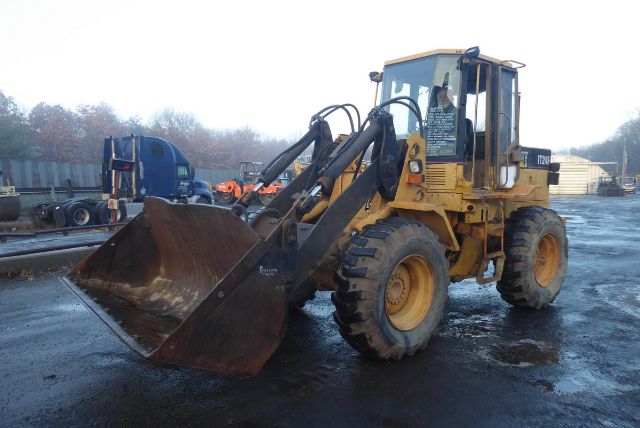
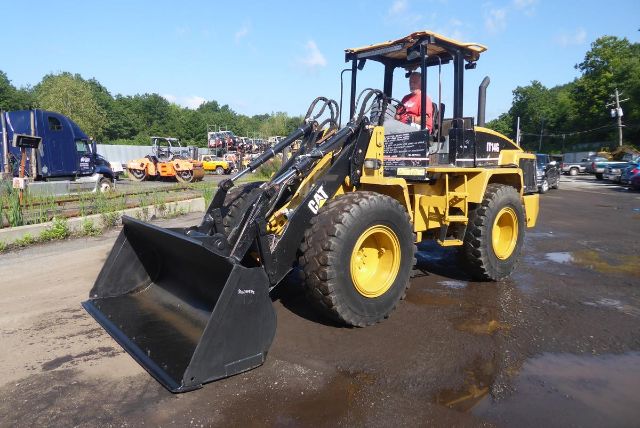
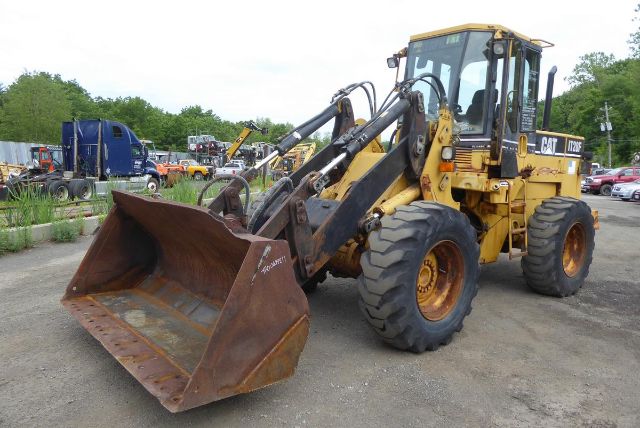
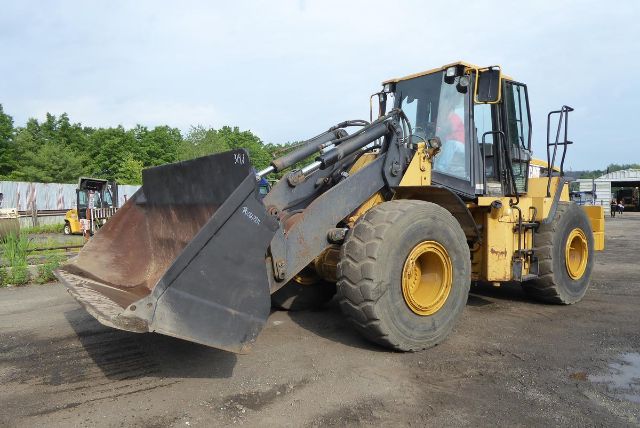
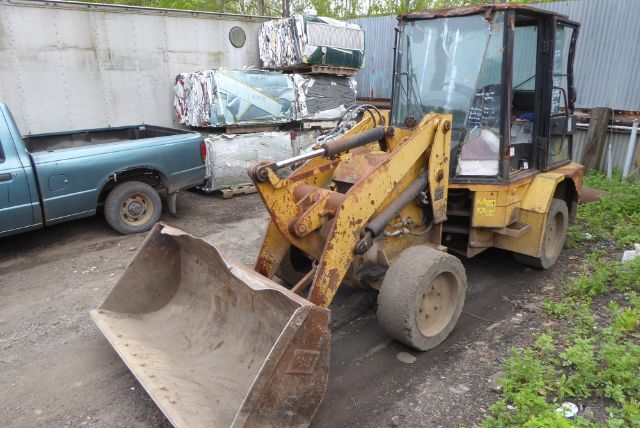
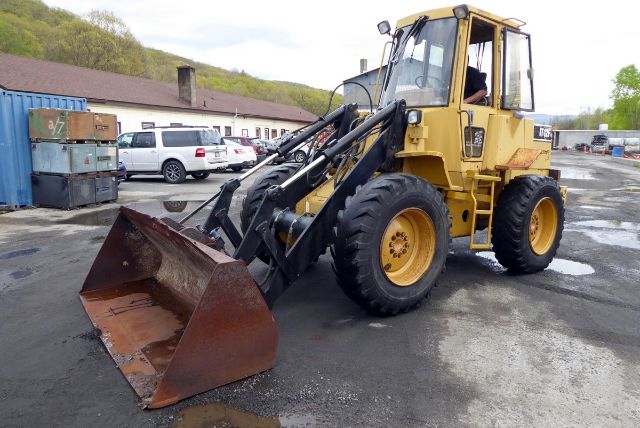
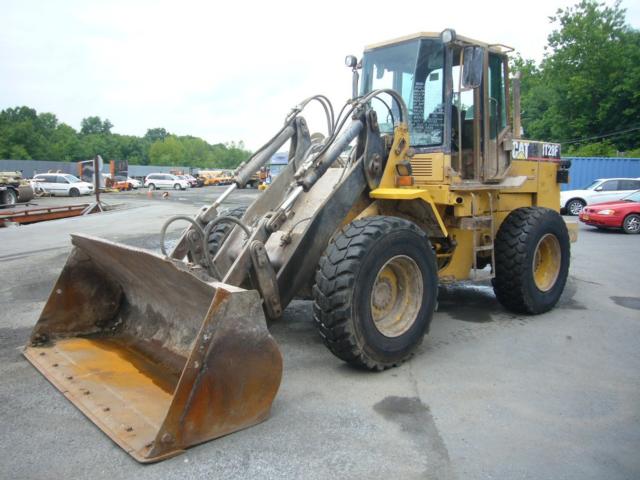
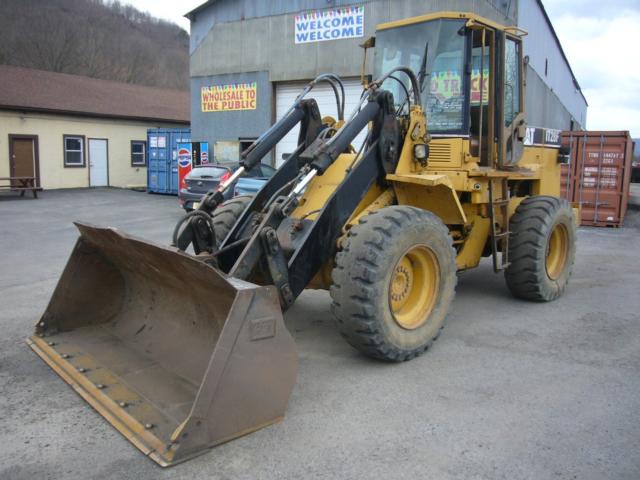
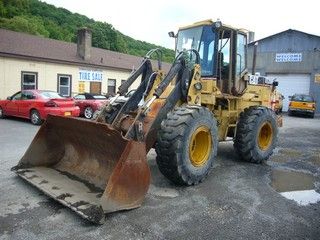
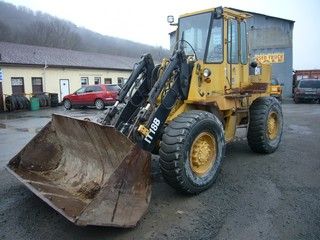
Selling a used caterpillar wheel loaders? List your used caterpillar wheel loaders for sale and reach thousands of commercial buyers.
Used Caterpillar Wheel Loaders in New York
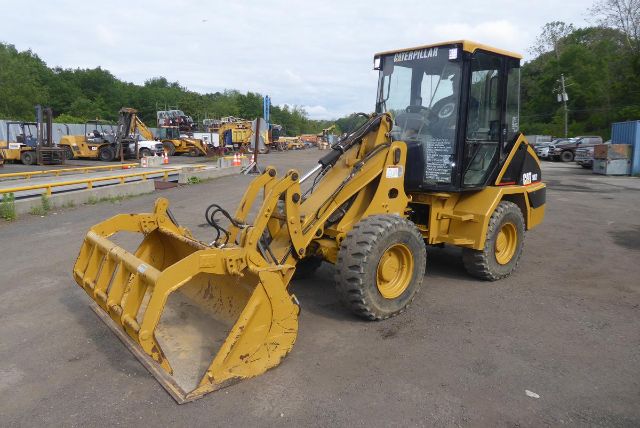
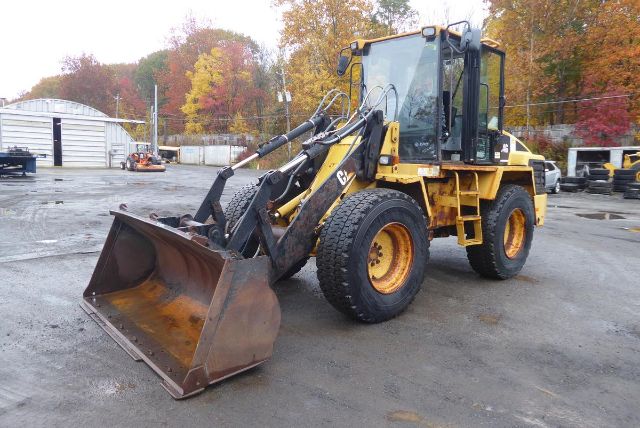
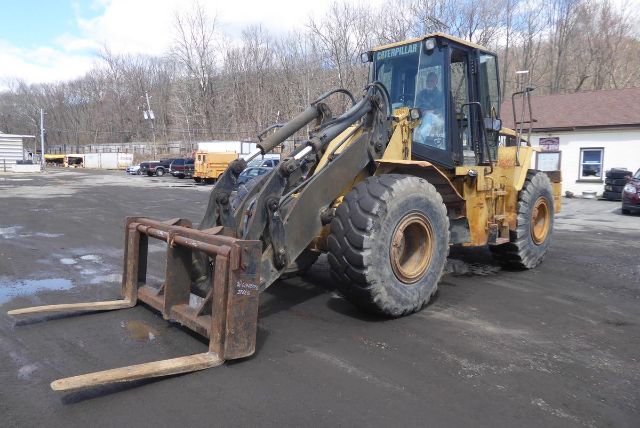
For many buyers, the first real decision is conventional wheel loader versus Cat integrated toolcarrier models such as the IT series. An IT loader is built for faster attachment changes and more fork-oriented work, which matters in lumber yards, pipe yards, recycling, and mixed-use fleets that move pallets one hour and bulk material the next. Standard wheel loaders are usually the better match for dedicated bucket loading and repetitive production work. On used equipment, pay close attention to quick coupler condition, 3rd valve plumbing, linkage wear, bucket edge life, and any evidence of cracking or plating on the bucket shell. If forks are included, inspect carriage wear, fork thickness, and the condition of the tilt and lift functions under load.
Powertrain and hydraulic condition usually matter more than paint on a used Cat wheel loader. Older units may have mechanical-injection Cat diesel engines and 4-speed automatic transmissions, while newer machines may use hydrostatic drive, electronic engines, DEF aftertreatment, and more advanced operator controls. In New York, loaders often see hard service in snow, salt, mud, demolition debris, and tight yard work, so inspect center pins, articulation joints, steer cylinders, wheel seals, brake function, axle seepage, and play in pins and bushings. Tire choice is also important. Pneumatic 17.5-25 or 20.5R25 tires are common, but solid tires can make sense in scrap, transfer stations, and puncture-prone environments. Cab heat, defrost, wipers, lighting, and camera systems deserve attention if the machine will be used in winter or low-visibility conditions.
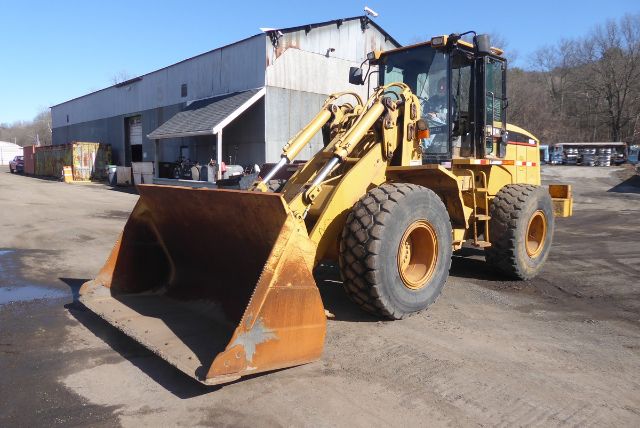
A good used Caterpillar wheel loader should match the material, cycle time, and attachment mix the job demands. Bucket width needs to make sense for stockpile work and truck loading, but overall machine width and height also matter if the loader will operate in barns, plants, transfer buildings, or older yards with limited clearance. Hour meter readings help frame value, but service records, recent engine or hydraulic work, dry cylinders, and proper brake operation often tell the real story. Cat wheel loaders generally hold their market well because parts support is broad and the machines are familiar to operators, but condition is everything. A loader that runs well, shifts correctly, steers tight, and has manageable wear in the linkage will usually be the better buy than a newer machine with neglected maintenance.
Frequently Asked Questions about Used Caterpillar Wheel Loaders in New York
What should I inspect first on a used Caterpillar wheel loader?
Start with the articulation area, center pin, pins and bushings, hydraulic cylinders, brakes, transmission behavior, and axle or wheel seal leaks. These machines often work in high-cycle environments, so looseness in the linkage and steering joint can signal expensive wear. Also inspect the bucket or fork attachment, quick coupler fit, tire condition, and cab functions such as heat, defrost, and gauges. A loader can look presentable and still have major structural or hydraulic wear.
What is the difference between a Caterpillar wheel loader and a Cat IT toolcarrier?
A standard Caterpillar wheel loader is generally optimized for bucket work and repetitive loading cycles. A Cat IT, or integrated toolcarrier, is designed to handle attachments more efficiently and is often preferred for pallet forks, material handling, and mixed-use applications. Toolcarrier models are common in yards where one machine needs to switch between forks, buckets, and other front attachments. The right choice depends on whether your work is primarily bulk loading or multi-attachment handling.
Are hydrostatic Caterpillar wheel loaders better than older automatic transmission models?
Not automatically. Hydrostatic loaders can offer smoother control, good modulation, and strong performance in tight spaces or truck loading applications. Older 4-speed automatic machines are often simpler and may appeal to buyers who want less electronic complexity. The better machine is usually the one with the stronger service history, tighter steering and linkage, sound hydraulics, and fewer drivetrain issues. Application matters more than transmission type alone.
What tire setup makes the most sense on a used wheel loader?
Pneumatic tires are common for general construction, snow removal, farm use, and aggregate yards because they provide ride quality and lower replacement cost. Solid tires are more suitable for scrap, recycling, transfer stations, and other puncture-heavy environments. When comparing used loaders, check tire size, remaining tread or wear surface, sidewall condition, rim condition, and whether the tire choice fits the surface and debris level where the machine will work.
How important are hours on a used Caterpillar wheel loader?
Hours matter, but they are only part of the valuation. A higher-hour loader with documented service, tight pins, working brakes, dry cylinders, and recent engine or hydraulic repairs can be a better purchase than a lower-hour machine with neglected maintenance. Look at hours alongside wear points, cold-start behavior, transmission response, hydraulic strength, and structural condition. On used wheel loaders, maintenance history and current operating condition usually tell more than the meter alone.