
Used 2018 Equipment For Sale in New York
Have used 2018 equipment to sell? List it here to reach thousands of buyers.
Used 2018 Equipment in New York
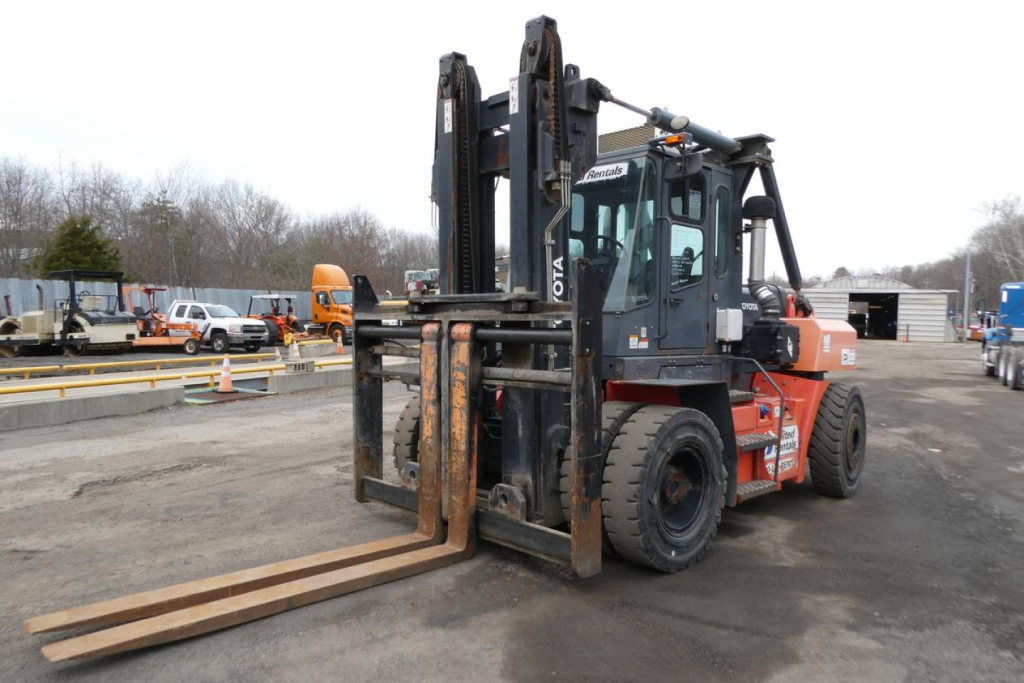
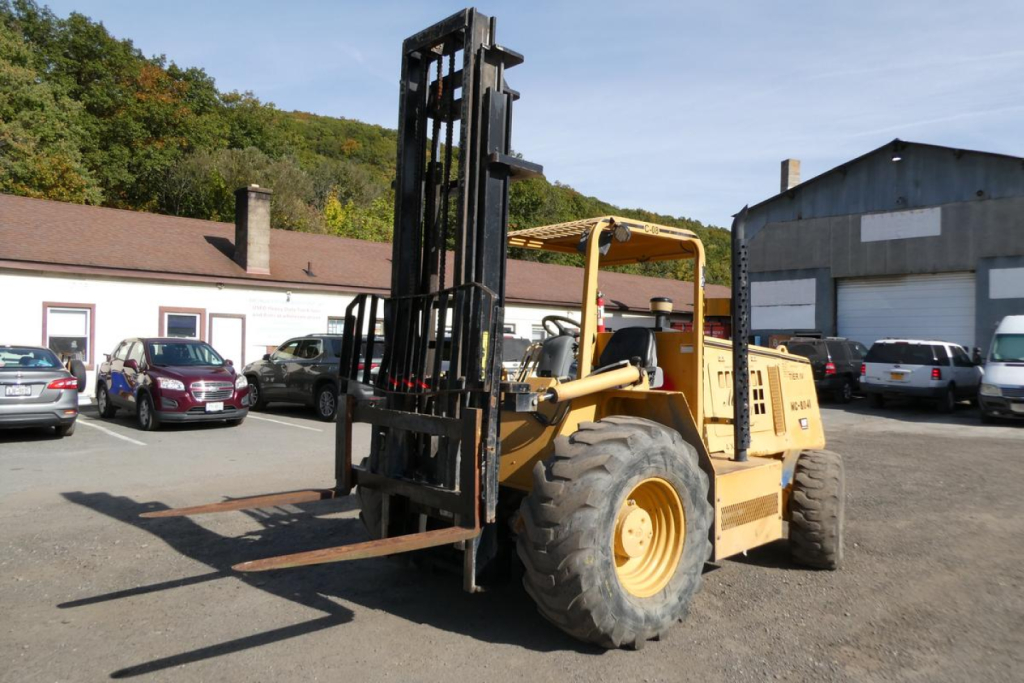
Condition matters more than brand alone on used 2018 equipment. Buyers should look closely at actual hours, cold-start behavior, hydraulic response, transmission engagement, mast or boom wear, and evidence of consistent service. On forklifts, key checkpoints include side shift operation, mast channels, carriage wear, lift and tilt cylinder condition, fork thickness, and whether the unit is running cushion, pneumatic, or solid tires. On heavier support equipment such as backhoes, compactors, or loaders, pay attention to pin and bushing play, drivetrain function, brake response, tire or drum condition, and any seepage at hydraulic cylinders. In New York, corrosion from road salt and winter exposure is a real issue, so frame condition, floor integrity, wiring, battery connections, and rust around cab mounts or undercarriage components deserve extra scrutiny.
Specifications should be evaluated against the work, not just the listing. Capacity, operating weight, overall width, turning radius, lift height, fork length, transport dimensions, and fuel type all affect productivity and operating cost. LP forklifts are common for warehouse and dock work because they offer fast refueling and strong runtime, while diesel-powered support equipment is more typical for outdoor applications and heavier digging or compaction work. If the equipment will be used around trailers, loading docks, or tight yard lanes, overall height and collapsed mast height can matter just as much as rated capacity. If it will be hauled between locations, shipping weight and trailer compatibility should be confirmed before purchase.
A used 2018 unit can be a strong fit for fleets, contractors, warehouses, and owner-operators that need dependable support equipment without stepping into new-equipment pricing. The best buys are usually machines with a clear service history, honest hour readings, dry hydraulics, and specs that line up with the actual workload. In a state like New York, versatility is valuable, but durability in cold weather, dependable starting, and manageable maintenance costs are what usually separate a smart purchase from a costly one.
Frequently Asked Questions about Used 2018 Equipment in New York
What should I inspect first on used 2018 trucking equipment?
Start with the basics that affect uptime and repair cost: engine start-up, transmission engagement, hydraulic performance, hour meter credibility, and structural condition. Look for leaks, rust, excessive wear at pins or mast rollers, uneven tire wear, and signs of hard use around the frame or attachment points. In New York, corrosion from winter conditions should be checked carefully on undercarriages, wiring, battery trays, cab floors, and exposed metal components.
Is a 2018 model year still a good value for trucking support equipment?
Yes, 2018 equipment is often a strong value point because it is new enough to offer modern operating features and parts support, but old enough to avoid the cost of late-model pricing. The real value depends on maintenance history, total hours, and how the machine was used. A well-kept 2018 unit with documented service can be a better buy than a newer machine with poor upkeep or heavy wear.
How do I choose the right capacity and size?
Match the equipment to the heaviest regular task, not the occasional one. For forklifts, that means checking rated lift capacity, load center, fork length, mast height, and overall width for aisle and dock clearance. For backhoes, loaders, and compactors, focus on operating weight, horsepower, attachment size, transport dimensions, and the ground conditions where the machine will work. Oversized equipment can create transport and maneuverability problems, while undersized equipment loses productivity fast.
What powertrain or fuel type makes the most sense?
That depends on where and how the equipment will run. LP or propane forklifts are common in warehouse, dock, and mixed indoor-outdoor use because refueling is quick and emissions are easier to manage than diesel in enclosed spaces. Diesel remains the standard for heavier outdoor support equipment because of torque, runtime, and durability under continuous load. Buyers should also consider cold-weather starting performance, local fuel availability, and shop familiarity with the engine platform.
Why is New York location important when buying used trucking equipment?
New York use conditions can affect equipment differently than units from milder regions. Snow, freeze-thaw cycles, road salt, and wet yard conditions can accelerate rust, electrical issues, and wear on brakes, hydraulic seals, and tire compounds. A buyer should pay close attention to corrosion, heater and defroster function, battery health, and the condition of hoses, fittings, and exposed steel if the machine has spent years working through Northeast winters.