
Used 2017 Equipment For Sale in New York
Browse used 2017 trucking equipment for sale in New York, including trailers, trucks, bodies, and support equipment for regional and fleet operations.
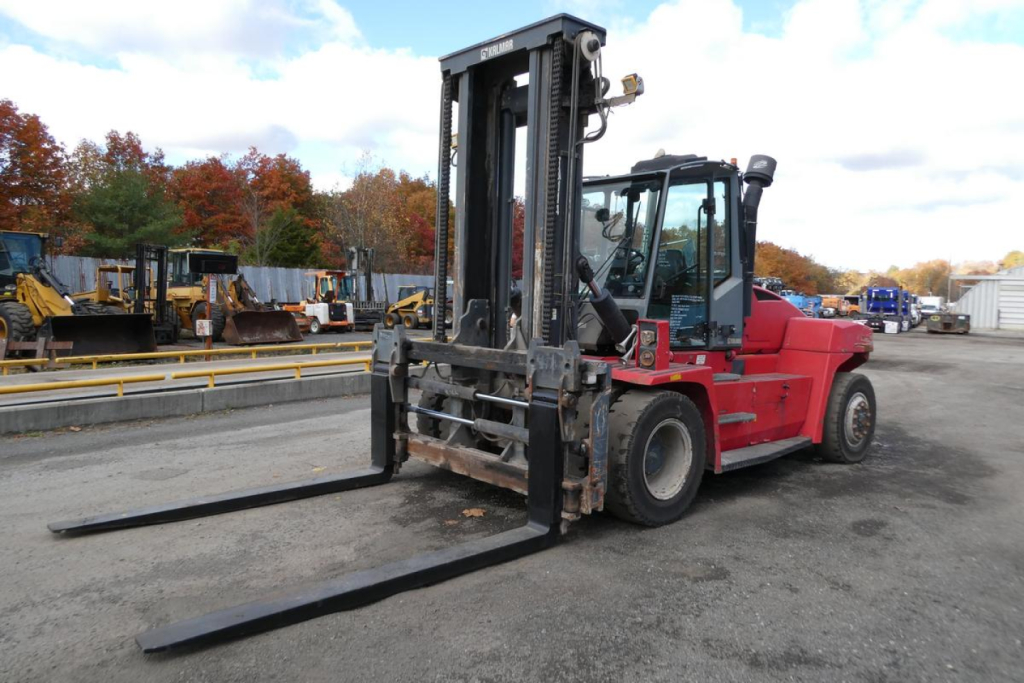
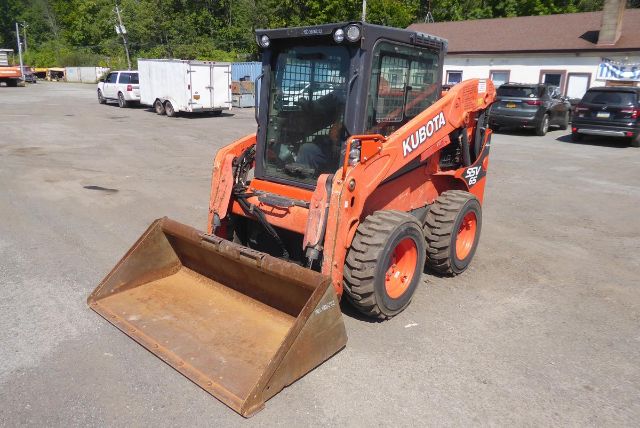
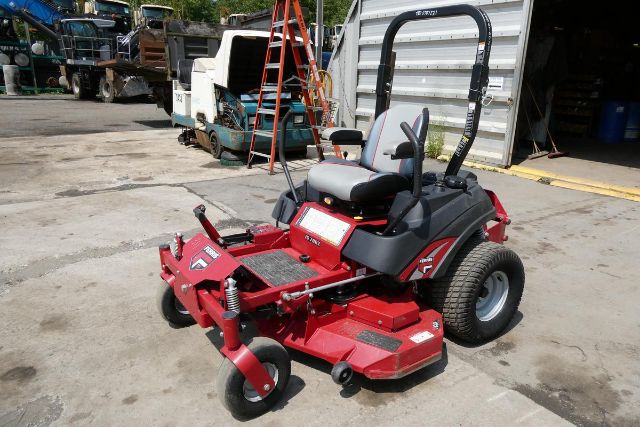
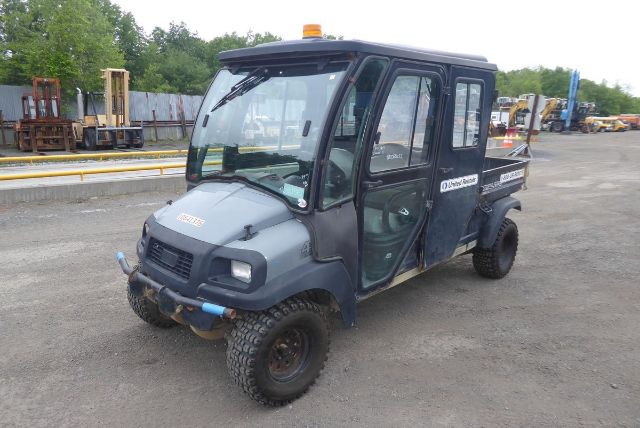
Selling a used 2017 equipment? List your used 2017 equipment for sale and reach thousands of commercial buyers.
Used 2017 Equipment in New York
For road equipment, buyers usually start with application before brand. Day cabs, sleepers, dry vans, reefers, flatbeds, lowboys, roll-offs, and specialized vocational units all have different wear patterns and spec priorities. On trucks, pay close attention to engine hours versus odometer miles, PTO setup, axle ratings, wheelbase, suspension type, brake configuration, and any signs of rust on frame rails, crossmembers, cab mounts, and electrical connections. On trailers, the important details are often floor condition, roof integrity, rear frame structure, landing gear operation, kingpin area wear, suspension bushing condition, brake life, tire age, and whether the trailer has fleet-favored options like tire inflation systems, aluminum wheels, lift axles, duct floors, scuff liners, logistics posts, or slider tandems.
A used 2017 unit in New York should also be evaluated for regional operating history. Equipment that spent years in snow, road salt, and stop-and-go metro service can show more corrosion and chassis wear than similar units from drier markets. That does not automatically make it a poor buy, but it does make underbody inspection more important. Buyers should look closely at wiring harnesses, air lines, ABS components, spring hangers, fuel tanks, battery boxes, and door hardware. If the equipment is intended for urban delivery, turning radius, overall height, liftgate condition, and dock compatibility may matter more than long-haul fuel economy. If the application is highway freight, focus more on drivetrain gearing, cruise-speed efficiency, sleeper layout, and maintenance history.
The best used 2017 trucking equipment purchase is usually the one that matches the freight, route density, and maintenance capabilities of the business. A well-spec'd regional tractor with the right rear ratio can outperform a cheaper mismatch. A dry van with sound floors and straight rear frames can be more valuable than a newer trailer with hidden structural repairs. Buyers comparing listings should think in terms of total operating fit: payload, legal compliance, service access, parts support, and how quickly the unit can be put to work. That approach usually leads to better uptime and lower cost per mile than shopping by price alone.
Frequently Asked Questions about Used 2017 Equipment in New York
What should I inspect first on used 2017 trucking equipment in New York?
Start with the frame, underbody, and all corrosion-prone areas. New York equipment often sees winter road salt, so rust on crossmembers, suspension mounts, brake components, wiring, doors, and trailer rear frames deserves close attention. After that, review tires, brakes, lighting, hydraulic or liftgate function if equipped, and service records. Structural condition and maintenance history usually matter more than cosmetic appearance.
Is 2017 a good model year for used trucking equipment?
For many buyers, 2017 is a practical middle ground. It is generally new enough to offer more current drivetrains, better driver comfort, and improved electronics compared with much older equipment, but old enough to come in at a lower purchase price than late-model units. The real value depends on spec, maintenance, and application fit. A well-maintained 2017 unit often makes more financial sense than a newer unit with the wrong configuration.
How do I compare used 2017 trucks and trailers beyond price?
Compare them by total operating fit. On trucks, look at engine and transmission spec, axle ratings, suspension, wheelbase, PTO capability, emissions system service history, and cab condition. On trailers, check floor condition, roof, sidewalls, kingpin area, suspension, brakes, tire age, and options like slider tandems or scuff liners. A lower price can be offset quickly by downtime, tire replacement, brake work, or structural repairs.
What types of used 2017 trucking equipment are common in this category?
This category can include highway tractors, day cabs, sleeper trucks, dry vans, refrigerated trailers, flatbeds, dump bodies, vocational trucks, and support equipment used around freight operations. Depending on the seller mix, it may also include yard and warehouse-related machines that support loading and material handling. The best way to evaluate any unit is by matching its configuration to the work it will actually perform.
Why does prior application matter so much on used 2017 equipment?
Application determines wear. A tractor that ran steady highway miles may show different wear than one used in city pickup and delivery. A trailer in food distribution may have different floor and door wear than one used in general freight. Vocational equipment may have lower miles but higher chassis stress from PTO use, stop-start duty, and jobsite conditions. Knowing prior use helps a buyer judge remaining service life more accurately.