
Used 2017 Equipment For Sale
Browse used 2017 trucking equipment with practical insight on specs, applications, condition, maintenance history, and buyer priorities.
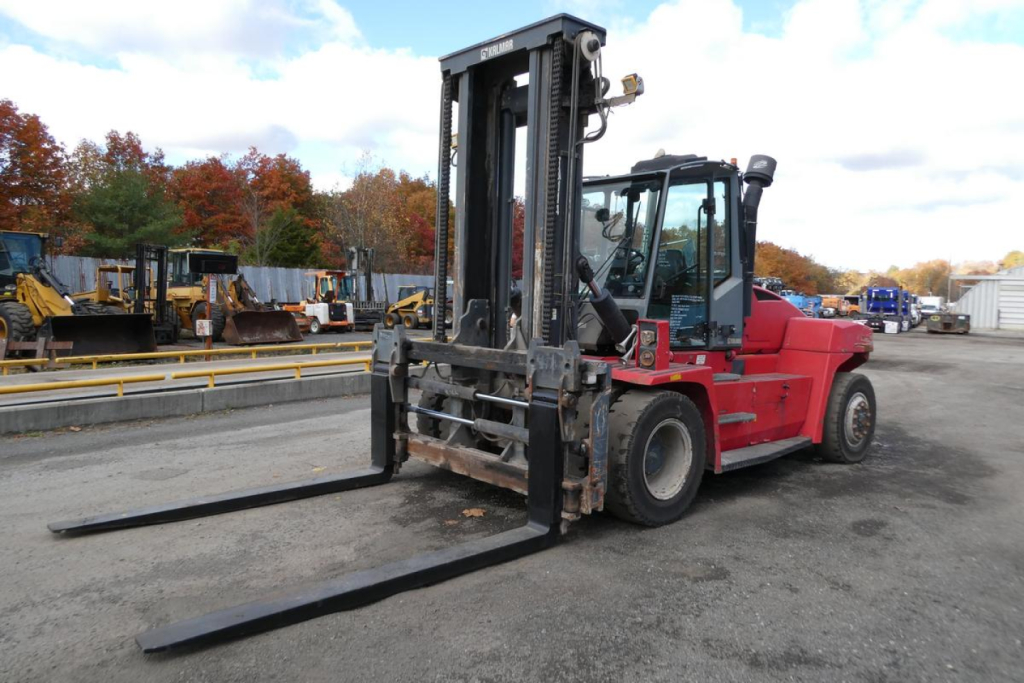
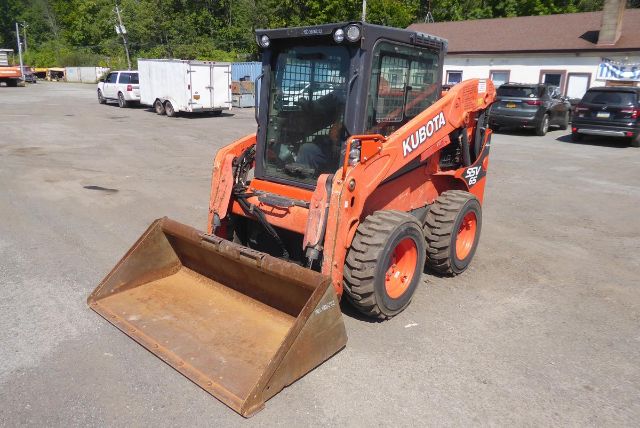
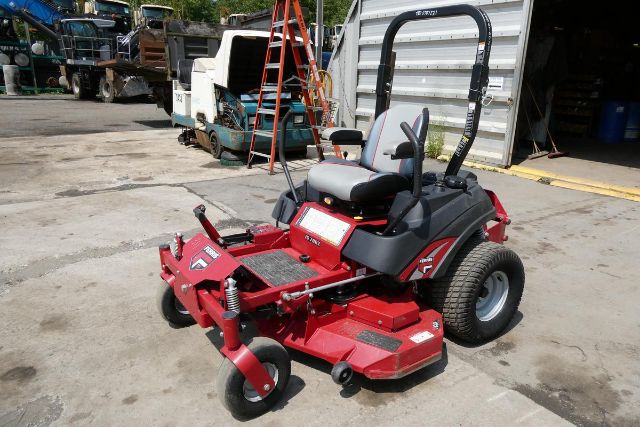
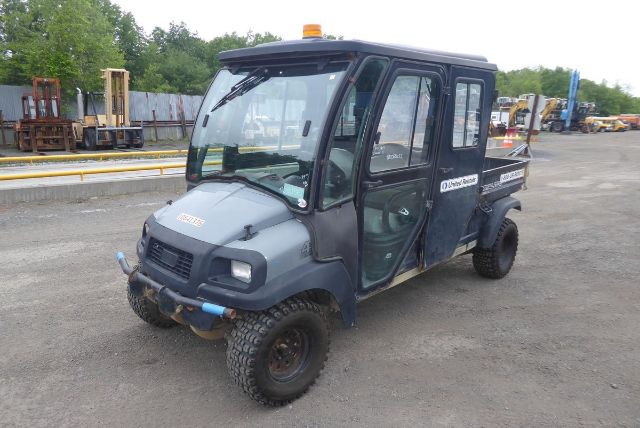
Selling a used 2017 equipment? List your used 2017 equipment for sale and reach thousands of commercial buyers.
Used 2017 Equipment
This category can include a wide range of used trucking equipment, from highway tractors and day cabs to vocational trucks, trailers, material handling units, and support equipment used around freight yards and construction supply chains. On road units from 2017 often feature aerodynamic packages, integrated powertrain controls, disc or drum brake configurations, and sleeper or day cab layouts designed around regional haul, local delivery, or long-haul freight. Vocational equipment from the same model year may bring heavier front axles, double-frame sections, hydraulic systems, and body-ready chassis specifications for dump, rollback, service, or utility work. The smartest comparison is not brand to brand alone, but gross vehicle weight rating, axle spread, suspension type, engine horsepower and torque, transmission style, and maintenance access.
Condition matters more in used 2017 trucking equipment than odometer or hour meter readings by themselves. A well-documented unit with consistent service intervals, clean diagnostic history, and signs of proper preventive maintenance usually beats a lower-priced unit with deferred repairs. On trucks, buyers should inspect engine hours versus miles, DPF service records, clutch life or automated transmission calibration history, brake wear, tire date codes, suspension bushing condition, and signs of frame corrosion or prior damage. On trailers and support equipment, common checkpoints include floor condition, crossmember integrity, kingpin wear, landing gear operation, brake components, lighting, hydraulic leaks, mast or boom wear points, and tire inflation system condition if equipped. For 2017 model-year equipment, electronics and emissions components deserve extra attention because repairs can quickly change the total cost of ownership.
A good 2017 unit can still fit demanding operations if the spec matches the job. Regional carriers may favor fuel-efficient sleepers or day cabs with manageable mileage and clean maintenance files. Vocational buyers often focus on PTO functionality, hydraulic performance, front axle capacity, and body or attachment compatibility. Yard, warehouse, and support-equipment buyers will care more about lift capacity, operating hours, solid versus pneumatic tires, and mast or fork condition. The buying decision should come down to usable life, service history, parts support, and how closely the equipment matches the freight, terrain, and duty cycle it will see every day.
Frequently Asked Questions about Used 2017 Equipment
What should I look for first when buying used 2017 trucking equipment?
Start with the application and the core spec. Make sure the equipment is built for the work you need it to do, including GVWR, axle ratings, wheelbase, suspension, engine output, transmission type, and any PTO or hydraulic requirements. After that, review maintenance records, fault codes, emissions-system history, tire and brake condition, and signs of structural wear. A correct spec with documented upkeep is usually a better buy than a cheaper unit that does not fit the job.
Is 2017 a good model year for used trucking equipment?
2017 is often a strong value point because many units still offer modern drivability, safety features, and improved cab design without the premium attached to newer equipment. Many 2017 trucks and vocational units also have mature parts availability and established repair knowledge in the market. The key is to verify the maintenance history and inspect emissions-related components carefully, since aftertreatment repairs can be expensive if service has been deferred.
How important are miles, hours, and idle time on 2017 equipment?
They are important, but they do not tell the full story by themselves. Highway tractors may accumulate high miles with relatively predictable operating cycles, while vocational trucks and support equipment can show lower miles but much harder service and higher idle or PTO time. Compare the meter readings to the service history, driveline wear, cab condition, brake and suspension wear, and engine diagnostic data. The operating profile behind the numbers matters as much as the numbers themselves.
What common repairs should buyers expect on used 2017 trucking equipment?
Common repair areas depend on the equipment type, but buyers should budget for wear items and age-related service. On trucks, that can include brakes, tires, batteries, suspension components, aftertreatment cleaning or replacement, sensors, air system leaks, and cooling system work. On trailers and support equipment, common needs include tires, lighting, brake service, hydraulic hose replacement, bushings, mast or attachment wear items, and electrical repairs. A pre-purchase inspection helps separate routine maintenance from major upcoming expense.
Why does matching the spec matter more than simply choosing the lowest-priced 2017 unit?
The wrong spec creates operating problems that no purchase discount can fix. A truck with the wrong axle ratio, insufficient front axle capacity, the wrong wheelbase, or no usable PTO provision may cost more in downtime and retrofits than a properly spec'd unit with a higher purchase price. The same applies to trailers and support equipment where capacity, dimensions, attachment setup, and duty rating directly affect productivity. Used 2017 trucking equipment delivers the best value when the build matches the route, payload, terrain, and daily cycle.