
Used 2013 Equipment For Sale in New York
Browse used 2013 trucking equipment in New York. Compare specs, applications, condition, and maintenance factors before you buy.
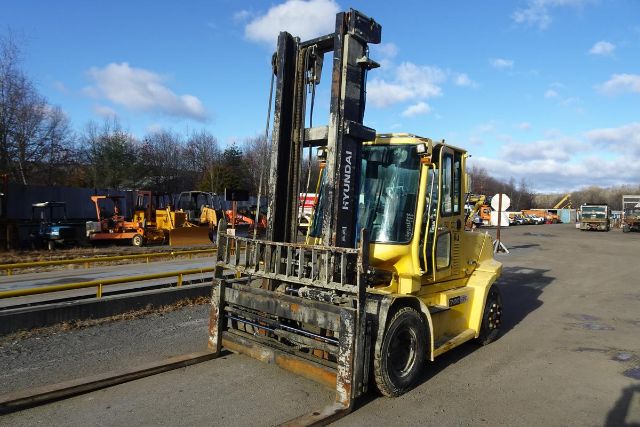
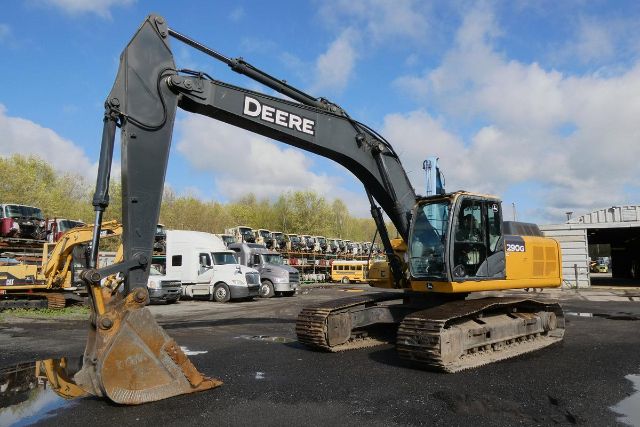
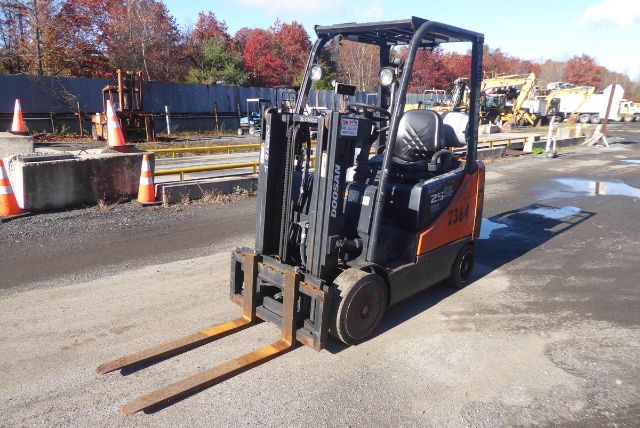
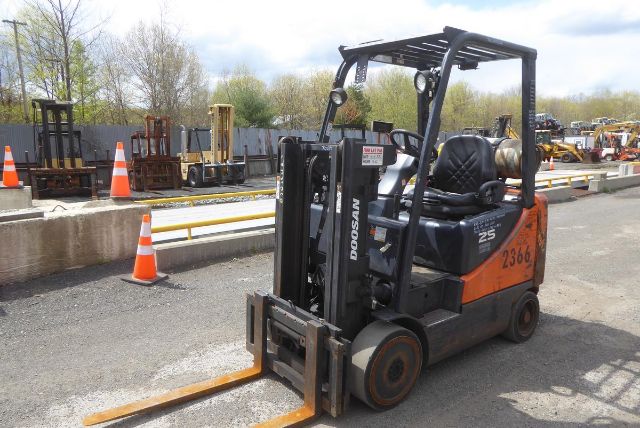
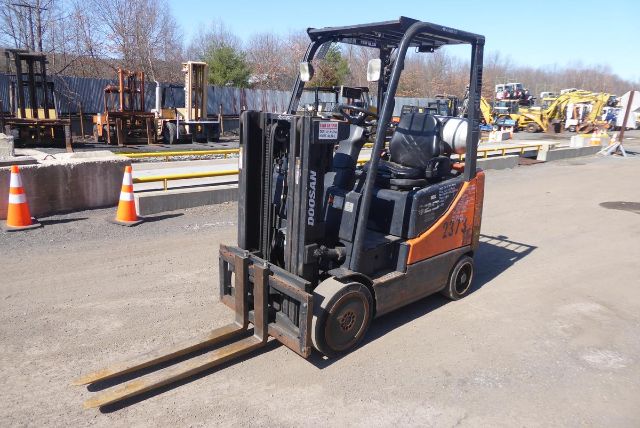
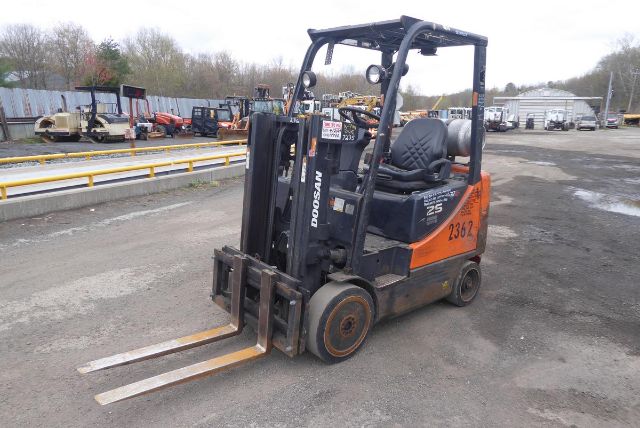
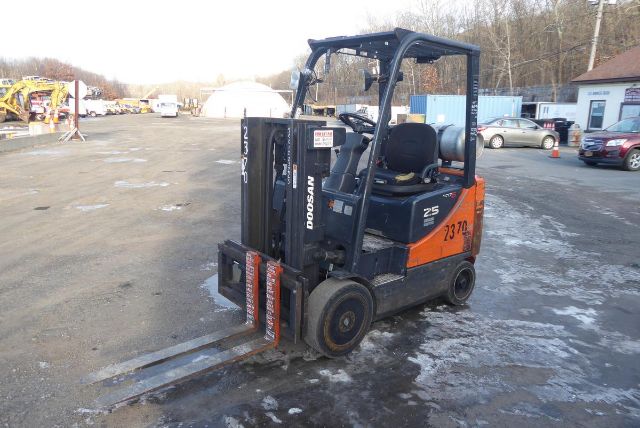
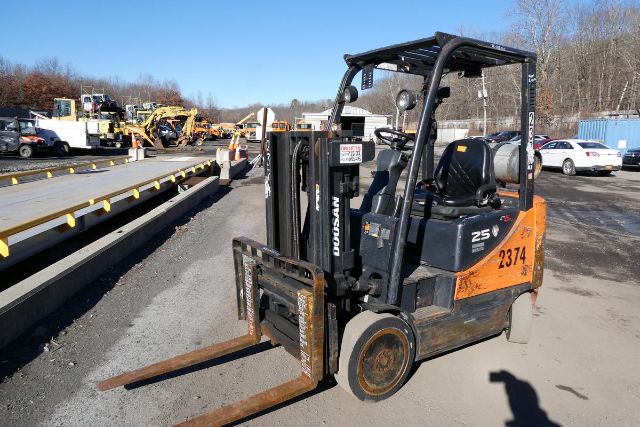
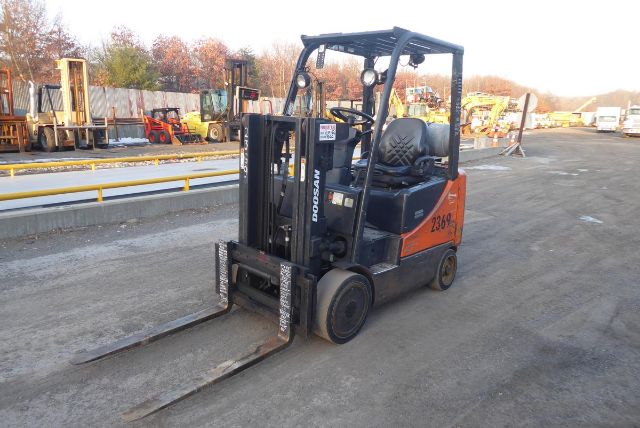
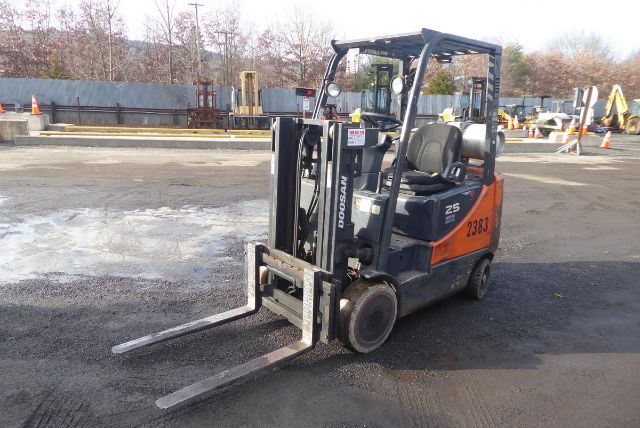
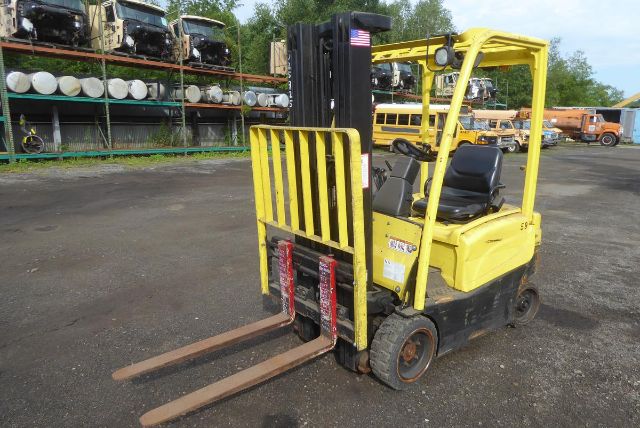
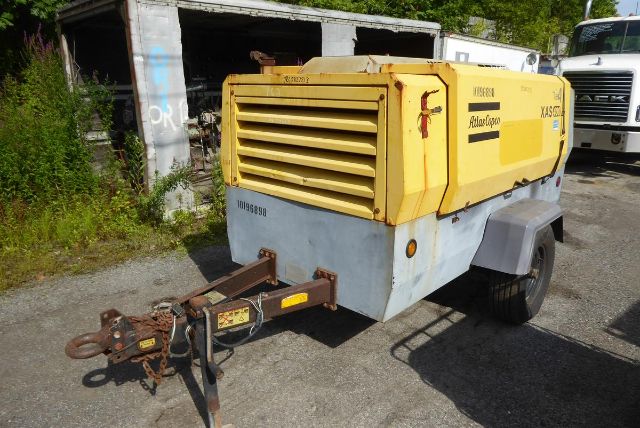
Selling a used 2013 equipment? List your used 2013 equipment for sale and reach thousands of commercial buyers.
Used 2013 Equipment in New York
This equipment class covers a wide range of commercial trucks and support equipment used in freight, construction, municipal, agricultural, warehouse, and material handling operations. Depending on the application, that may include day cabs, sleepers, box trucks, flatbeds, dump trucks, vocational chassis, forklifts, and other fleet support machines that keep freight and job sites moving. Common specs buyers compare include GVWR, wheelbase, engine horsepower, torque, transmission type, rear axle ratio, suspension, brake configuration, PTO compatibility, lift capacity, and body or attachment dimensions. For warehouse and yard support equipment, hour meter readings, mast configuration, fork condition, tire type, and hydraulic response matter just as much as engine performance.
For 2013 equipment, emissions and electronic systems deserve careful attention. Many units from this period use diesel aftertreatment systems such as DPF and DEF, so buyers should check for fault codes, regen history, sensor issues, and any signs of deleted or modified emissions components. On trucks, look closely at transmission shift quality, clutch wear if equipped, driveline vibration, brake thickness, kingpin and bushing wear, tire date codes, and signs of uneven loading or frame stress. On material handling equipment, inspect mast channels, carriage rollers, hydraulic cylinders, steer axle wear, and cold-start behavior. A detailed pre-purchase inspection is usually the difference between a dependable work unit and an immediate shop bill.
The best used 2013 trucking equipment for sale is equipment that fits the route, payload, and duty cycle without forcing costly modifications after purchase. Regional hauling, urban delivery, warehouse loading, farm support, and jobsite work all require different specs. A buyer in New York may prioritize cold-weather starting, rust condition, enclosed operator stations, traction, and serviceability from local dealers. When comparing listings, it helps to evaluate actual operating condition, not just price, and to balance remaining service life against parts availability, repair access, and the cost of bringing the unit up to your fleet standard.
Frequently Asked Questions about Used 2013 Equipment in New York
What should I inspect first on used 2013 trucking equipment?
Start with the structure, powertrain, and maintenance record. On trucks, that means frame condition, rust, engine blow-by, fluid leaks, transmission operation, brake wear, suspension play, tire condition, and any active warning lights. On forklifts or other support equipment, focus on hour meter reading, mast wear, hydraulic leaks, lift and tilt function, tire condition, and overall responsiveness. In New York, corrosion inspection is especially important because road salt can damage frames, wiring, brake lines, and hardware.
Is 2013 model year equipment too old for commercial use?
Not necessarily. A 2013 unit can still deliver strong service if it was maintained properly and the spec fits the work. Age matters less than service history, component condition, and how hard the equipment was worked. Many fleet buyers still run 2013 equipment successfully because parts remain available for many major makes and core systems are familiar to independent shops and dealership service departments.
What emissions issues are common on 2013 diesel equipment?
Many 2013 diesel trucks and machines use modern aftertreatment systems including DPF and, in many cases, DEF-related components. Common problem areas include failed sensors, regen issues, clogged filters, dosing faults, and derate conditions triggered by neglected maintenance. Buyers should scan for fault codes, confirm the emissions system is intact, and review service records for filter cleaning or replacement. A proper diagnostic check is important before purchase because emissions repairs can be expensive.
How do I compare used trucking equipment listings in different categories?
Compare them by job function first, then by total cost to put them to work. A low-priced unit may still need tires, forks, hydraulic work, brakes, or emissions repairs. Match the equipment to payload, lift requirement, route length, terrain, and operating environment. Then compare hours or miles, service records, chassis or mast condition, capacity ratings, dimensions, and the availability of local parts and service support.
Why does location matter when buying used equipment in New York?
Location matters because climate and operating environment affect wear. Equipment used in New York often sees winter salt, freeze-thaw cycles, tight urban operation, and stop-and-go duty. That can mean more corrosion, electrical wear, brake wear, and body damage than similar equipment from drier regions. Buyers should inspect undercarriages, wiring, battery boxes, cab floors, and structural components carefully to understand the true condition.