
Used 2012 Equipment For Sale in New York
Browse used 2012 trucking equipment for sale in New York, including commercial trucks, trailers, and support equipment with buyer-focused insights.
Learn morePopular Equipment Categories
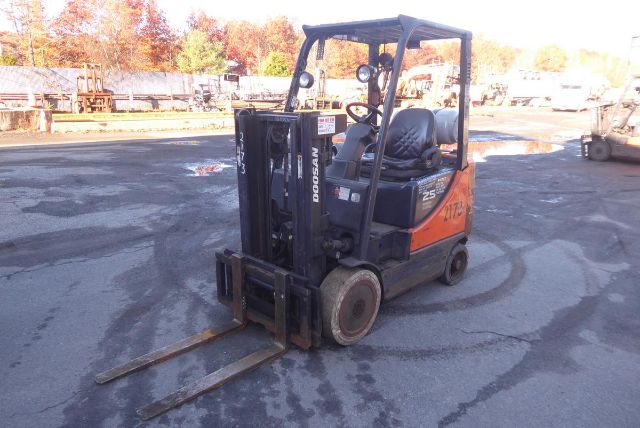
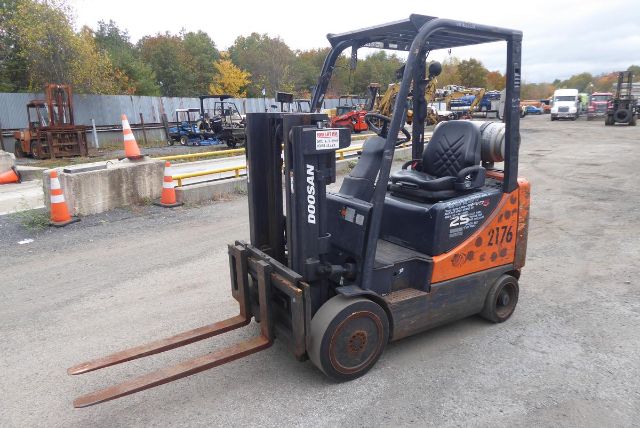
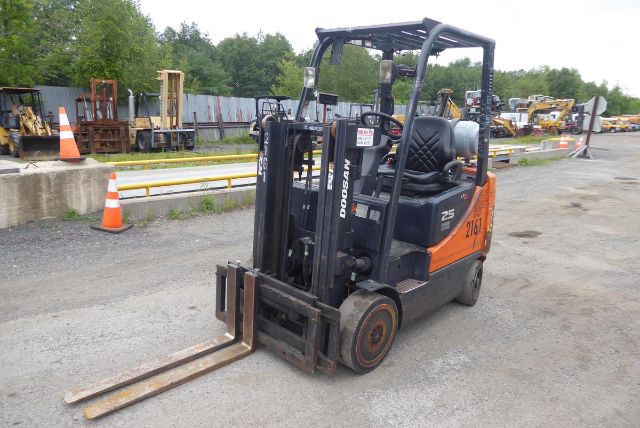
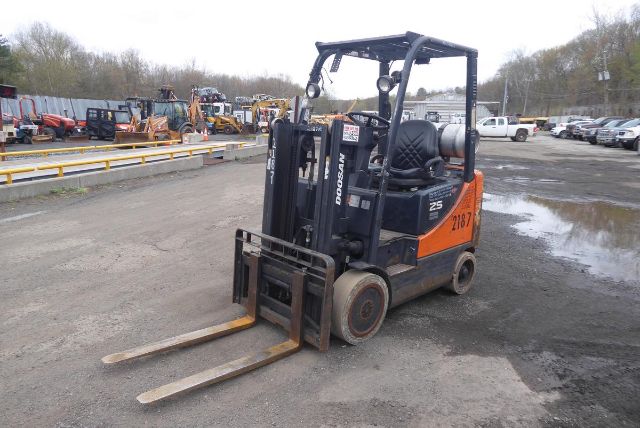
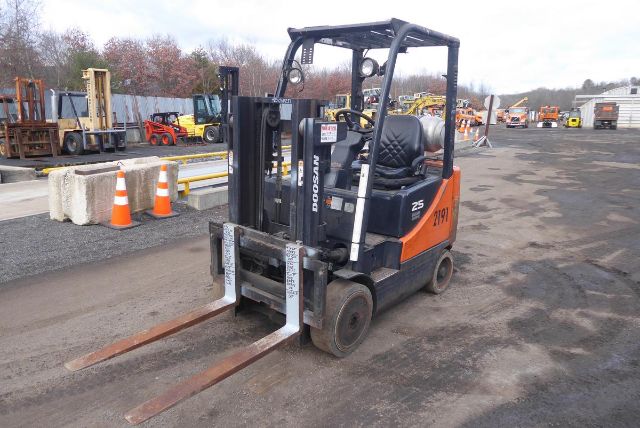
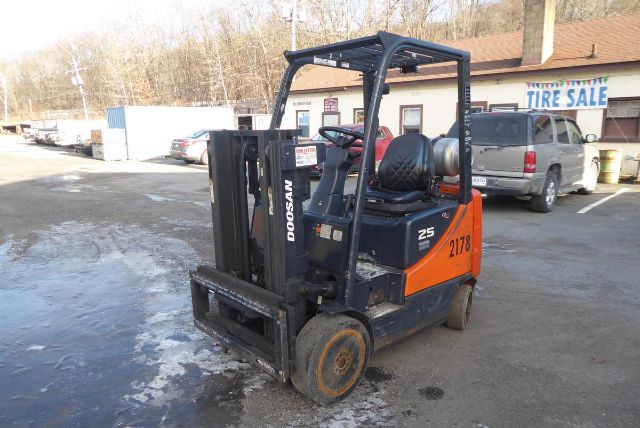
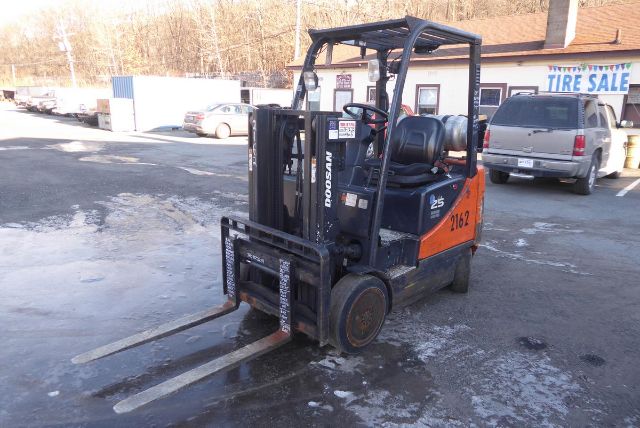
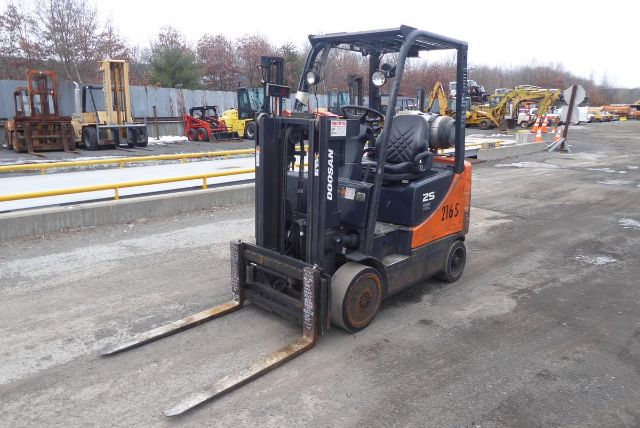
Showing 1 to 12 of 13 results
Have used 2012 equipment to sell? List it here to reach thousands of buyers.
About Used 2012 Equipment in New York
The most important buying decision in this category is not brand alone, but application history. A 2012 day cab, sleeper, dry van, reefer, dump truck, forklift, or truck-mounted machine should be evaluated by how it was used, maintained, and stored. Engine hours, odometer readings, PTO usage, hydraulic condition, rust, frame integrity, suspension wear, and brake life all matter. For support equipment like forklifts or truck-mounted excavating units, mast wear, cylinder seepage, steer axle condition, attachment compatibility, and battery or propane system status can be just as important as engine performance. On over-the-road and vocational truck equipment, buyers should pay close attention to emissions system service history, cooling system condition, transmission operation, axle ratios, and any signs of corrosion on crossmembers, wiring, air tanks, or body mounts.
New York buyers should also weigh regional operating factors. Salt exposure can accelerate rust on frames, brake components, trailer understructures, and electrical connectors. Urban work tends to increase clutch wear, steering wear, body damage, and idle hours, while upstate winter operation can be hard on hydraulics, batteries, seals, and suspension parts. If the equipment will be registered for on-road use, check GVWR, axle ratings, tire sizes, lighting compliance, and any state inspection requirements that apply to the unit type. If the machine is yard-based or warehouse support equipment, focus more on turning radius, lift capacity, overall height, fuel type, and whether it fits your dock, aisle, or jobsite constraints.
A strong 2012 unit is usually defined by documented maintenance, clean mechanical operation, and specs that fit the job without compromise. Buyers comparing listings should look past paint and focus on cold-start behavior, fluid quality, fault codes, hydraulic responsiveness, brake feel, tire condition, and evidence of consistent service. Common value points in this age range include proven powertrains, simpler ownership cost than newer equipment, and enough model maturity that known issues are easier to research before purchase. The best buy in used 2012 trucking equipment is the one with a clear maintenance story, realistic wear for its class, and specifications that match your route, payload, and operating environment.
Frequently Asked Questions
What should I check first when buying used 2012 trucking equipment?
Start with the application history and maintenance records. A 2012 unit that was serviced consistently and used within its design limits is usually a better buy than a newer machine with poor upkeep. Check engine hours, mileage, hydraulic performance, frame condition, rust, brake wear, tire condition, and any fault codes. For trucks and trailers, review axle ratings, suspension condition, emissions system repairs, and signs of corrosion from winter road salt. For forklifts and support equipment, inspect mast wear, battery or propane system condition, steering response, and cylinder leakage.
Is 2012 model year trucking equipment still a practical choice for commercial use?
Yes, many 2012 units remain practical if the specifications match the job and the machine has been maintained properly. This model year often offers a lower entry cost while still providing common parts availability and familiar driveline components. The key is to separate cosmetic age from mechanical condition. A well-kept 2012 truck, trailer, or support machine can still deliver reliable service in regional hauling, yard operations, construction support, warehousing, and local delivery work.
Why does location in New York matter when evaluating used equipment?
New York operating conditions can affect wear patterns significantly. Downstate and city use often means more idling, tighter maneuvering, and more stop-and-go stress on brakes, steering, and driveline components. Upstate winter exposure can increase corrosion on frames, electrical systems, air lines, and underbody hardware. Buyers should inspect for rust on structural members, seized fasteners, damaged wiring, and hydraulic seals that may have been affected by cold-weather use. Regional history can tell you a lot about how hard the equipment has worked.
What specs matter most across different types of 2012 trucking equipment?
The critical specs depend on the equipment type, but capacity and configuration always come first. On trucks, focus on engine rating, transmission type, axle ratio, wheelbase, GVWR, and PTO or body setup if it is vocational. On trailers, look at trailer length, axle spread, suspension type, floor condition, door configuration, and tare weight. On forklifts and yard equipment, check lift capacity, mast height, fuel or battery type, operating weight, overall width, and fork or attachment dimensions. A good spec sheet should support the exact work cycle you plan to run.
How can I tell if a used 2012 unit is priced fairly?
Fair pricing usually reflects condition, hours or mileage, spec desirability, maintenance history, and how easily the unit can be put to work. A lower-priced machine may still cost more if it needs tires, brakes, hydraulic repair, battery replacement, emissions work, or structural rust correction. Compare similar 2012 units by category, not just by year alone. A fair-value unit is one with usable remaining life, no major hidden repair needs, and specifications that do not force costly modifications after purchase.