
Used 2005 Equipment For Sale
Browse used 2005 trucking equipment for sale, including vocational trucks, trailers, forklifts, and support equipment built for work-ready fleet needs.
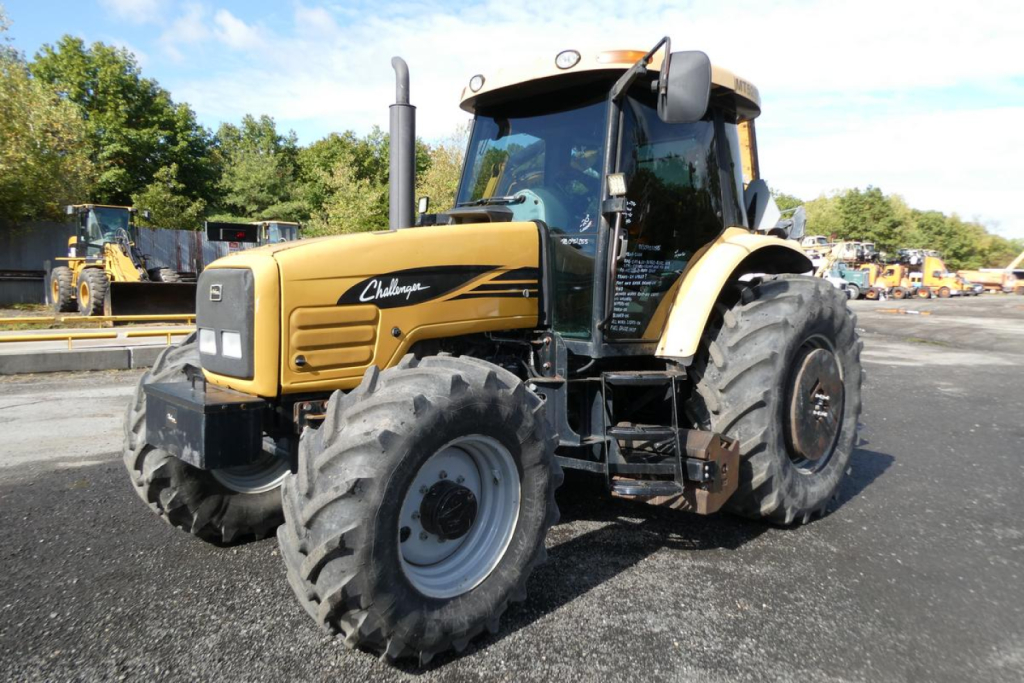
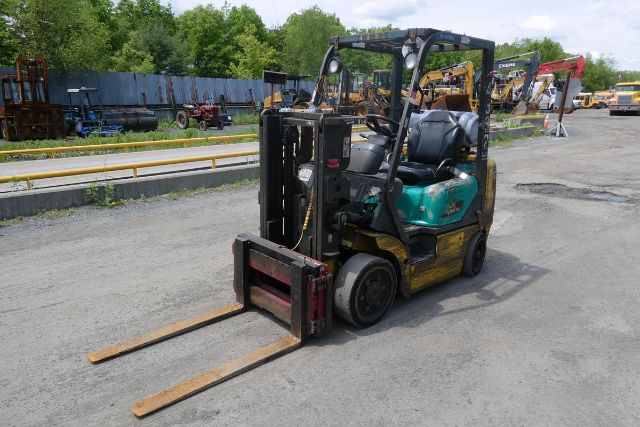
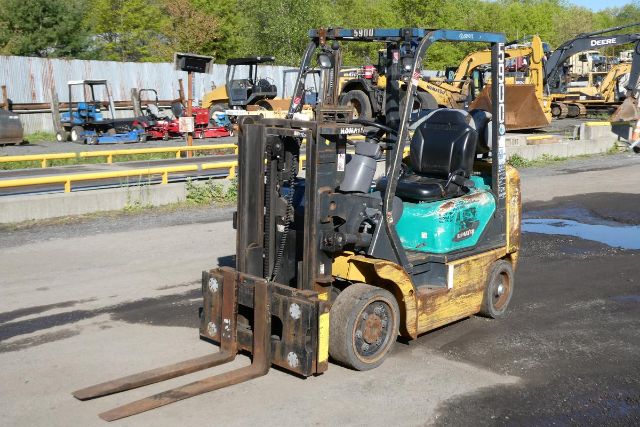
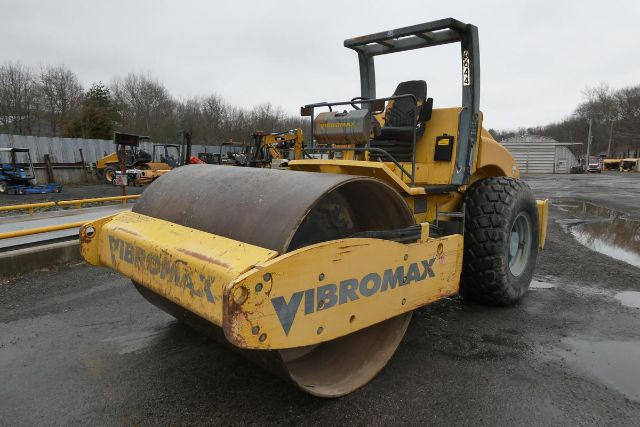
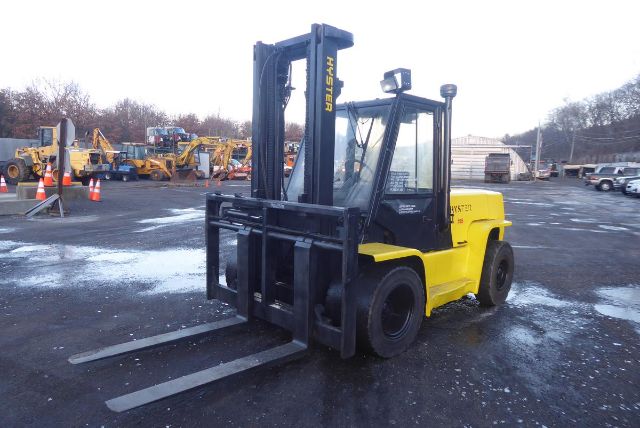
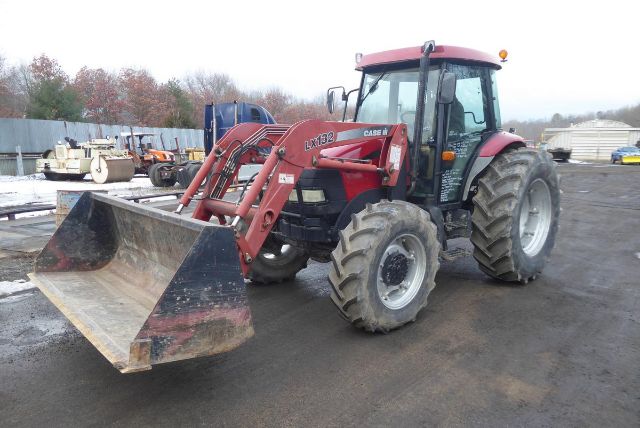
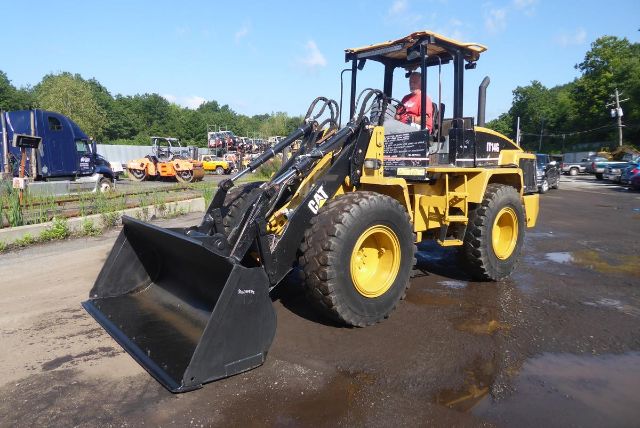
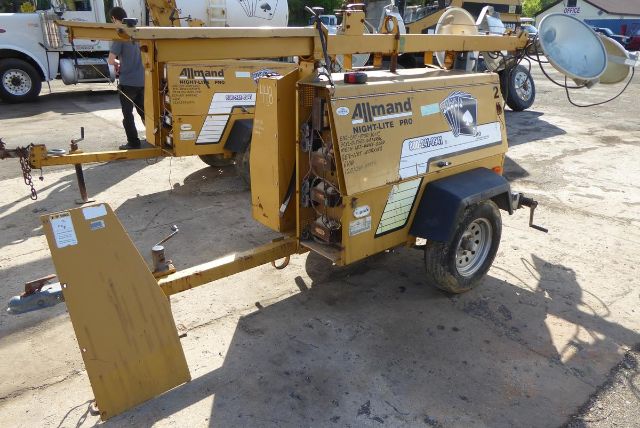
Selling a used 2005 equipment? List your used 2005 equipment for sale and reach thousands of commercial buyers.
Used 2005 Equipment
If you are comparing 2005-era equipment, focus first on the systems that are expensive to put back into service. On material-handling equipment such as forklifts, that means mast operation, carriage wear, side shift function, cylinder leaks, steering response, brake performance, and whether the machine still lifts to rated capacity without hesitation. Engine type is another major decision point. Propane units are common for indoor and warehouse applications, while diesel-powered equipment may make more sense for outdoor yard work and heavier-duty cycles. Solid or foam-filled tires, fork length, mast style, and lift height should match the freight you actually handle, not just the purchase price.
For broader trucking equipment from this year, buyers should expect simpler emissions systems than later-model machines, which can reduce diagnostic complexity and downtime in some applications. That advantage needs to be weighed against normal age-related issues such as wiring repairs, worn pins and bushings, hydraulic hose fatigue, outdated safety features, and cosmetic corrosion. On any used 2005 equipment, inspect structural components carefully. Look at the frame, mast channels, boom sections, attachment mounts, suspension points, and any high-stress weld areas for signs of cracking, repairs, or distortion. Replacement parts availability also matters, especially on orphaned brands or niche models.
The best 2005 trucking equipment purchases usually come down to application fit and total operating cost. A lower-hour machine with strong hydraulics, dry cylinders, and a clean service history can outperform a newer but neglected unit. Buyers should verify rated capacity, dimensions, operating weight, fuel type, transmission type, and attachment compatibility before making a decision. If the equipment will support loading docks, freight terminals, recycling work, warehouse operations, or regional yard use, it is worth confirming lift specs, turning radius, transport dimensions, and ease of maintenance. A well-matched used 2005 unit can still deliver dependable service when it has been maintained correctly and inspected with the same discipline used for any revenue-producing asset.
Frequently Asked Questions about Used 2005 Equipment
What should I inspect first on used 2005 trucking equipment?
Start with the high-cost systems that affect safe operation and uptime. On most equipment, that includes the engine, transmission or drive system, hydraulics, brakes, steering, tires, and structural components. Check for fluid leaks, cold-start behavior, smoke, abnormal noises, loose pins, cracked welds, and uneven tire wear. On forklifts and similar lifting equipment, test mast lift, tilt, side shift, and load stability. Service history and evidence of regular repairs are especially important on 2005-model equipment because age-related wear can be more significant than appearance.
Is 2005 trucking equipment too old for commercial use?
Not necessarily. Many 2005 units remain commercially useful if they were maintained on schedule and are matched to the right application. Older equipment can be attractive because of lower acquisition cost and simpler mechanical design compared with some later emissions-era machines. The key is to evaluate condition, parts support, and expected repair costs. A well-kept 2005 machine used for yard, warehouse, or support duty can still be a sound asset, while a neglected one can become expensive quickly.
What specs matter most when comparing used 2005 forklifts and similar support equipment?
Capacity, lift height, mast type, fuel type, tire configuration, overall dimensions, and operating weight are the main comparison points. Buyers should also check fork length, side shift or attachment setup, turning radius, and whether the machine fits dock, trailer, and warehouse clearances. For older units, hour meter readings should be considered alongside service records and observed wear. A machine with higher hours but documented maintenance can be a better choice than a lower-hour unit with unknown history.
Are parts still available for 2005-model trucking equipment?
Parts availability depends on the make, model, and how much aftermarket support exists for that platform. Mainstream brands generally have better access to filters, seals, hoses, ignition components, brake parts, mast rollers, and common wear items. Harder-to-source components can include control modules, trim pieces, proprietary hydraulic parts, and brand-specific attachments. Before buying, it is smart to confirm support through a dealer, independent parts supplier, or salvage network so downtime does not become a long-term problem.