
Used 2000 Equipment For Sale in New York
Browse used 2000 trucking equipment for sale in New York, including trailers, trucks, bodies, and support equipment built for regional fleets.
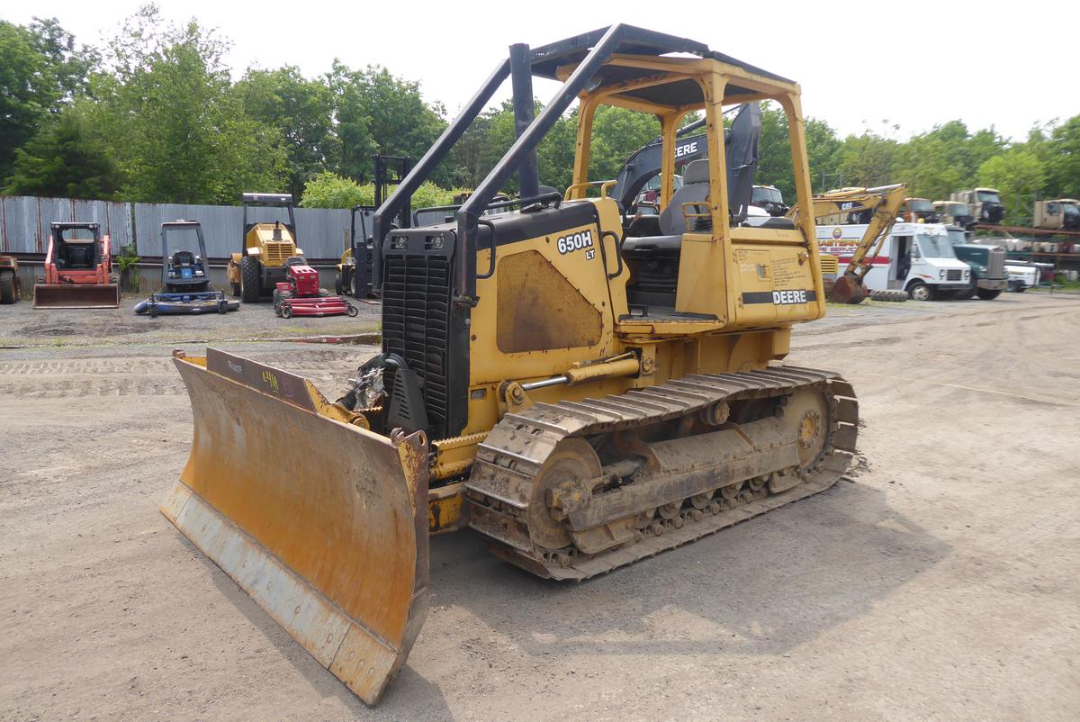
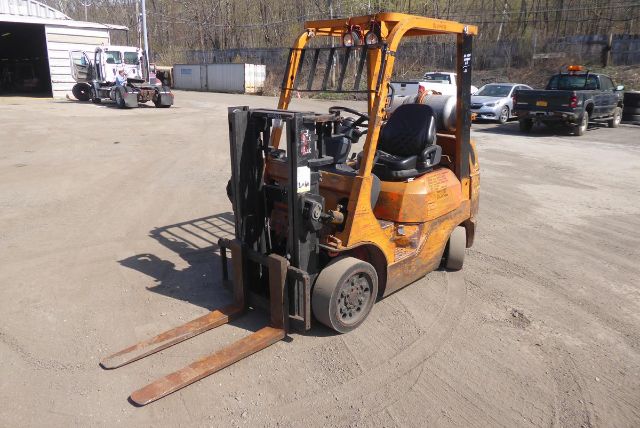
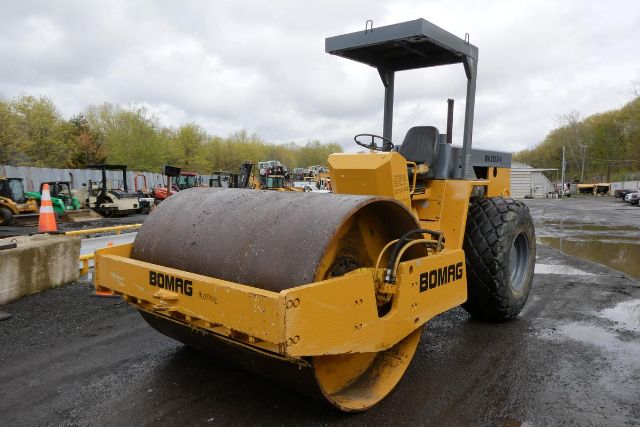
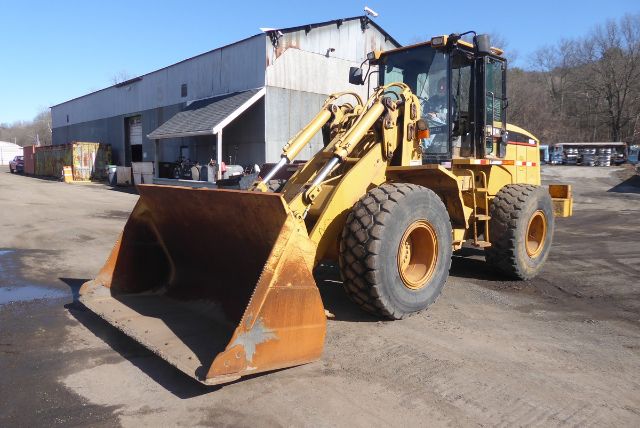
Selling a used 2000 equipment? List your used 2000 equipment for sale and reach thousands of commercial buyers.
Used 2000 Equipment in New York
For trucks from this era, engine and driveline spec matter more than cosmetics. Buyers usually focus on pre-emissions or early-emissions diesel platforms, transmission type, axle ratings, suspension, brake configuration, wheelbase, PTO provisions, and body compatibility. On trailers and vocational equipment, the key points are frame condition, crossmember integrity, floor wear, suspension type, axle spread, brake setup, tire size, and signs of corrosion. In New York, road salt can be a major factor, so it is worth paying close attention to cab corners, door bottoms, wiring, air lines, spring hangers, subframes, and any rust around the kingpin area, landing gear mounts, or rear sills.
A used 2000 truck or trailer often appeals to buyers who want a lower acquisition cost and a machine that can be repaired with commonly available components. Mechanical diesel engines, manual transmissions, and straightforward electrical systems are still valued in many operations because they reduce diagnostic complexity. That said, age-related wear becomes the real cost driver. Service records, engine hours if applicable, odometer accuracy, clutch condition, injector and turbo history, brake wear, suspension bushing condition, frame repairs, and DOT compliance items all deserve a close look. For trailers, check roof seams, door hardware, floor patches, scuff liners, slider operation, air ride performance, and tire inflation system components if equipped.
The best used 2000 trucking equipment is the unit that fits the lane, the load, and the maintenance plan. A buyer running short regional routes through New York may prioritize maneuverability, cold-weather starting, rust condition, and easy parts sourcing over late-model features. A heavier vocational application may put more value on axle capacity, hydraulic setup, and PTO functionality. If the equipment will operate on public roads, registration class, bridge-law compliance, lighting, ABS status, and inspection readiness should all be part of the buying decision. Matching the spec to the work is what separates a low-cost purchase from an expensive project.
Frequently Asked Questions about Used 2000 Equipment in New York
What should I inspect first on used 2000 trucking equipment in New York?
Start with rust, frame condition, and major mechanical systems. New York road salt can accelerate corrosion on frames, cabs, crossmembers, brake lines, wiring, and suspension mounts. After that, inspect the engine, transmission, axles, brakes, tires, and any hydraulic or PTO equipment. Structural condition usually matters more than paint or interior wear on equipment of this age.
Is 2000 model year trucking equipment still practical for commercial use?
It can be practical when the equipment is matched to the right application. Many buyers use 2000 model year trucks and trailers for local routes, farm work, yard duty, seasonal operations, backup capacity, or export. The value is often in simpler systems and lower purchase cost. The tradeoff is that condition, maintenance history, and parts availability become more important than model year alone.
Are 2000 trucks considered pre-emissions equipment?
Many trucks from model year 2000 are attractive because they predate later emissions systems such as DPF and DEF setups that added complexity to diesel engines. Exact engine configuration still depends on make, model, and engine family, so buyers should verify the engine tag and emissions label. For many operators, this era is appealing because it often offers simpler diagnostics and lower electronic complexity.
What matters most when comparing used 2000 trailers?
Focus on structural integrity and running gear. Inspect the frame rails, crossmembers, floor, roof, suspension, axle alignment, brake components, wheels, tires, and door hardware. Check for rust near the kingpin, rear frame, and landing gear mounts. A trailer with sound structure and solid maintenance can be a better buy than one with a cleaner appearance but hidden corrosion or poor repairs.
How do I know if a used 2000 truck is correctly spec'd for my work?
Look at GCWR or GVWR, axle ratings, wheelbase, engine horsepower, torque, transmission type, rear-end ratio, suspension, brake setup, and PTO capability. Then compare those specs to your route, payload, trailer type, and terrain. A regional delivery truck, a dump setup, and a highway tractor all need very different configurations. Buying by application first and year second usually leads to a better ownership outcome.