
Used 2000 Equipment For Sale
Browse used 2000 trucking equipment listings and compare specs, applications, condition factors, and value across older commercial units.
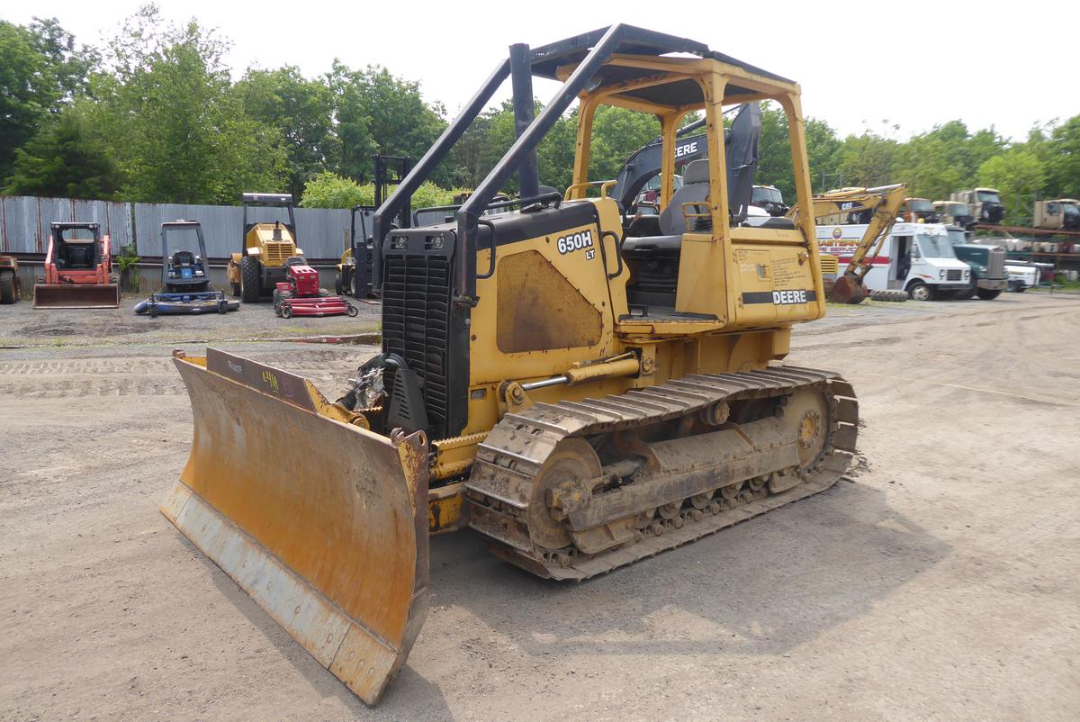
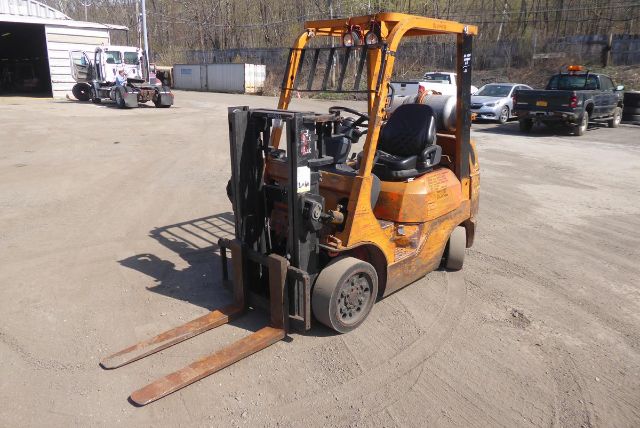
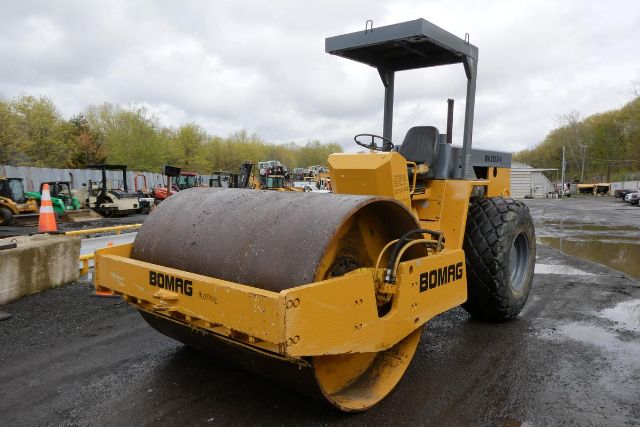
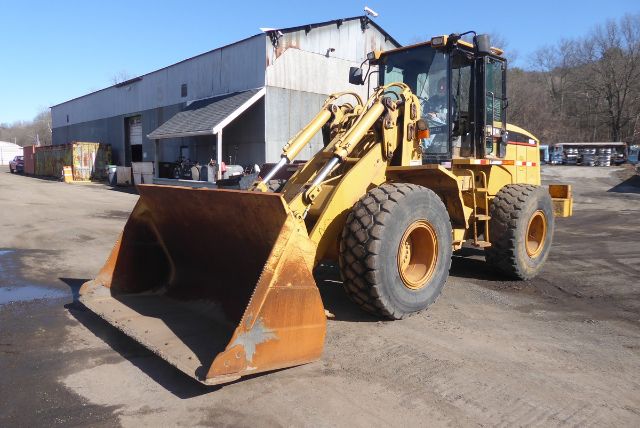
Selling a used 2000 equipment? List your used 2000 equipment for sale and reach thousands of commercial buyers.
Used 2000 Equipment
Condition matters more than brand at this age. A well-maintained 2000 model can outperform a newer neglected unit, but buyers need to inspect wear points closely. Focus on engine blow-by, cold-start behavior, transmission shift quality, driveline vibration, hydraulic leaks where applicable, brake condition, steering play, suspension wear, frame corrosion, and electrical integrity. Cab floors, wiring repairs, air systems, PTO operation, and evidence of past structural repair should all be checked carefully. Mileage and hour readings can help, but service records, component rebuild history, and the overall condition of the chassis usually tell the real story on older used trucking equipment.
Specs vary widely across this category because trucking equipment can include highway tractors, vocational trucks, trailers, and support equipment tied to freight movement. Common buyer decision points include GVWR or GCWR, axle configuration, wheelbase, suspension type, engine rating, transmission type, brake setup, PTO provisions, and body or trailer compatibility. On older units, it is especially important to confirm tire size, brake parts availability, fifth wheel condition, kingpin fitment, hydraulic line routing, lighting compliance, and any modifications made by previous owners. If the equipment will cross state lines, registration class, VIN legibility, and current DOT compliance items should be reviewed before purchase.
The best use case for used 2000 trucking equipment is usually an operation that values function over appearance and can manage maintenance proactively. Buyers should budget for catch-up repairs on hoses, seals, batteries, tires, air valves, lighting, and other age-related wear items even if the unit is currently working. A thorough inspection, fluid sampling when practical, and a realistic estimate of reconditioning cost will usually determine whether an older piece of equipment is a bargain or a liability. When matched to the right job, used 2000 trucking equipment can still deliver dependable service at a fraction of the cost of newer commercial equipment.
Frequently Asked Questions about Used 2000 Equipment
What should I inspect first on used 2000 trucking equipment?
Start with the major systems that determine whether the equipment can work reliably and legally: engine, transmission, axles, brakes, frame, suspension, steering, and electrical system. On a 2000 model, corrosion, air leaks, wiring repairs, worn bushings, fluid seepage, and uneven tire wear often reveal more than cosmetics. If the equipment uses hydraulics or PTO-driven functions, test them under load and inspect hoses, pumps, cylinders, and valve operation. Service records and evidence of component rebuilds can be as important as the odometer reading.
Is 2000 model year trucking equipment still a practical buy?
It can be a practical buy when the application fits the machine's age and condition. Older equipment is often best for short-haul work, farm use, yard service, seasonal work, municipal tasks, or backup fleet needs where lower purchase cost matters more than modern features. The value depends on maintenance history, parts support, and how much reconditioning is needed immediately. Buyers who have shop access or mechanical experience often get the best return from this age range.
Are parts and service harder to find for 2000 trucking equipment?
Parts availability depends on the make, model, engine, transmission, and axle components rather than the year alone. Common platforms from major manufacturers usually have strong aftermarket and salvage support, but certain trim-specific electrical parts, cab pieces, emissions-era transition components, and discontinued vocational body parts can take more effort to source. Before buying, confirm support for wear items, brake components, suspension parts, drivetrain components, and any specialized attachments or body equipment.
How do I judge value on a used 2000 truck or trailer?
Value is based on operating condition, remaining service life, and expected repair cost, not just asking price. A lower-priced unit may need tires, brakes, injectors, air system work, or structural repair that quickly changes the math. Compare similar units by chassis spec, axle setup, powertrain, body type, and maintenance documentation. A pre-purchase inspection and a realistic line-item repair estimate are the best tools for deciding if the equipment is competitively priced.
What is the biggest risk with older used trucking equipment?
The biggest risk is deferred maintenance that is not obvious during a quick walk-around. An older unit may start, move, and appear serviceable while still needing significant work in the air system, cooling system, differential, clutch, suspension, wiring, or hydraulic functions. Rust in structural areas, poor-quality repairs, and undocumented modifications can also create downtime and compliance issues. Buyers should assume some age-related replacement costs and inspect the equipment with that in mind.