
Used 1996 Equipment For Sale in New York
Browse used 1996 trucking equipment for sale in New York, including trucks, trailers, yard support units, and fleet-ready commercial equipment.
Selling a used 1996 equipment? List your used 1996 equipment for sale and reach thousands of commercial buyers.
Used 1996 Equipment in New York
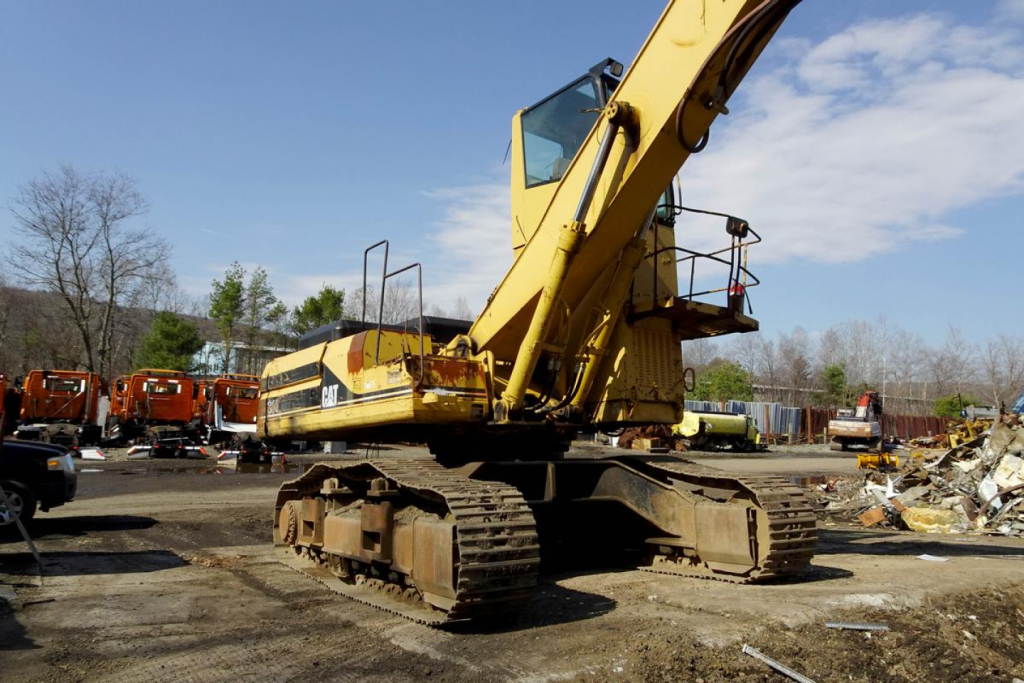
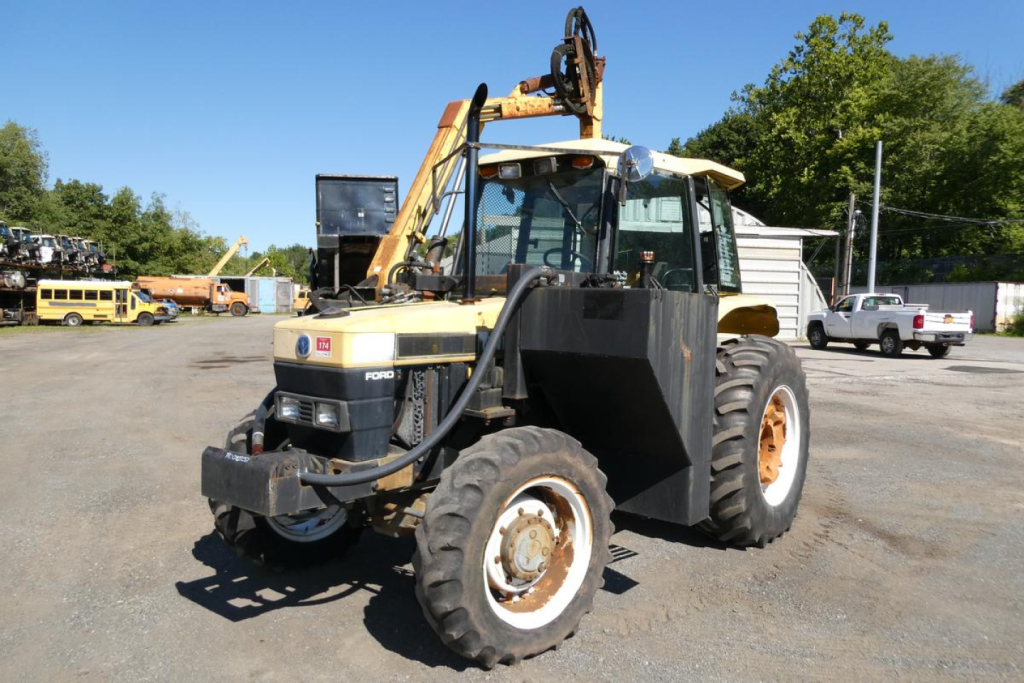
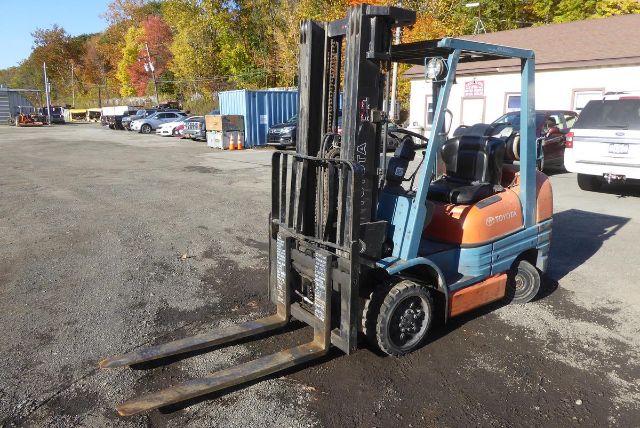
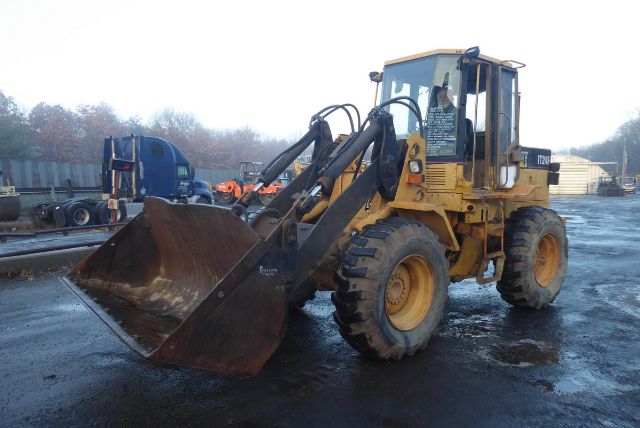
The first buying decision is less about brand and more about use case. For trucking-related equipment from this era, buyers typically focus on core mechanical condition, parts support, and legal operating fit. On trucks, that means engine family, transmission type, axle ratings, wheelbase, and brake setup. On trailers, it means frame condition, floor integrity, suspension, kingpin area, and tire and brake life. On support equipment such as forklifts, loaders, handlers, or yard machines that may appear alongside trucking assets, the important checks are operating hours, mast or boom wear, hydraulic leaks, tire type, lift capacity, and how easily the unit can be serviced. Older equipment can be a strong value when the structure is sound and the machine has not been compromised by corrosion, deferred maintenance, or hard fleet use.
For buyers in New York, rust and cold-weather exposure should be part of every inspection. Frame rails, crossmembers, spring hangers, cab mounts, brake lines, electrical connections, and trailer undersides deserve a close look. If the equipment has been used around ports, scrap, demolition, or winter road treatment, corrosion risk is usually higher. It also helps to confirm registration class, VIN legibility, lighting compliance, tire date codes, and any application-specific requirements tied to DOT use, intrastate hauling, or off-road operation. Many 1996 units remain attractive because they are straightforward to troubleshoot, but age alone makes documentation important. Service records, meter accuracy, prior body or frame repairs, and evidence of component replacement often tell more than the hour meter or odometer.
A smart buyer compares a 1996 unit by total cost to put it to work, not just purchase price. That includes tires, brakes, hydraulic hose replacement, batteries, fluids, starter and charging system health, and any safety items needed before the equipment enters service. If the unit is intended for occasional hauling, yard duty, salvage, export, or backup fleet capacity, an older platform may pencil out well. If it will be expected to run daily in a regulated, high-mile, customer-facing operation, the inspection standard should be much tighter. The best used 1996 trucking equipment is usually the asset with a clear application fit, solid structural condition, and components that can still be sourced without turning routine maintenance into a downtime problem.
Frequently Asked Questions about Used 1996 Equipment in New York
What should I inspect first on used 1996 trucking equipment?
Start with structural condition and driveline health. On trucks and trailers, inspect frame rails, crossmembers, suspension mounts, brake components, steering wear, tire condition, and signs of corrosion or previous repairs. On support equipment such as forklifts or loaders, check the mast or boom, pins and bushings, hydraulic cylinders, hose condition, engine performance, and transmission operation. A 1996 unit can still be productive, but major structural rust or neglected mechanical repairs can erase the price advantage quickly.
Is 1996 trucking equipment a good value compared with newer equipment?
It can be, especially for buyers who need lower upfront cost and do not require the technology or emissions systems found on newer units. Older equipment is often simpler to diagnose and may be suitable for yard work, seasonal use, backup capacity, export, or specialized private-property operations. The value depends on condition, parts availability, and how much reconditioning is needed before the unit can work reliably. A cheap purchase price does not help if the equipment immediately needs tires, brakes, hydraulic work, or driveline repairs.
Are there special concerns when buying used 1996 equipment in New York?
Yes. New York buyers should pay close attention to corrosion from road salt, winter exposure, and marine or industrial environments. Inspect brake lines, electrical wiring, frame sections, suspension hardware, fuel tanks, cab floors, and trailer undersides carefully. It is also important to confirm that the equipment fits the intended registration and operating requirements, especially if it will be used on public roads rather than strictly off-road or on private property.
What kinds of equipment can fall under a used 1996 trucking equipment category?
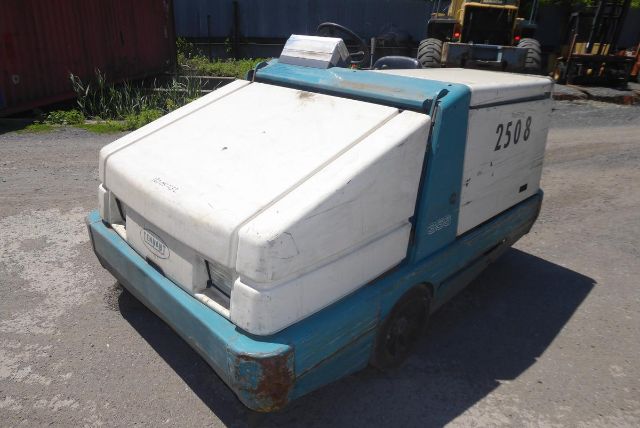
This category can include highway trucks, vocational trucks, trailers, and fleet support machines that help load, move, or stage freight. Depending on the marketplace, that may also include forklifts, loaders, material handlers, and yard equipment used in terminals, warehouses, recycling yards, and construction support operations. Because the category is broad, buyers should filter by actual job requirement first, then compare ratings, dimensions, capacity, and serviceability.
How do I judge whether a 1996 unit is ready to work or only suitable as a project?
A work-ready unit should start and operate consistently, show acceptable fluid condition, have no major active leaks, and pass a practical inspection of brakes, steering, hydraulics, electrical systems, tires, and structural components. Signs that it is more of a project include missing parts, unreliable cold starts, excessive blow-by, major rust scaling, cracked weld areas, inoperative gauges or safety systems, and undocumented repairs. The more specialized the equipment, the more important it is to confirm that wear parts and replacement components are still available through dealers, aftermarket suppliers, or salvage channels.