
Used 1996 Equipment For Sale
Browse used 1996 trucking equipment for sale, including trailers, trucks, shop and yard support equipment built for commercial fleet work.
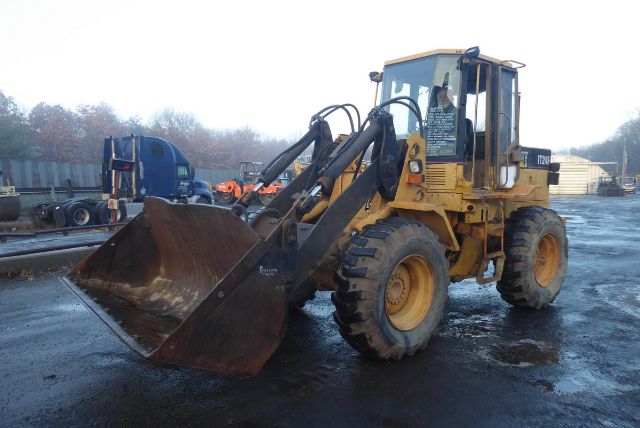
Selling a used 1996 equipment? List your used 1996 equipment for sale and reach thousands of commercial buyers.
Used 1996 Equipment
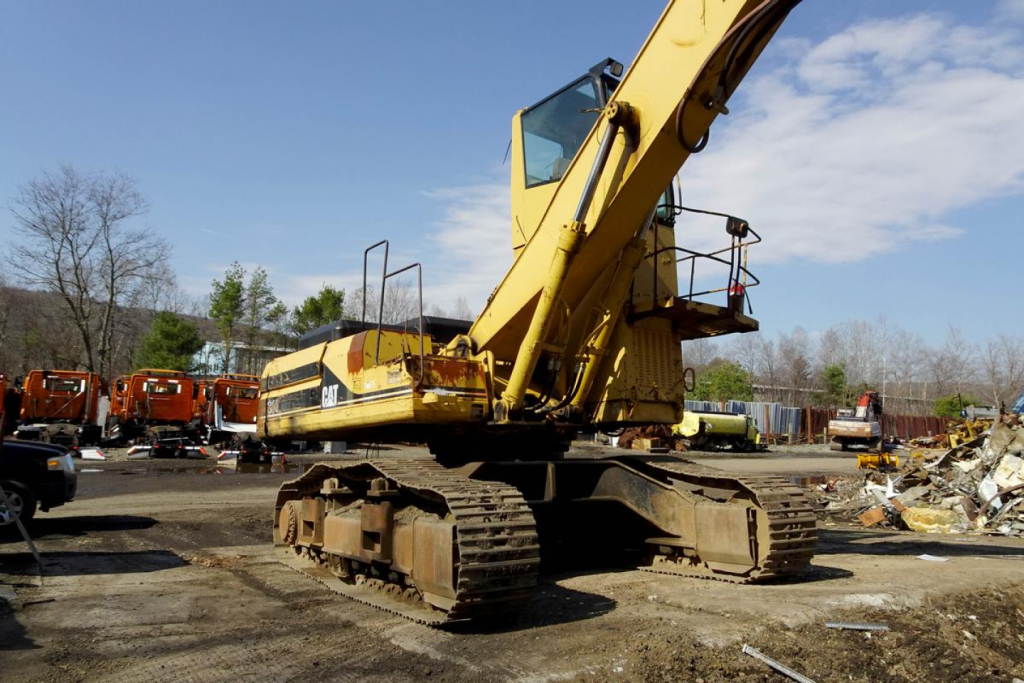
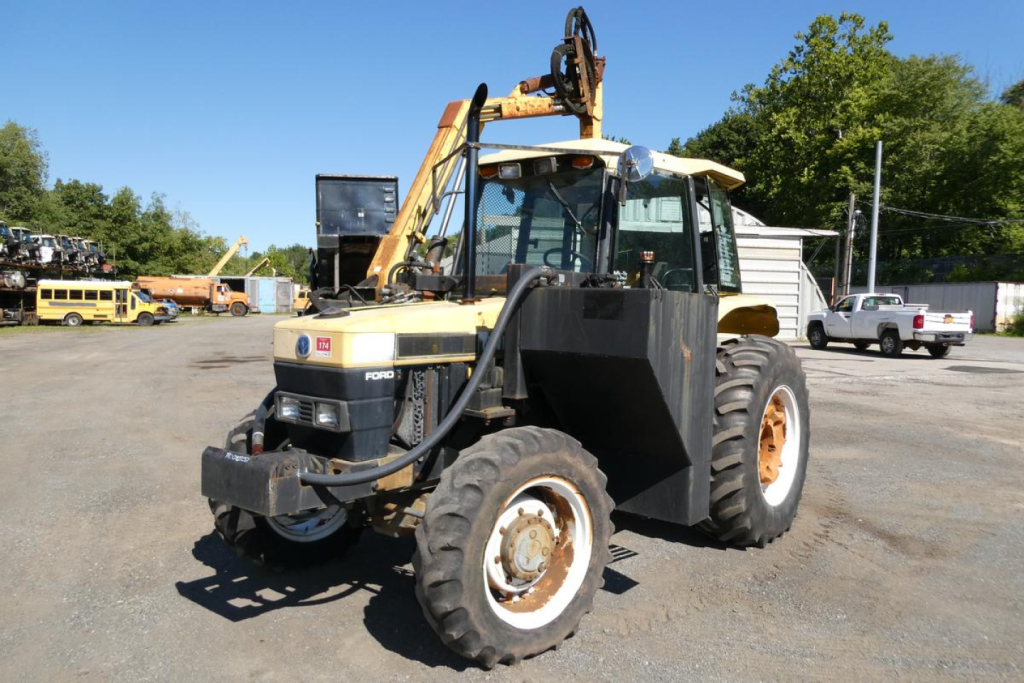
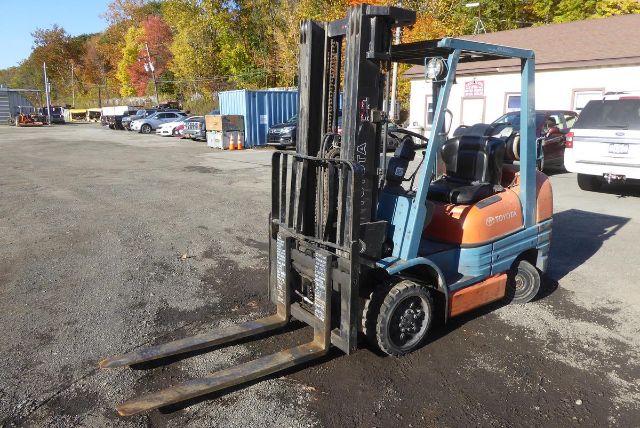
On older trucking equipment, condition matters more than original spec sheet claims. Buyers usually focus on engine health, transmission operation, hydraulic performance where applicable, brake condition, tire or rubber life, structural integrity, and signs of deferred maintenance. For road equipment, that means looking closely at frame condition, suspension wear, driveline vibration, brake chambers, air system leaks, lighting, and any corrosion around crossmembers or mounting points. For support equipment such as forklifts, loaders, or backhoes used around terminals, docks, and yards, pay attention to mast wear, lift chains, cylinder seepage, articulation points, bucket or fork condition, and hour meter credibility. Many 1996-era machines are valued because they are simpler to diagnose and repair than newer emissions-era equipment.
Application should drive the purchase. Some buyers use 1996 trucking equipment as backup fleet capacity, farm and ranch support, yard tractors, loading equipment, or seasonal material-handling assets where annual utilization is modest. In those roles, mechanical simplicity can outweigh cosmetic condition. Buyers operating in regulated over-the-road service should verify current compliance requirements before purchase, especially for safety equipment, emissions rules, registration class, and state inspection standards. Parts support can vary widely by make and model, so it is smart to confirm availability for common service items such as filters, seals, brakes, hydraulic hoses, electrical components, and cab or chassis hardware.
Value in this category usually comes from matching an older unit to a task that does not justify late-model capital cost. A well-maintained 1996 piece of trucking equipment can still perform reliably in a warehouse yard, on private property, at a small fleet shop, or in local support work. Buyers tend to do best when they inspect for leaks, check service records, verify serial and VIN information, confirm operating hours or mileage when available, and budget immediately for catch-up maintenance after purchase. The best used 1996 trucking equipment is not necessarily the cheapest listing. It is the one with the clearest maintenance history, the least structural risk, and the best fit for the work it will actually do.
Frequently Asked Questions about Used 1996 Equipment
Is 1996 trucking equipment still practical to buy for commercial use?
Yes, 1996 trucking equipment can still be practical when it is matched to the right application. Older units are commonly used for backup duty, yard work, warehouse support, farm operations, local hauling, and other lower-mile or lower-hour jobs where mechanical simplicity matters more than the latest technology. The key is to evaluate condition, parts availability, and legal compliance for the intended use rather than judging the equipment by age alone.
What should I inspect first on used 1996 trucking equipment?
Start with the major cost items. On trucks and trailers, inspect the frame, suspension, brakes, tires, driveline, wiring, and signs of corrosion or poor repairs. On forklifts, loaders, and other support equipment, check the engine, transmission, hydraulics, mast or boom wear, pins and bushings, and any cylinder leakage. A cold start, operational test, and review of service records usually tell more about a 1996 unit than appearance does.
Are parts still available for most 1996 trucking equipment?
Parts availability depends heavily on make, model, and component brand. Common maintenance parts such as filters, belts, hoses, brake components, seals, and many electrical items are often still available through aftermarket and specialty suppliers. Harder-to-find items usually include body panels, trim, model-specific electronics, and certain hydraulic or drivetrain components. Buyers should confirm support for the exact engine, transmission, axle, and hydraulic systems before committing.
Does older 1996 equipment have advantages over newer models?
In many cases, yes. A major advantage is mechanical simplicity. Many 1996 machines and trucks have fewer electronic systems and less emissions-related complexity, which can reduce diagnostic time and make repairs easier for independent shops or owner-operators. Purchase price is also typically much lower than late-model equipment. The tradeoff is that older units may need more frequent maintenance and may not fit every regulatory or over-the-road requirement.
What is the best use case for used 1996 trucking equipment?
The best use case is work that values low acquisition cost and straightforward operation over maximum uptime in high-mile service. That includes yard spotting, dock support, light local hauling, seasonal operations, backup fleet roles, and private-property material handling. In these applications, a sound 1996 unit can still deliver solid value if the buyer budgets for initial repairs and verifies that the equipment is structurally and mechanically capable of doing the job.