
Used 1995 Equipment For Sale in New York
Browse used 1995 trucking equipment for sale in New York, including older commercial trucks, trailers, and vocational units built for work.
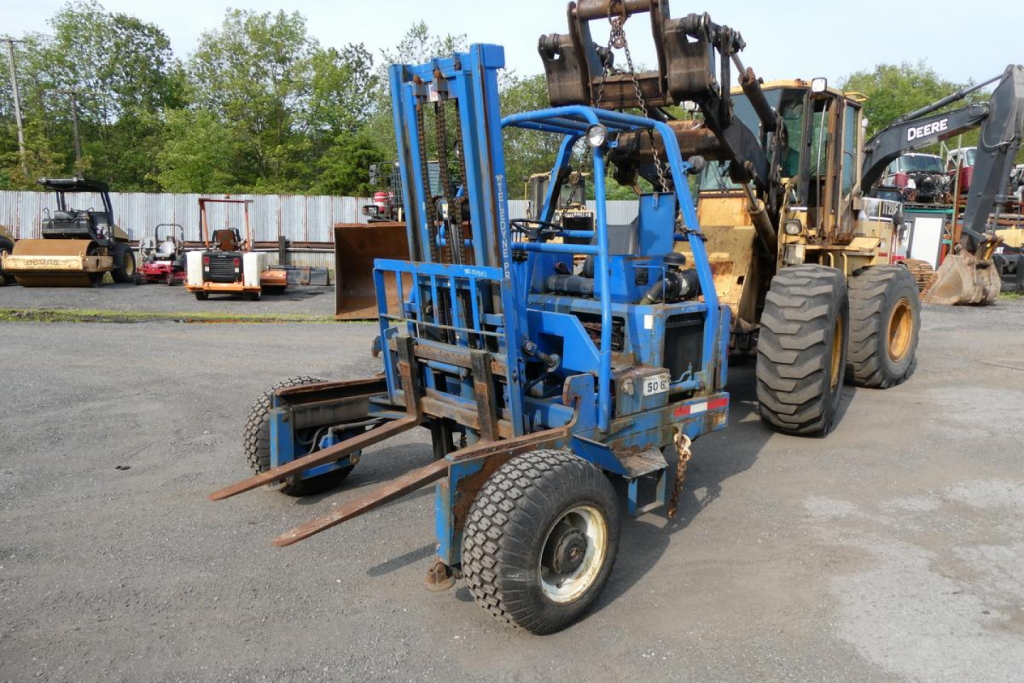
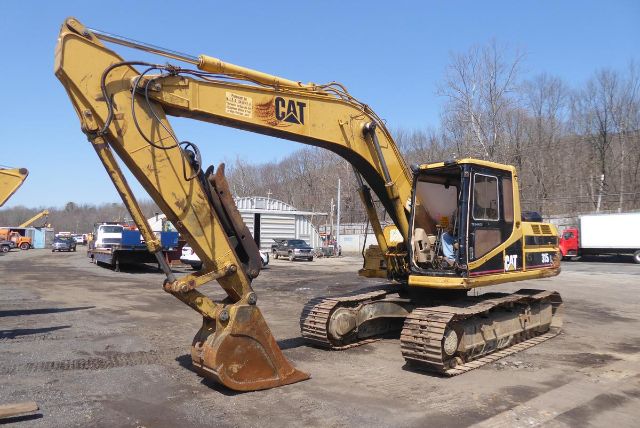
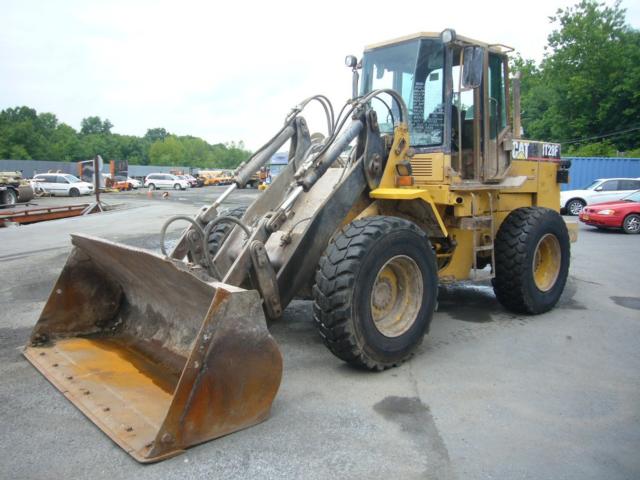
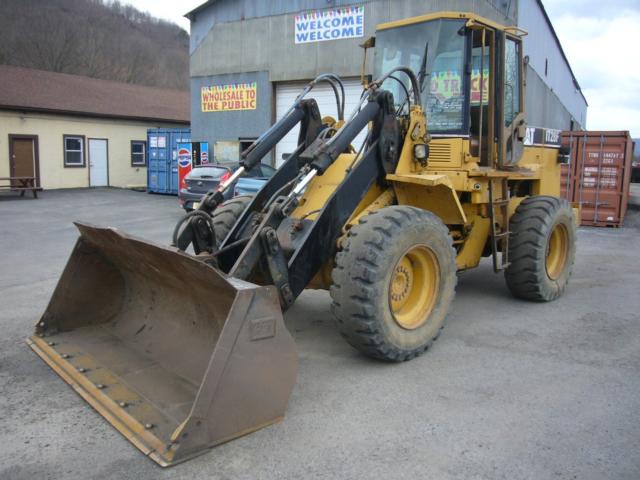
Selling a used 1995 equipment? List your used 1995 equipment for sale and reach thousands of commercial buyers.
Used 1995 Equipment in New York
For 1995 model year trucks, buyers should expect older diesel platforms, more basic cab layouts, and driveline combinations that were built around durability rather than fuel economy targets seen in later equipment. Common checkpoints include frame condition, cab corrosion, suspension wear, brake system type, transmission operation, axle ratios, and evidence of engine or driveline rebuilds. In New York, rust matters as much as mileage or hours. Road salt can affect crossmembers, spring hangers, cab mounts, floors, brake lines, air tanks, wiring, and trailer structure. A clean southern truck from the same year may command more attention than a local unit with similar specs simply because corrosion can drive repair costs fast.
Trailers from the mid-1990s are often judged by structural integrity first. Buyers typically look at floor condition, main rail straightness, kingpin area wear, landing gear function, suspension type, brake hardware, wheel ends, and any signs of cracking around crossmembers or concentrated load points. Depending on the trailer type, details like swing door fitment, roof condition, scuff liners, tire inflation systems, lift axles, sliding tandems, or dump body hoist condition can make a meaningful difference in long-term value. For vocational trucking equipment, hydraulic performance, PTO operation, pump condition, cylinder seepage, and control function usually matter more than appearance.
The best 1995 trucking equipment listings are the ones with enough detail to show how the unit was used and maintained. Buyers should compare engine model, transmission, suspension, wheelbase, GVWR or axle ratings, and any recent work such as tires, brakes, injectors, clutch, wiring, or hydraulic repairs. Older equipment can be a practical buy when the spec matches the job and the inspection is thorough. The goal is not to find a perfect 1995 unit. The goal is to find one with honest condition, serviceable components, and a repair profile that fits your operating budget.
Frequently Asked Questions about Used 1995 Equipment in New York
What should I inspect first on used 1995 trucking equipment in New York?
Start with rust, structural condition, and component support. On trucks, closely inspect the frame rails, crossmembers, cab mounts, floors, brake lines, air system components, suspension hangers, and electrical wiring for corrosion or patchwork repairs. On trailers, focus on the kingpin area, main rails, floor, tandem suspension, landing gear mounts, and brake hardware. In New York, winter exposure can age a 1995 unit faster than mileage alone suggests, so corrosion often tells more than the odometer.
Is 1995 trucking equipment too old for commercial use?
Not necessarily. Suitability depends on the application, local regulations, and the unit's mechanical condition. Many 1995 trucks and trailers still work well in lower-mileage, seasonal, farm, yard, export, or off-road support roles. The key is to confirm parts availability, inspect for deferred maintenance, and match the equipment to a job that does not require the productivity, compliance features, or driver amenities expected from newer model years.
What are the advantages of buying used 1995 trucking equipment?
The main advantages are lower purchase price, simpler systems, and easier field service on many older platforms. Equipment from this era often has less electronic complexity, which can appeal to buyers who handle their own maintenance or operate in environments where basic mechanical reliability matters more than late-model features. For the right operation, a sound 1995 unit can offer strong value if the driveline, structure, and major working systems are still serviceable.
What problems are most common on 1995 trucks and trailers?
Common issues include corrosion, worn suspensions, air leaks, brake system wear, electrical faults, tired interiors, drivetrain seepage, and signs of previous hard vocational use. On trailers, buyers often find floor damage, cracked welds, kingpin wear, roof or door seal issues, and aging wheel-end or ABS components where equipped. On vocational trucks and hydraulic equipment, seepage at cylinders, pump wear, PTO issues, and control valve problems are also typical concerns.
How do I judge value on used 1995 trucking equipment?
Value comes from condition, specification, and expected repair cost, not just age. Compare the engine and transmission combination, axle ratings, wheelbase, body or trailer configuration, tire condition, brake life, and recent maintenance history. A well-kept 1995 unit with documented repairs, solid structure, and a workable spec can be worth more than a cheaper unit that needs immediate brakes, tires, hydraulic work, wiring repair, and rust remediation.