
Used 1987 Equipment For Sale in New York
Browse used 1987 trucking equipment for sale in New York, including older commercial trucks, trailers, vocational units, and work-ready fleet equipment.
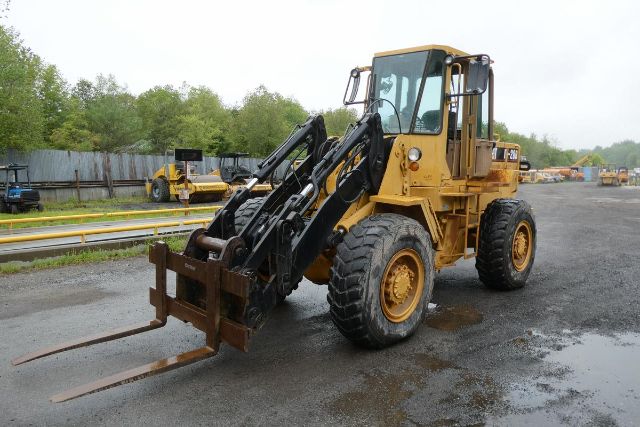
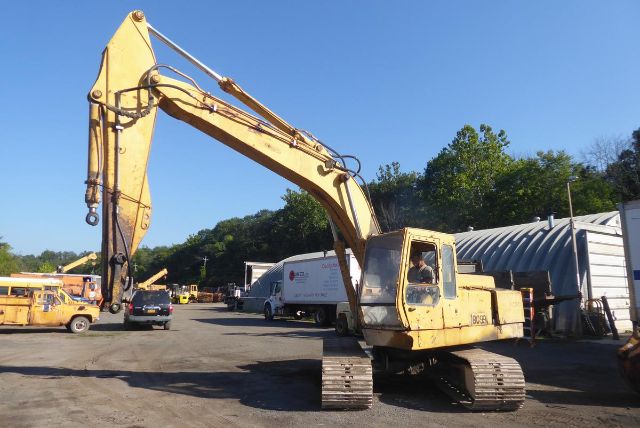
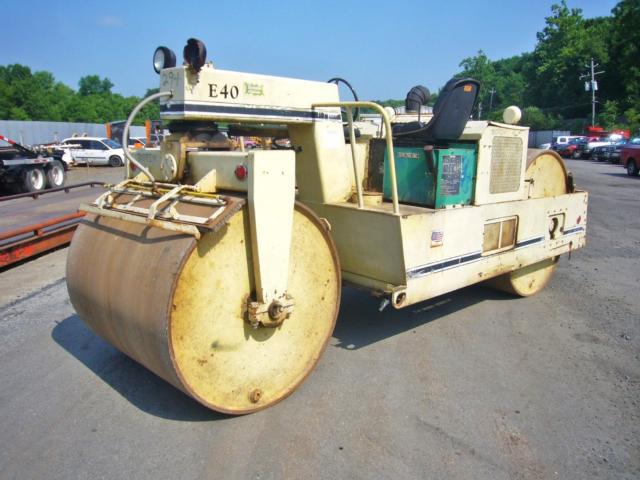
Selling a used 1987 equipment? List your used 1987 equipment for sale and reach thousands of commercial buyers.
Used 1987 Equipment in New York
The first decision is usually application. In the trucking equipment category, a 1987 unit could include highway tractors, straight trucks, dump trucks, service trucks, dry vans, flatbeds, lowboys, tanker trailers, or vocational bodies. For New York use, rust and corrosion deserve close attention, especially on frames, crossmembers, suspension hangers, cab floors, door bottoms, trailer rails, and brake plumbing. A clean older truck from a dry-storage or light-duty background can be a better buy than a newer unit with severe corrosion. If the equipment is a trailer, inspect kingpin wear, landing gear operation, floor condition, scuff liners, door hardware, roof bows, and axle alignment. If it is a truck, pay close attention to engine blow-by, transmission engagement, rear-end noise, steering play, spring or air suspension condition, brake balance, and evidence of frame repairs.
Because 1987 equipment is now well into legacy status, buyers should verify how it fits their operating environment before purchase. Registration class, title history, VIN legibility, DOT compliance items, lighting, brake system condition, tire date codes, and emissions-related rules can all affect usability. In New York, axle ratings, bridge law considerations, and route type matter if the equipment will work in dense urban areas, on state roads, or in upstate seasonal hauling. Older tractors may also have limited compatibility with newer trailer electrical setups unless they have been updated. On vocational units, PTO operation, hydraulic leaks, hoist wear, pump response, and body mount integrity are often more important than cosmetics.
A good used 1987 trucking equipment purchase is usually defined by documentation and upkeep. Maintenance records, prior fleet ownership, evidence of engine or transmission work, brake service history, and tire replacement dates can tell you more than the odometer on an older unit. Buyers looking at this year range should prioritize mechanical condition, structural soundness, and parts availability for the specific make and model. When those basics check out, older trucking equipment can still serve well in backup duty, private fleet use, agricultural hauling, local delivery, and specialized vocational work where simplicity and low capital cost matter most.
Frequently Asked Questions about Used 1987 Equipment in New York
What should I inspect first on used 1987 trucking equipment?
Start with structural and mechanical fundamentals. On trucks, inspect the frame, cab mounts, suspension, brakes, driveline, steering components, and signs of engine or transmission problems. On trailers, focus on frame rails, crossmembers, kingpin area, landing gear, brake system, suspension, tires, and floor condition. Because 1987 equipment is older, corrosion, previous repairs, and parts substitutions often matter more than appearance.
Is 1987 trucking equipment still practical for commercial use in New York?
It can be practical if the equipment matches the job and current regulatory requirements. Older units are often best suited for local hauling, farm work, yard service, seasonal operations, backup fleet use, or private property applications. Buyers should confirm title status, VIN readability, lighting, brake compliance, registration requirements, and any emissions or inspection rules that apply to their intended operation in New York.
Are parts still available for 1987 commercial trucks and trailers?
Parts availability depends heavily on the make, model, engine, transmission, and axle specifications. Common legacy drivetrains and standard trailer components are often easier to support than orphaned vocational systems or uncommon body equipment. Before buying, it is smart to identify the engine family, transmission model, brake configuration, suspension type, and major hydraulic components so you can confirm aftermarket and salvage-yard support.
What makes an older 1987 unit a better buy than a newer one?
A well-maintained older unit can be a better value if it has a solid frame, good service history, dependable mechanicals, and the right specification for the work. Simpler systems can reduce diagnostic complexity and repair cost, especially for owner-operators, farms, and small fleets with in-house maintenance capability. A neglected newer unit with severe corrosion, electronic faults, or expensive aftertreatment issues can be a worse investment than a clean, properly maintained 1987 truck or trailer.
How important is prior use when evaluating 1987 trucking equipment?
Prior use is critical because duty cycle affects wear patterns more than age alone. A lightly used municipal, farm, or seasonal unit may show less drivetrain fatigue than equipment that spent decades in heavy hauling or urban stop-and-go service. Fleet maintenance records, PTO hours, body wear, suspension condition, brake history, and signs of repeated overloading can help reveal how hard the equipment has actually worked.