
Used 1987 Equipment For Sale
Browse used 1987 trucking equipment for sale, including older commercial units, vocational trucks, trailers, and fleet-ready project equipment.
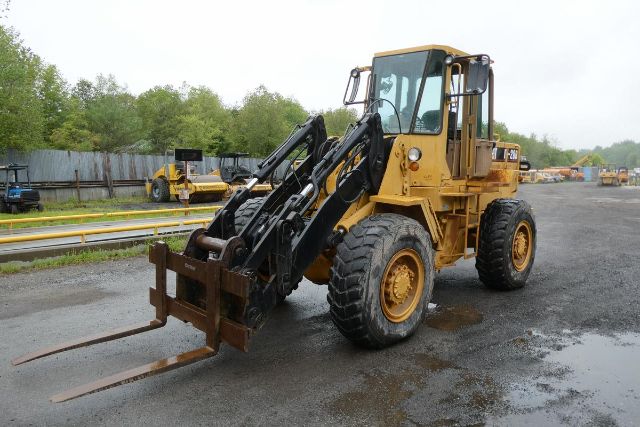
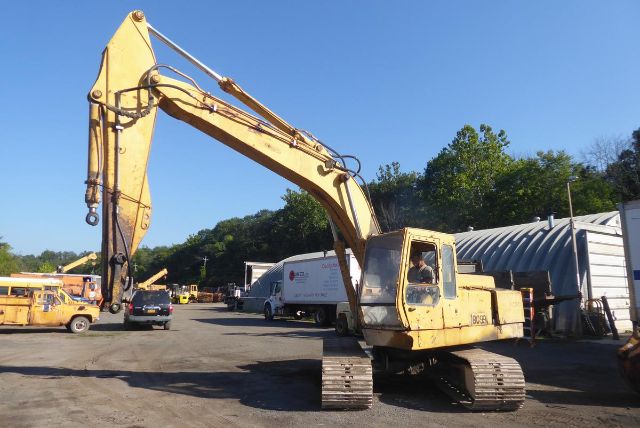
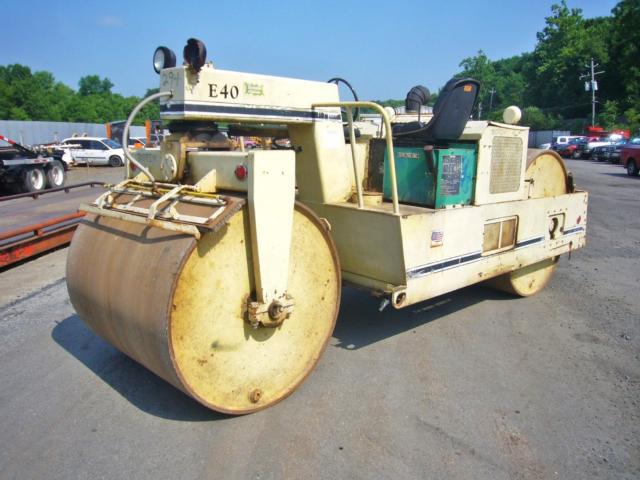
Selling a used 1987 equipment? List your used 1987 equipment for sale and reach thousands of commercial buyers.
Used 1987 Equipment
At the 1987 model year, equipment specs vary widely by class. On-road trucks from this era often feature mechanical diesel engines, manual transmissions, steel spring or air ride suspensions, and simpler electrical systems that many owner-operators and fleet mechanics still know how to diagnose. Common buying checkpoints include engine blow-by, cold-start behavior, transmission synchros, differential noise, steering box play, spring hanger wear, air leaks, and evidence of frame repairs or corrosion. On trailers and vocational bodies, pay close attention to crossmembers, floor condition, landing gear operation, brake drums, S-cams, wiring, and signs of past overloading.
Application should drive the purchase decision. A used 1987 day cab, conventional truck, dump truck, flatbed truck, van trailer, lowboy, or other commercial unit may still be a practical fit when annual miles are limited and downtime can be managed in-house. Older trucking equipment is also commonly bought for parts, restoration, chassis swaps, or conversion projects. If the equipment will be used in regulated interstate service, confirm current DOT requirements, brake compliance, lighting, tire date codes, VIN legibility, and any state or local emissions restrictions before purchase. Registration rules, weight ratings, and title status can be just as important as the mechanical condition.
The strongest value in used 1987 trucking equipment usually comes from honest condition and serviceability. A well-kept older unit with documented repairs, available replacement parts, and a clear operating role can outperform a cheaper truck that needs major brake, engine, or structural work. Buyers should compare axle ratings, GVWR, wheelbase, engine family, PTO setup, body configuration, and overall drivability against the intended job. At this age, inspection discipline is everything. A thorough walkaround, fluid check, undercarriage review, and road test will tell you far more than the model year alone.
Frequently Asked Questions about Used 1987 Equipment
Is 1987 trucking equipment still practical to buy for work use?
Yes, used 1987 trucking equipment can still be practical when it matches a limited-duty or specialized application. Older commercial trucks and trailers are often used for farm work, private property use, local hauling, export, parts support, or seasonal jobs where low purchase price matters more than modern features. The key is to buy based on actual mechanical condition, structural soundness, and parts availability rather than age alone.
What should I inspect first on used 1987 trucking equipment?
Start with the frame, engine, transmission, brakes, suspension, tires, and electrical system. On trucks, look for rust through, patched frame rails, oil and coolant leaks, excessive blow-by, driveline vibration, worn steering components, and air brake leaks. On trailers, inspect crossmembers, floor condition, suspension mounts, brake hardware, wiring, and landing gear. At this age, neglected maintenance is usually a bigger risk than mileage or hours.
Are parts still available for 1987 commercial trucks and trailers?
Parts availability depends on the make, model, engine, and component suppliers used on the equipment. Many 1987 units were built with widely supported drivetrain and brake components, which can make them easier to keep running than some buyers expect. Engine internals, brake parts, bearings, seals, suspension pieces, and universal electrical items are often still obtainable, while trim, cab parts, and model-specific pieces can be harder to source.
Can a 1987 truck be used for interstate hauling?
It can be, but buyers need to verify compliance before putting it into service. Brake system condition, lights, tires, safety equipment, VIN readability, registration class, and weight ratings all need to meet current operating requirements. Depending on the truck and the jurisdiction, emissions rules, inspection standards, and carrier requirements may limit where and how an older unit can be used. A pre-purchase DOT-style inspection is a smart step.
Why do some buyers prefer older mechanical trucking equipment?
Many buyers prefer older mechanical trucks because they are simpler to diagnose, easier to repair without factory software, and often cheaper to buy up front. Mechanical diesel engines, manual transmissions, and straightforward wiring can be an advantage for owner-operators, farm operations, and fleets with in-house maintenance capability. That simplicity does not eliminate repair risk, but it can reduce dependency on electronic diagnostics and expensive emissions components.