
Used Skid Steer Loaders For Sale in New York
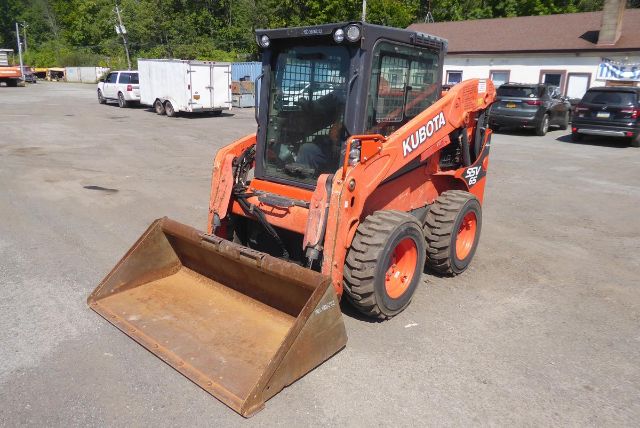
Browse used skid steer loaders for sale in New York. Compare cab styles, rated capacity, hydraulic flow, tires or tracks, and attachment setup.
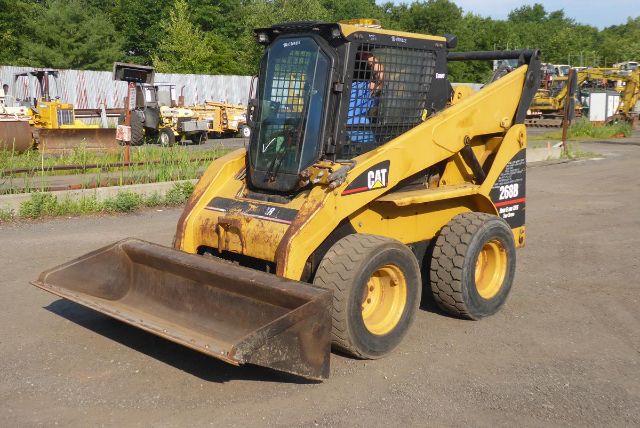
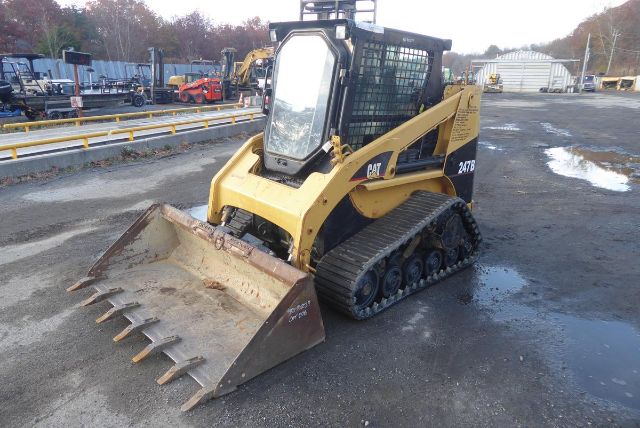
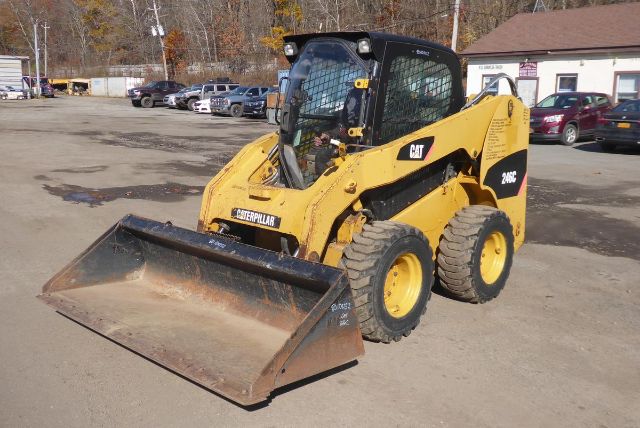
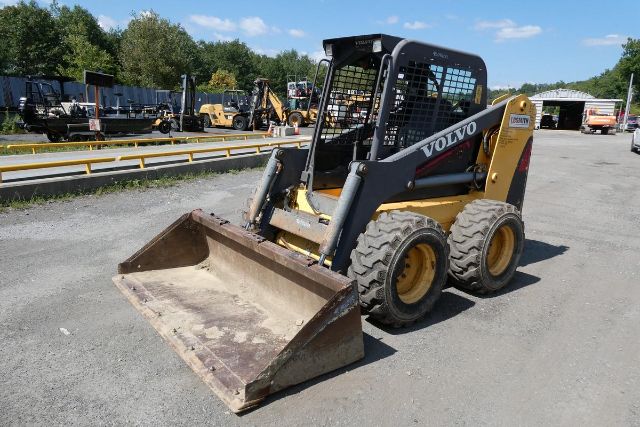
Selling a used skid steer loaders? List your used skid steer loaders for sale and reach thousands of commercial buyers.
Used Skid Steer Loaders in New York
Most used skid steer loaders in this size range fall around 60 to 85 horsepower, with operating weights commonly in the 7,000 to 9,000 pound range. Hydrostatic drive is standard, and many machines are equipped with auxiliary hydraulics for grapples, augers, trenchers, cold planers, sweepers, and snow blowers. High-flow hydraulics are especially important if the machine will run demanding attachments rather than just a bucket or forks. Quick-attach systems vary between manual, hydraulic, and electric-over-hydraulic setups, so attachment changes can be faster on some units than others. Cab configuration also matters. An enclosed cab with heat and air conditioning has real value for snow work, municipal work, and year-round operation in the Northeast.
Condition matters more than age alone on a used skid steer loader. Hour meter readings help, but buyers should also inspect pins and bushings, boom arm alignment, bucket fitment, cylinder leakage, chain case condition, tire wear or track condition, and the response of the hydrostatic drive under load. On tracked machines, check rollers, sprockets, track tension, and undercarriage wear because those repair costs add up quickly. On wheeled units, tire size and tread condition affect traction, flotation, and replacement cost. If the machine has auxiliary hydraulic lines, verify the couplers, hose routing, and flow performance. A loader that starts cleanly, tracks straight, lifts smoothly, and shows dry hydraulics can be a better buy than a newer unit with neglected maintenance.
Skid steer loaders are also known simply as skid steers, and they remain one of the most versatile compact equipment categories on the market. The compact footprint allows work in barns, alleys, residential lots, warehouses, and crowded commercial sites where larger loaders cannot maneuver. Common bucket widths run roughly 66 to 84 inches, and typical dump or loading heights are enough for trucks, hoppers, and material stockpiles in many applications. For buyers sorting through used options, the best approach is to match the machine to the attachment package, lifting demands, and ground conditions first, then compare engine power, cab comfort, service access, and overall wear. That process usually narrows the field faster than shopping by brand or model year alone.
Frequently Asked Questions about Used Skid Steer Loaders in New York
What should I check first on a used skid steer loader?
Start with the hydraulic system, drive performance, and structural wear points. Check for dry cylinders, smooth lift and tilt functions, strong auxiliary hydraulic performance, and a hydrostatic drive that responds evenly in both directions. Inspect pins, bushings, loader arms, quick-attach fit, tires or tracks, and any signs of frame damage or poor repairs. Hour meter readings are useful, but overall condition and maintenance history are usually more important than age alone.
Is a wheeled skid steer or a track machine better for New York jobs?
A wheeled skid steer is often the better choice for pavement, hard-packed yards, indoor work, and applications where lower purchase and maintenance cost matter. A track machine usually performs better in mud, soft soil, landscaping, and sites where flotation is critical. In New York, snow contractors, landscapers, and site crews often choose based on seasonal ground conditions. Tracks can improve traction and reduce rutting, but they also bring undercarriage wear costs that should be considered on a used machine.
How important is high-flow hydraulics on a skid steer loader?
High-flow hydraulics matter when the machine will power demanding attachments such as snow blowers, cold planers, forestry heads, trenchers, or some larger brush cutters. For basic bucket work, pallet forks, light grapples, and many general-purpose attachments, standard auxiliary hydraulics may be enough. Buyers should match the machine's hydraulic flow and pressure to the attachment requirements before purchasing. A skid steer with the wrong hydraulic package can limit productivity even if the engine and lift capacity are adequate.
What is a typical horsepower and weight range for a used skid steer loader?
Many used skid steer loaders on the market fall in the 60 to 85 horsepower range and weigh roughly 7,000 to 9,000 pounds, though both smaller and larger units are common. That range covers many general construction, landscape, farm, and snow applications. Rated operating capacity, tipping load, and lift design are just as important as horsepower because they determine how the machine performs with buckets, forks, and hydraulic attachments.
Does an enclosed cab add value on a used skid steer?
Yes, especially in regions with cold winters, long operating days, or dust-heavy work. An enclosed cab with heat and air conditioning improves operator comfort, helps productivity, and can make the machine more suitable for snow removal, municipal work, and year-round use. On a used loader, buyers should confirm that the HVAC system, glass, door seals, wipers, and controls all function correctly because cab repairs can be expensive.