
Used Caterpillar Skid Steer Loaders For Sale in New York
Shop used Caterpillar skid steer loaders in New York. Compare Cat wheeled and tracked models, lift capacity, hydraulics, cab options, and condition.
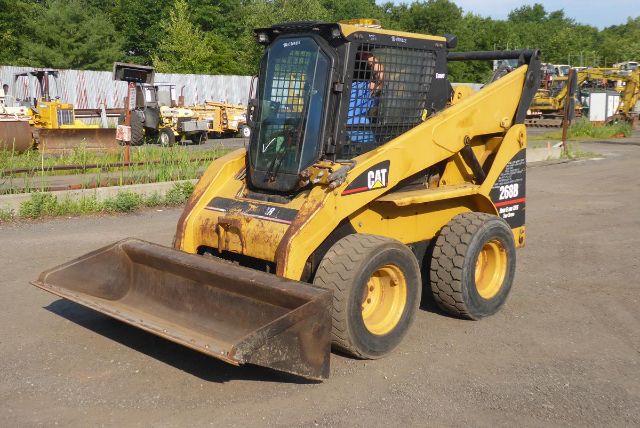
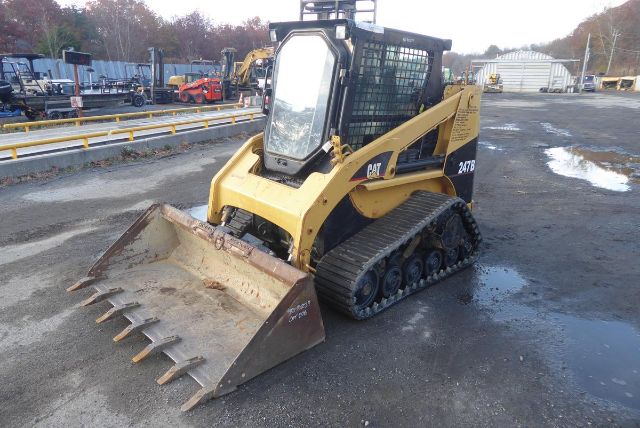
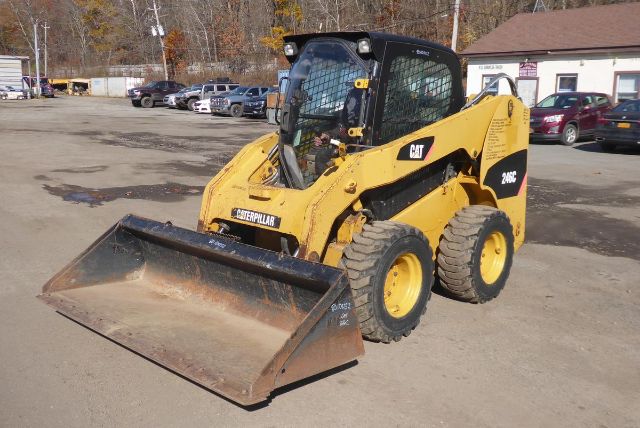
Selling a used caterpillar skid steer loaders? List your used caterpillar skid steer loaders for sale and reach thousands of commercial buyers.
Used Caterpillar Skid Steer Loaders in New York
The most important buying decisions usually come down to rated operating capacity, hydraulic flow, machine weight, and lift path. Many used Caterpillar skid steer loaders fall in the roughly 70 to 80 horsepower range, with operating weights that can run from around 7,000 pounds to well over 8,500 pounds depending on frame size, cab configuration, and whether the machine is wheeled or tracked. High Flow auxiliary hydraulics matter if you plan to run cold planers, forestry heads, snow blowers, trenchers, or other demanding attachments. Standard-flow machines can still be a strong choice for buckets, forks, grapples, augers, and light brush cutters. Buyers should also confirm bucket width, tire size or track width, overall machine width, and machine height, especially for work in older New York commercial sites, barns, parking garages, and residential access points.
On used Cat skid steers, condition matters as much as model number. Check for boom arm straightness, bucket alignment, play in pins and bushings, cylinder leaks, and quick coupler wear. Verify that the auxiliary hydraulics engage correctly and that the machine tracks straight under load. On wheeled machines, inspect tire condition, sidewall damage, and chain case performance. On tracked units, pay close attention to track wear, bottom rollers, sprockets, idlers, and any signs of undercarriage neglect. Cab equipment can also affect value and year-round usefulness in New York. Enclosed cabs, heat, air conditioning, and electric-over-hydraulic quick couplers are especially desirable for snow removal and municipal-type work.
Caterpillar skid steer loaders are also known as skid loaders or skid steers, and they stay popular on the used market because parts support and attachment compatibility are generally strong. A clean used machine with documented hours, working gauges, responsive controls, and healthy hydraulics can handle grading, pallet work, demolition cleanup, feed handling, and winter service without needing the footprint of a larger loader. When comparing listings, focus less on paint and more on service access, cold-start behavior, hydraulic response, and how the machine carries a load at full operating temperature. Those details usually tell you more about remaining value than the decal on the lift arm.
Frequently Asked Questions about Used Caterpillar Skid Steer Loaders in New York
What should I look for when buying a used Caterpillar skid steer loader?
Start with the structure and hydraulics. Inspect the boom arms for bends, check bucket alignment on level ground, and look for excessive play in pins and bushings. Verify that lift and tilt cylinders are dry, the quick coupler locks securely, and the auxiliary hydraulics function properly. On a test drive, the machine should start cleanly, steer evenly, lift smoothly, and maintain power when hot. Service records, hour meter credibility, and visible undercarriage or tire condition often matter more than cosmetics.
What is the difference between a Caterpillar wheeled skid steer and a Cat tracked loader?
A wheeled Caterpillar skid steer loader is typically better on pavement, concrete, and hard-packed yards where lower operating cost and easier transport matter. A Cat tracked loader, often searched alongside skid steers, spreads weight better and usually performs better in mud, snow, soft topsoil, and uneven terrain. Tracks can improve flotation and pushing performance, but undercarriage repair costs are higher than tire replacement, so the jobsite surface should drive that decision.
Is High Flow hydraulics important on a used Cat skid steer?
High Flow is important if you plan to run attachments that need more hydraulic volume, such as snow blowers, planers, trenchers, mulchers, and some heavy-duty cutters. If your main work is buckets, pallet forks, grapples, light augers, or basic material handling, standard auxiliary hydraulics may be enough. Before buying, match the machine's hydraulic rating to the attachment requirements rather than assuming every skid steer can run every tool effectively.
Are enclosed cab Caterpillar skid steers worth paying more for in New York?
In many cases, yes. An enclosed cab with heat is a major advantage for snow removal, winter site work, and long operating days in cold weather. Air conditioning also adds value for summer landscape and construction use. Beyond operator comfort, enclosed cabs can help reduce fatigue and improve productivity, so they often hold their value well in regions with four-season use like New York.
How many hours is too many on a used Caterpillar skid steer loader?
There is no single cutoff because maintenance history and application matter more than the number alone. A well-maintained machine with higher hours can be a better buy than a low-hour unit that has poor service history, structural damage, or neglected hydraulics. As hours increase, pay closer attention to engine response, hydrostatic drive performance, loader arm wear points, and any signs that the machine was used heavily in demolition, hammer work, or other high-stress applications.