
2012 Recyclings For Sale in New York
Shop 2012 recycling equipment for scrap, demolition, and material handling jobs, including handlers, magnets, grapples, and related machines.
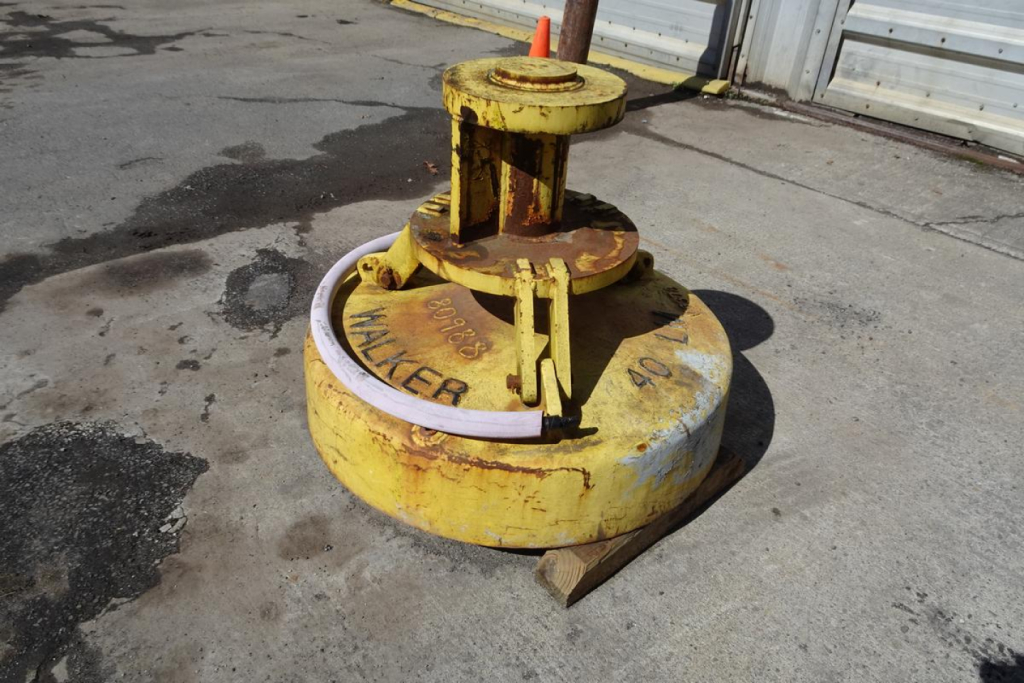
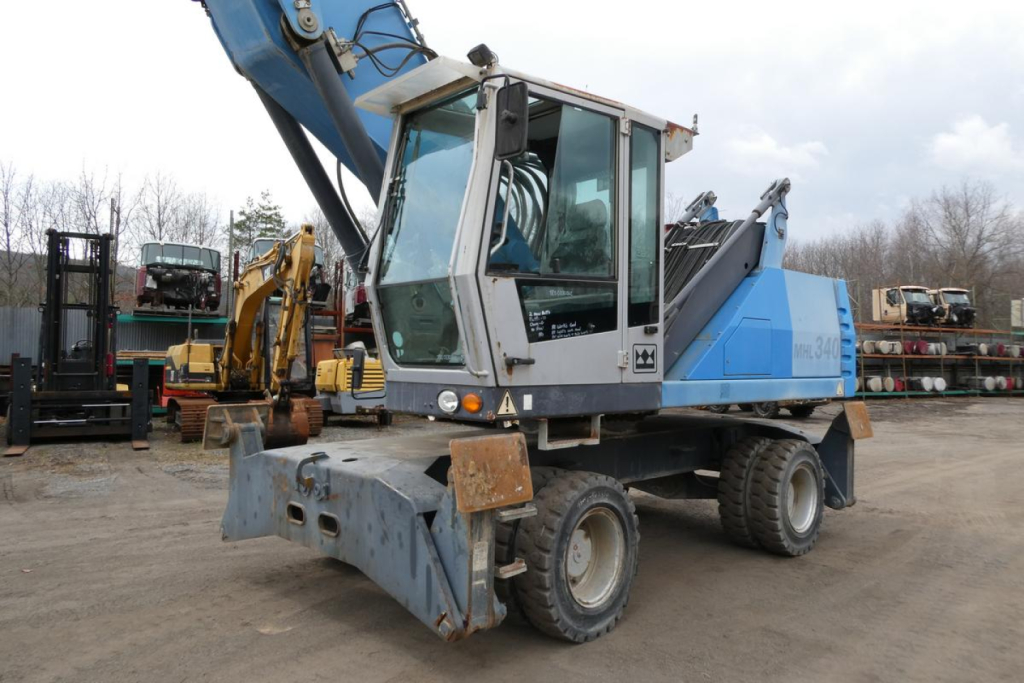
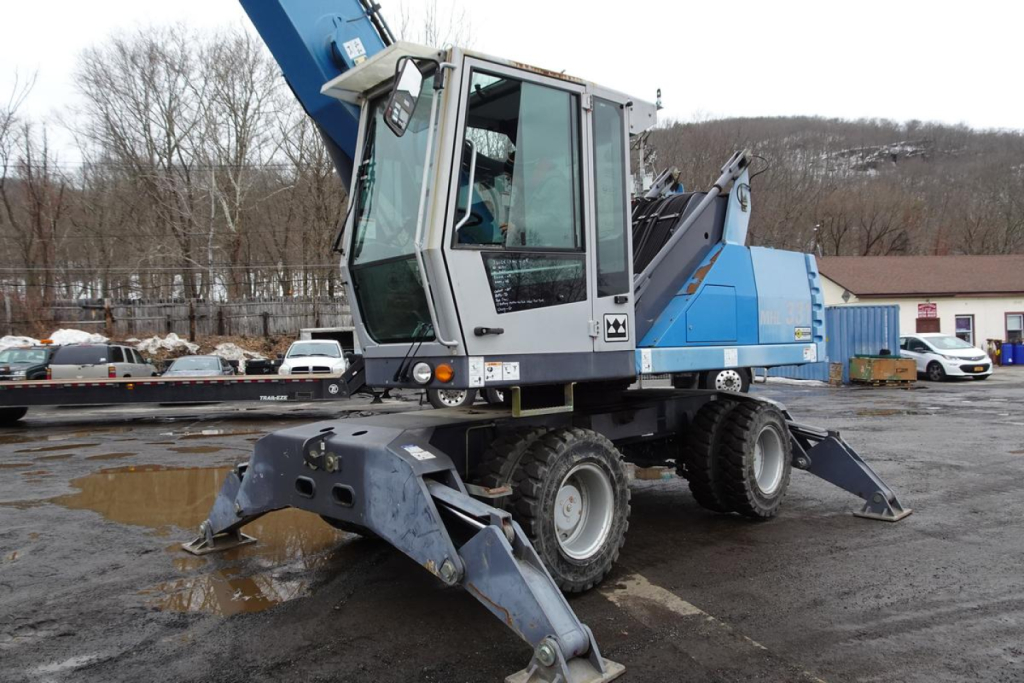
Selling a 2012 recycling? List your 2012 recycling for sale and reach thousands of commercial buyers.
2012 Recyclings in New York
For scrap and yard work, reach and attachment support are usually the first decisions. Many 2012 recycling machines were built around 30-foot to 45-foot working reach, hydrostatic travel, elevated or hydraulic cab risers, and generator packages for magnets. A wheeled material handler is often the right fit for paved yards, transfer stations, and high-cycle loading because it can reposition quickly and operate from outriggers for stability. A tracked machine may make more sense for rough ground, demolition debris, or heavier shear work. Common attachment setups include orange-peel grapples, sorting grapples, plate magnets, and steel shears. Buyers should confirm auxiliary hydraulics, rotator plumbing, generator output, stick-end geometry, and pin size before assuming an attachment swap will be simple.
Condition on used 2012 recycling equipment should be evaluated differently than on general construction iron. Hours matter, but service history and structural wear matter more. Check boom nose play, stick bushings, turntable bearing movement, outrigger function, cab riser operation, cooling system condition, and the health of the hydraulic pumps and main valve bank. On magnet machines, verify generator operation under load and inspect wiring, reel condition, and controls. On wheeled handlers, tire size, axle condition, steering components, and brake performance are key cost items. In New York and the broader Northeast, cold-weather starts, corrosion, and hard use in scrap environments make cab condition, electrical reliability, and cylinder seepage especially important.
A 2012 model year often appeals to buyers who want modern operator features without late-model pricing. Machines from this period commonly offer enclosed cabs, heat, air conditioning, backup cameras, adjustable cabs, and better visibility than older scrap handlers. The best value usually comes from matching the machine to the material stream. Lighter ferrous and non-ferrous sorting can justify a smaller wheeled handler with a magnet or grapple. Heavy steel processing and demolition cleanup usually call for more operating weight, longer stick options, and stronger attachment capacity. When comparing listings, pay close attention to operating weight, engine horsepower, undercarriage or tire setup, boom and stick dimensions, generator specs, and included attachments, because those details have a direct impact on production and transport cost.
Frequently Asked Questions about 2012 Recyclings in New York
What types of machines are usually included in 2012 recycling equipment listings?
This category commonly includes wheeled material handlers, tracked excavators set up for scrap or demolition work, magnet-ready machines, and standalone recycling attachments such as magnets, grapples, and shears. Many 2012 units were configured specifically for scrap yards with elevated cabs, outriggers, hydrostatic systems, and generator packages. The exact machine type matters because a scrap handler built for high-reach loading is very different from a standard excavator fitted with a grapple.
Is a wheeled material handler better than a tracked machine for recycling work?
A wheeled material handler is usually the better choice for paved scrap yards, transfer stations, and applications that require frequent repositioning, long reach, and stable loading from outriggers. A tracked machine is often better on uneven ground, demolition sites, or jobs that involve heavier attachments and rough terrain. The right choice depends on surface conditions, cycle time, travel needs, and whether the machine will spend most of its time sorting, loading, or processing material.
What should I inspect first on used 2012 recycling equipment?
Start with structure, hydraulics, and attachment systems. Check the boom, stick, boom foot, turntable bearing, cylinders, hydraulic pumps, and main control valve for wear or leakage. On wheeled units, inspect axles, steering, brakes, tires, and outriggers. On magnet-equipped machines, confirm generator output and magnet function under load. In recycling applications, these components usually tell you more about the machine's value than paint, cab trim, or other cosmetic items.
Are 2012 recycling machines old enough to create emissions or parts concerns?
That depends on the engine make, horsepower range, and emissions package. Many 2012 machines fall into an era where emissions systems became more complex, so buyers should identify the exact engine model and confirm whether the unit uses EGR, DPF, SCR, or a simpler setup. Parts support is still strong for many major brands, but attachment electronics, cab components, and model-specific hydraulic parts can vary. It is smart to verify dealer and aftermarket support before buying a specialized machine.
Do included attachments significantly change the value of a 2012 recycling machine?
Yes. A machine sold with a working grapple, rotator, magnet generator, plate magnet, or shear-ready plumbing can be worth substantially more than a bare machine. The value depends on attachment size, brand, wear condition, and how well the attachment matches the carrier. A properly matched attachment package can save considerable setup time and fabrication cost, while a mismatched one may add little real value if couplers, pin dimensions, hydraulic flow, or electrical systems do not line up.