
2012 Recyclings For Sale
Browse 2012 recycling equipment including material handlers, scrap magnets, and shears. Compare reach, hydraulic setup, weight, and power.
Selling a 2012 recycling? List your 2012 recycling for sale and reach thousands of commercial buyers.
2012 Recyclings
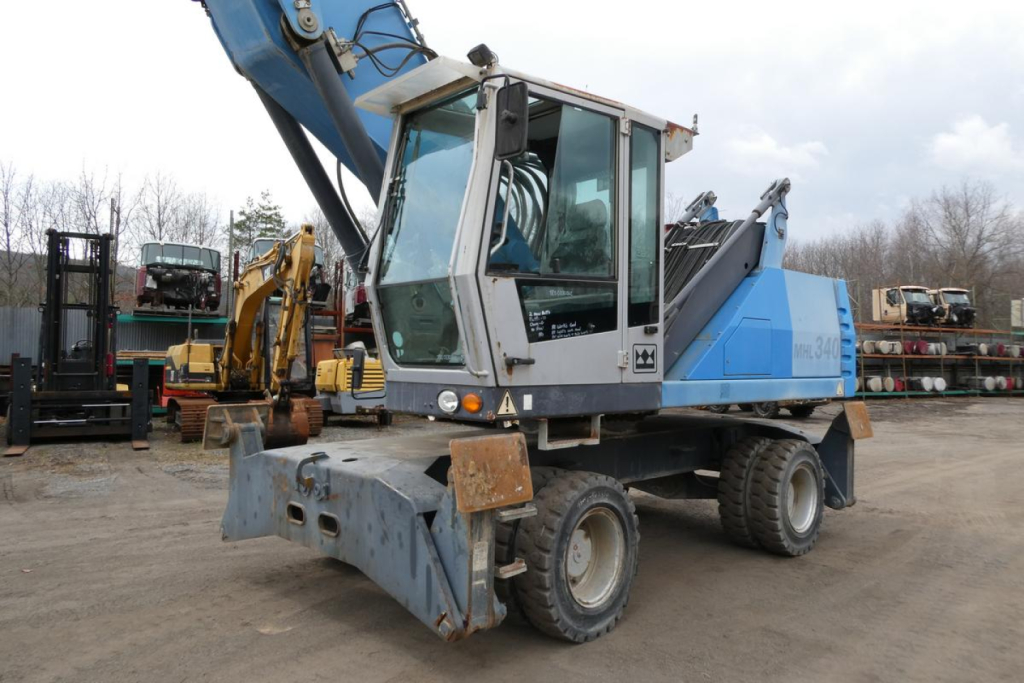
The first buying decision is usually application. For a scrap yard loading trucks, feeding a shredder, or sorting piles, a wheeled material handler offers faster repositioning, strong visibility, and good operating efficiency on paved surfaces. A tracked machine can make more sense for rough ground, demolition debris, or heavier shear work where stability matters more than travel speed. Reach is a key spec. Many 2012 material handlers in this category fall into the 30-foot to 45-foot range, and that number directly affects stockpile management, trailer loading, and how safely the machine can work over walls or rail. Operating weight often runs from roughly 50,000 to 80,000 pounds depending on undercarriage, boom configuration, and attachment.
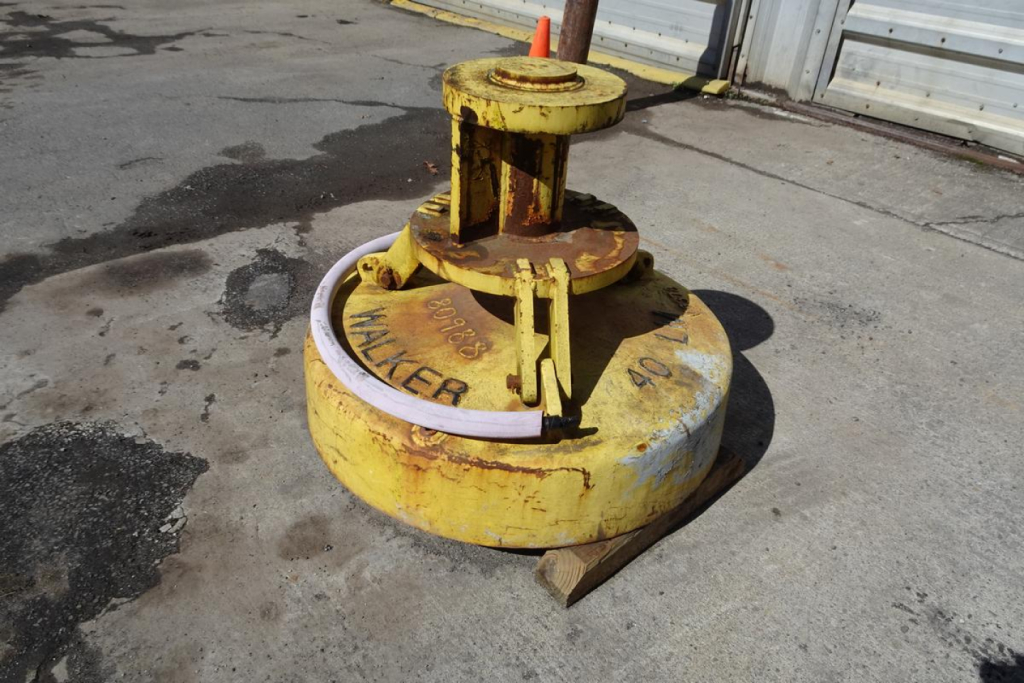
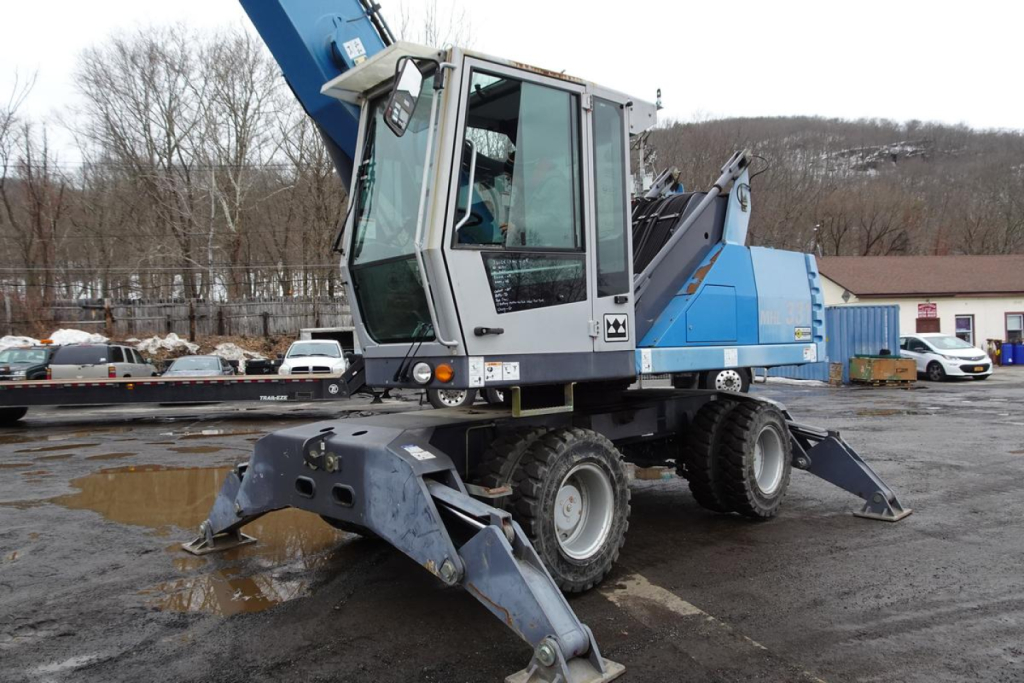
Hydraulic setup and attachment compatibility matter as much as engine horsepower. Many 2012 recycling machines use hydrostatic drive and mid-range diesel engines from Deutz, Isuzu, Caterpillar, and other established suppliers. Buyers should confirm auxiliary hydraulics, rotator plumbing, generator output for magnet use, and the condition of pins, bushings, cylinders, and swing components. If the machine carries a shear, magnet, or grapple, the attachment can change the value of the package significantly. In this category, common tools include orange-peel grapples, plate magnets, scrap magnets, and steel shears. Adjustable cab height, backup cameras, and outriggers are especially useful on dedicated scrap handlers because visibility and stability directly affect cycle times and yard safety.
Condition is critical on 2012 recycling equipment because these machines often work in severe environments with dust, impact loads, and long idle periods between hard hydraulic cycles. Hour meter readings help, but they do not tell the full story. A buyer should pay close attention to boom and stick weld repairs, turntable play, hydraulic leaks, cooling system condition, undercarriage or tire wear, and whether cab HVAC, cameras, and safety systems still function properly. For magnet-ready machines, verify the generator, wiring, and control integration. For shear-equipped units, inspect hydraulic flow capability and the structural condition of the front end. A well-matched 2012 recycling machine can still deliver strong value if its reach, attachment setup, and yard application are aligned.
Frequently Asked Questions about 2012 Recyclings
What types of machines are usually included in 2012 recycling equipment listings?
This category commonly includes wheeled material handlers, tracked scrap handlers, excavator-based recycling machines, hydraulic shears, and scrap magnet packages. Many 2012 units were built specifically for scrap yards and transfer stations, so features like elevated cabs, outriggers, generator systems for magnets, and grapple-ready hydraulics are common. Some listings may also include standalone attachments such as magnets or grapples that are used with larger handlers.
Is a wheeled or tracked recycling machine better for scrap handling?
A wheeled material handler is usually the better fit for paved scrap yards, transfer stations, and applications that require frequent repositioning. It generally offers faster travel around the yard and good visibility. A tracked machine is often better for demolition feed work, uneven ground, or heavy shear applications where flotation and stability are more important than mobility. The right choice depends on surface conditions, attachment weight, and how far the machine needs to move during a typical shift.
What specs matter most when comparing 2012 scrap material handlers?
Reach, operating weight, hydraulic configuration, and attachment setup are usually the most important comparison points. Reach determines how efficiently the machine can sort piles, load trailers, or feed processing equipment. Operating weight affects stability, especially with heavy grapples or shears. Buyers should also confirm generator capacity for magnet use, auxiliary hydraulic circuits, rotator plumbing, outrigger configuration, tire or undercarriage condition, and cab features such as adjustable elevation and camera systems.
How important is the attachment on a used recycling machine?
The attachment can be a major part of the machine's value and productivity. A quality orange-peel grapple, scrap magnet, or steel shear can save significant setup cost if it is correctly sized and matched to the machine's hydraulic flow and structural limits. Buyers should inspect attachment pins, rotators, shells, cutting edges, jaw wear, magnet condition, and electrical components. It is also important to confirm that the carrier has the correct plumbing, controls, and generator support if the attachment requires it.
What should buyers inspect closely on 2012 recycling equipment?
Focus on the structure, hydraulics, and high-wear components. Check the boom, stick, and upper frame for cracks, weld repairs, and distortion. Inspect cylinders for leaks, test swing and travel functions, and look for excessive play in pins, bushings, and the turntable. On wheeled units, evaluate tire condition and axle performance. On tracked units, inspect rails, pads, rollers, and sprockets. Because recycling environments are harsh, cab condition, cooling systems, electrical wiring, and magnet-generator integration also deserve close attention.