
Equipment For Sale Near Pompano Beach, Florida
Have equipment to sell? List it here to reach thousands of buyers.
Equipment Near Pompano Beach, Florida
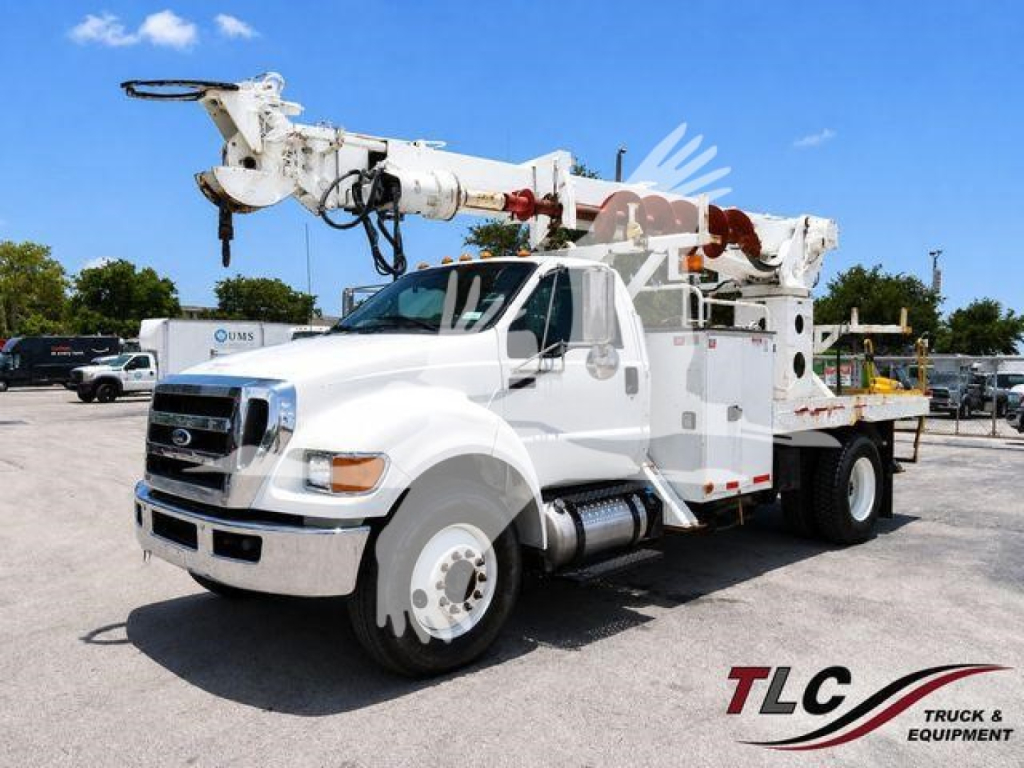
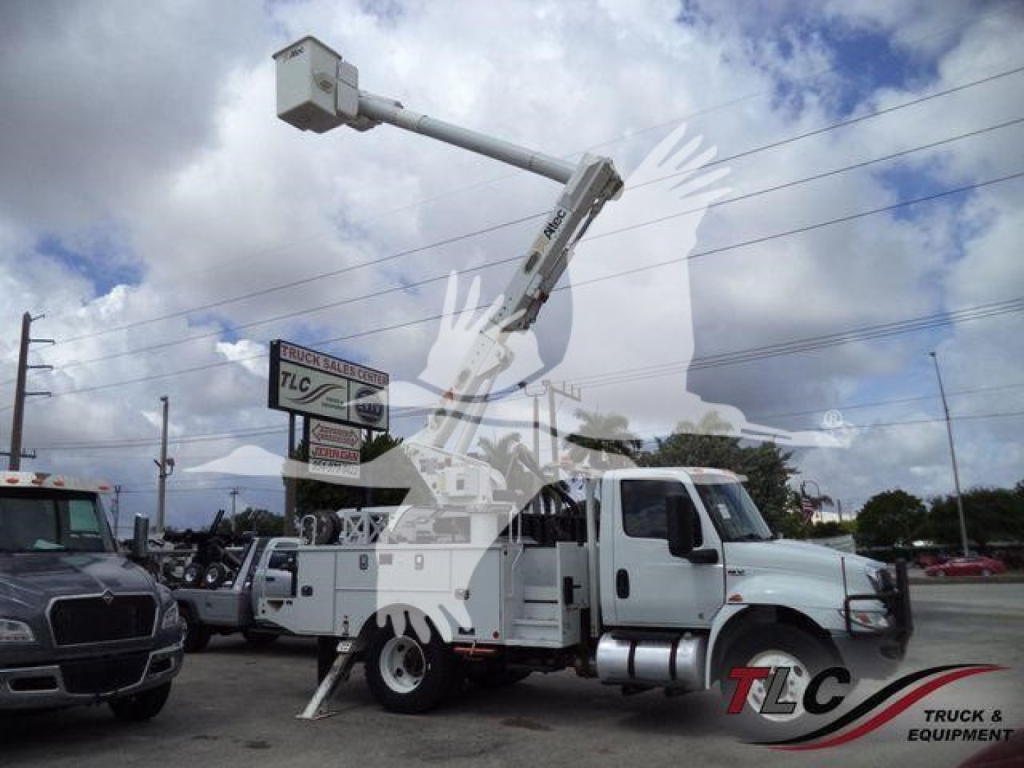
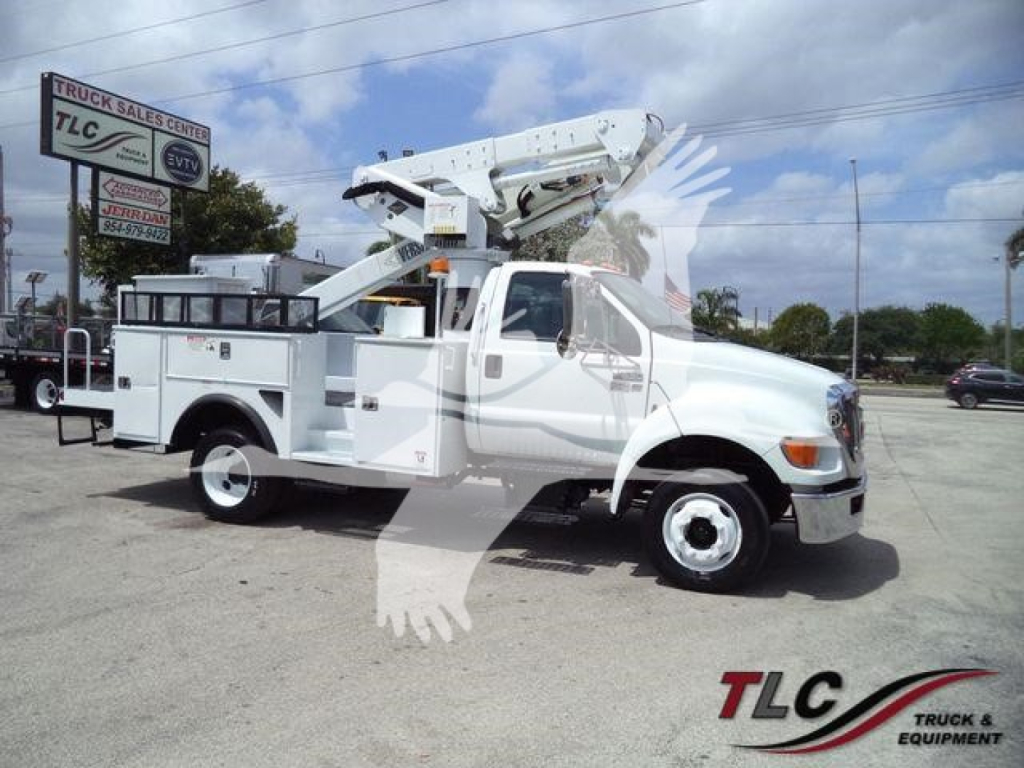
For lifting and utility equipment, common decision points include working height or reach, platform or lifting capacity, body configuration, chassis GVWR, axle ratings, and whether the unit is mounted on a commercial truck. Buyers comparing boom-equipped trucks, cranes, or utility bodies should confirm the actual usable payload after upfit weight, the stability system design, and whether the machine uses center-mounted or rear-mounted equipment. PTO operation, hydraulic leak history, outrigger function, and boom inspection records are especially important on older units. If the equipment will be used for utility, sign, tree, telecom, or municipal work, details like one-person versus two-person platform setup, articulation, bed space, towing provision, and storage layout can affect productivity as much as the headline reach figure.
Chassis specifications also deserve close attention because they determine licensing, maintenance cost, and day-to-day drivability. Gas and diesel power each have a place, with gasoline often appealing for lighter duty cycles and simpler emissions considerations, while diesel may be preferred for higher annual use and torque demands. Transmission type, wheelbase, suspension, tire condition, and brake system all influence how well a unit carries an upfit and performs in tight urban routes. In a market like Pompano Beach, buyers should also consider bridge clearance, residential street access, and how often the equipment will idle while operating hydraulic systems in warm weather.
The best value usually comes from matching the equipment to the work instead of buying strictly on age or advertised reach. A lower-hour machine with limited service documentation may be a risk, while an older, well-maintained unit with clear inspection history, recent hydraulic work, and a sound chassis can be the better buy. Look for legible placards, current safety equipment, clean weld areas, consistent boom operation, and signs that the unit has been maintained as a working asset rather than parked until sale. For any equipment listing, buyers benefit from reviewing hour meter readings, maintenance records, structural condition, and the availability of parts and service support for the make and model.
Frequently Asked Questions about Equipment Near Pompano Beach, Florida
What should I check first when buying used lifting or utility equipment?
Start with the equipment's intended application and verify that the rated reach, platform or lifting capacity, and chassis GVWR actually fit the work. After that, inspect the hydraulic system, PTO operation, outriggers, structural welds, and any available maintenance or annual inspection records. On truck-mounted equipment, engine condition and boom condition should be evaluated together because a solid upfit on a weak chassis, or a strong chassis with poor hydraulic performance, can both create expensive problems.
Are engine hours more important than mileage on truck-mounted equipment?
Hours are often more revealing than mileage on utility and lifting equipment because these units can spend significant time idling while powering hydraulics through a PTO. A truck with moderate miles but very high engine hours may show more wear than the odometer suggests. The best approach is to compare hours, mileage, maintenance history, idle time, and the condition of the hydraulic and electrical systems as a package rather than relying on one number.
Why do outriggers and stability systems matter so much on this type of equipment?
Outriggers and stability systems are central to safe operation because they determine how well the unit handles load transfer when the boom is extended or the equipment is working off-center. Buyers should check for smooth deployment, proper pad condition, cylinder sealing, structural integrity around mounting points, and any signs of frame stress. A machine with strong boom performance but weak or neglected outriggers can become a safety and compliance issue quickly.
Is gasoline or diesel better for commercial equipment in this class?
The better choice depends on duty cycle, annual usage, and service priorities. Gasoline can be attractive for lighter-duty municipal, sign, or contractor use where lower acquisition cost and simpler emissions systems are important. Diesel usually makes more sense for heavier workloads, higher annual hours, and applications that benefit from stronger low-end torque. Buyers should also factor in local service support, parts availability, and how much PTO or idle-based work the equipment will perform.
What matters most for buyers in coastal Florida?
In coastal Florida, corrosion control is a major concern. Salt air and humidity can affect frame rails, body compartments, electrical connectors, hydraulic fittings, boom hardware, and fasteners much faster than inland conditions. Cooling system performance, air conditioning function, and weather sealing also matter because equipment often works in high heat with extended idle time. A thorough inspection for rust, oxidation, wiring damage, and hydraulic hose condition is especially important in this market.