
Used Other For Sale in New York
Browse used other equipment for sale in New York, including generators, light towers, utility vehicles, and specialty jobsite support equipment.
Learn more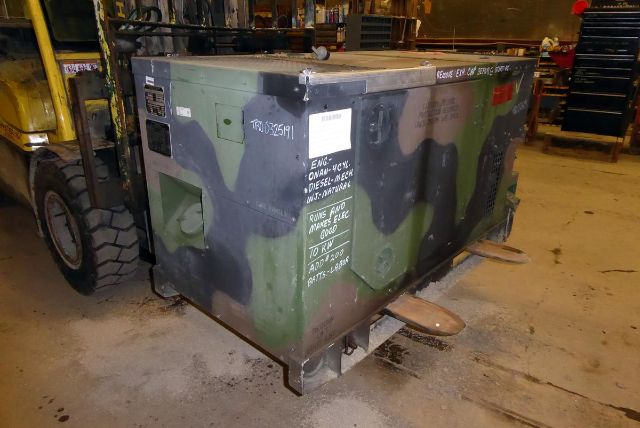
Showing 13 to 14 of 14 results
Have used other equipment to sell? List it here to reach thousands of buyers.
About Used Other in New York
On used support equipment, hours matter, but serviceability matters just as much. Many units in this class use proven small diesel engines from brands like Kubota, Caterpillar, Onan, or similar industrial platforms. Buyers should look closely at cold-start behavior, smoke, charging system performance, leaks, hydraulic response, and signs of deferred maintenance. On towable equipment, check coupler wear, axle condition, tire age, lighting, landing gear, and frame corrosion, especially in New York where road salt can shorten component life. On electric-generating equipment, verify voltage output under load, receptacle condition, breaker function, frequency stability, and whether the machine is configured for single-phase, three-phase, or both.
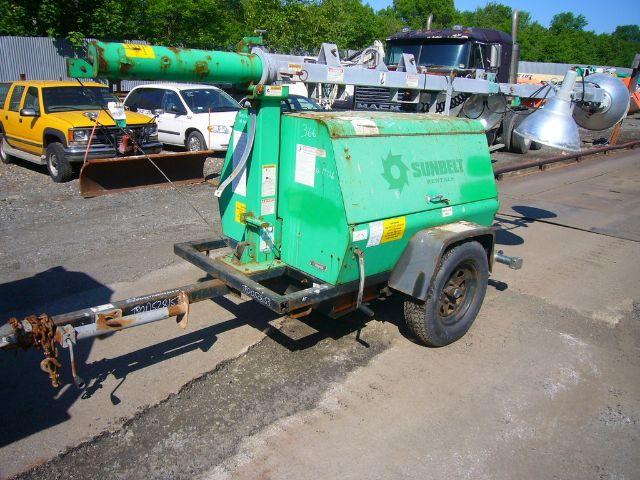
Spec differences in this category can have a bigger impact than buyers expect. A 6 kW to 10 kW generator may be enough for pumps, tools, temporary service, or backup use, but plug style, amp rating, and continuous-duty capacity determine real-world usefulness. Light towers vary by lamp type, mast height, and deployment condition, and older units should be checked for winch wear, cable damage, and leg integrity. Utility vehicles and work carts are commonly evaluated by 2WD versus 4WD, hydrostatic versus automatic transmission, enclosed versus open cab, seating capacity, bed dimensions, and dump function. If the unit will be used around facilities, campuses, airports, or municipal properties, compact dimensions and low operating weight can be just as important as horsepower.
For buyers in New York, used other equipment often needs to handle mixed-season work, long idle periods, and outdoor storage. That makes condition, parts support, and ease of transport especially important. Look for equipment with straightforward mechanical systems, common tire sizes, readily available filters and service parts, and controls that can be operated without proprietary support. This category is broad by definition, so the best value usually comes from matching a machine's actual output, capacity, and operating condition to a specific task instead of buying only on price or hour meter reading.
Frequently Asked Questions
What types of machines are usually listed under used other equipment?
Used other equipment is a catch-all category for specialty machines and support units that fall outside standard truck, trailer, or construction classifications. Common examples include towable generators, light towers, diesel utility vehicles, work carts, small mobile power units, and other jobsite or property-support equipment. Buyers should focus on the machine's function, output, and operating condition because units in this category can vary widely in size, drivetrain, and intended use.
What should I inspect first on a used generator or light tower?
Start with the engine, electrical output, and towing components. Confirm the unit starts cleanly, carries load, and produces stable voltage and frequency at the receptacles or lugs. On a light tower, check mast operation, lamp function, stabilizer legs, winch condition, and trailer frame integrity. Tire age, hub condition, coupler wear, and corrosion are important because many of these units spend long periods parked outdoors and then must be moved without much notice.
Are hours the best way to judge used specialty equipment?
Hours are useful, but they are only one part of the picture. A lower-hour unit that sat outside with poor maintenance can be a worse buy than a higher-hour machine with consistent service records and clean operation. On this type of equipment, buyers should pay close attention to fuel system condition, battery and charging performance, hydraulic and mast function where applicable, and the overall state of wiring, hoses, tires, and structural components.
What specs matter most on a used utility vehicle?
Payload, bed size, seating, cab configuration, and drivetrain usually matter most. A buyer should verify whether the unit is 2WD or 4WD, automatic or hydrostatic, open station or enclosed cab, and whether it includes a dump bed, heat, power steering, or a receiver hitch. Ground clearance, tire type, and turning radius also matter if the machine will be used on rough property, in snow, or around tight facilities such as campuses, warehouses, and municipal yards.
Why is regional condition important when buying used other equipment in New York?
New York operating conditions can be hard on compact support equipment because of road salt, freeze-thaw cycles, moisture, and seasonal storage. Corrosion on frames, stabilizers, electrical connectors, trailer components, and cab structures is common if equipment was used through winter. Buyers should inspect undercarriage areas, wiring ends, wheel hardware, landing gear, and any exposed steel or aluminum components to make sure cosmetic wear has not turned into structural or electrical problems.