
Used Link Belt Equipment For Sale in New York
Browse used Link-Belt trucking equipment for sale, including heavy-duty units known for hydraulic performance, durability, and jobsite value.
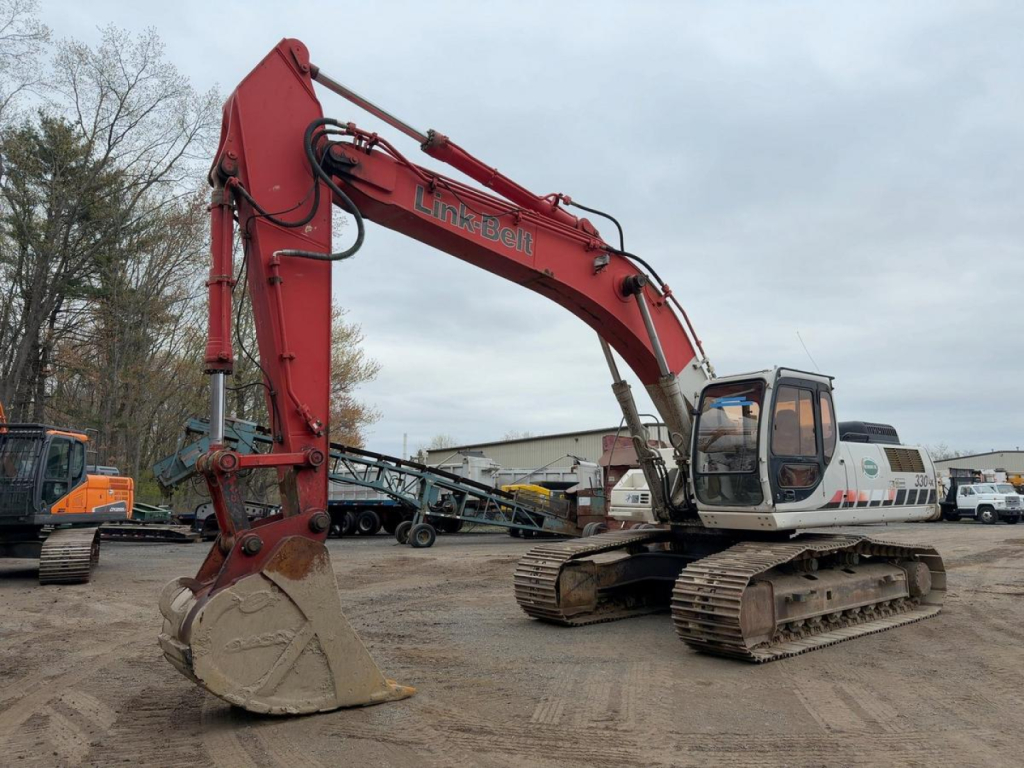
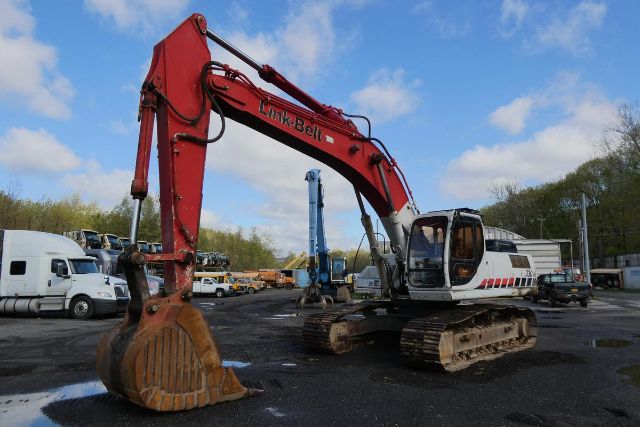
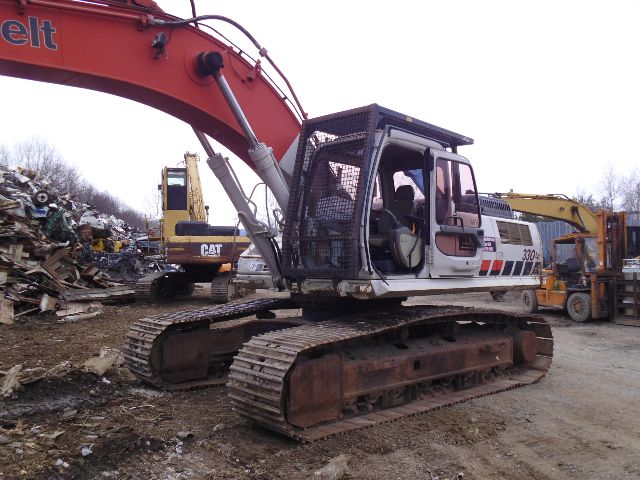
Selling a used link belt equipment? List your used link belt equipment for sale and reach thousands of commercial buyers.
Used Link Belt Equipment in New York
A common example in this make is the Link-Belt 330 class, a full-size excavator often powered by an Isuzu diesel in the mid-200 hp range and operating around the 78,000 lb class. Machines in this size range are frequently equipped with long booms, auxiliary hydraulics or a third valve, and work tools such as buckets, shears, grapples, or demolition attachments. If the machine has been used in recycling or scrap applications, inspect boom and stick structure, pin boss wear, swing bearing condition, turntable play, and the overall health of the hydraulic system. High-flow attachment work can be productive, but it also puts more demand on pumps, valves, cylinders, and cooling systems.
Hours matter, but maintenance records matter more. A well-kept used Link-Belt can still be a sound buy at higher hours if the engine starts clean, the hydraulics respond properly under load, and the undercarriage has usable life left. Buyers should pay close attention to cylinder seepage, bushing wear, track pad condition, roller and idler wear, final drives, and any signs of structural repair on the boom, stick, or carbody. Cab condition also tells a story. Heat, air conditioning, controls, monitors, and glass may seem secondary, but they often reflect how the machine was owned and maintained.
Transport and job fit should be part of the buying decision from the start. Full-size Link-Belt excavators can be over-width and heavy enough to affect trailer selection, permitting, and route planning, especially in states with tighter haul requirements such as New York. Match operating weight, boom configuration, and attachment package to the work you actually need done. A standard digging setup is very different from a machine built for steel shear or material handling duty. The best used Link-Belt purchase is the one with the right hydraulic capacity, reach, attachment plumbing, and service history for the application, not simply the newest year model on the page.
Frequently Asked Questions about Used Link Belt Equipment in New York
What should I inspect first on a used Link-Belt machine?
Start with the hydraulics, undercarriage, and structural components. Check for slow or weak hydraulic response, cylinder leaks, unusual pump noise, excessive play at the boom and stick pins, and signs of welding or reinforcement on major structures. On tracked machines, undercarriage wear can significantly change total ownership cost, so inspect pads, rollers, idlers, sprockets, and track tension closely.
Are high-hour used Link-Belt units still worth buying?
They can be, if service history and condition support the hours. A higher-hour machine with documented maintenance, clean engine operation, solid hydraulic performance, and a usable undercarriage may be a better value than a lower-hour machine with poor maintenance or heavy attachment abuse. Hours should be evaluated alongside wear points, repairs, fluid condition, and how the machine was actually used.
Is a Link-Belt excavator that worked in recycling or scrap a higher-risk purchase?
It often requires a more careful inspection. Recycling and scrap work can be hard on boom structures, stick ends, slew systems, guarding, cooling packages, and auxiliary hydraulic circuits, especially when the machine has run a shear or grapple. That does not automatically make it a poor buy, but the buyer should verify attachment plumbing, inspect for structural fatigue, and confirm the machine still matches the intended application.
What size Link-Belt equipment is common in the used market?
Mid-size and full-size excavators are common, including machines in the 30-ton and larger classes. Models in the 330 range are popular because they balance production, reach, and attachment capability for general excavation, demolition, and material handling work. Exact specifications vary by year and configuration, so buyers should compare operating weight, horsepower, boom and stick dimensions, and hydraulic options listing by listing.
How important is transport planning for used Link-Belt equipment?
Transport planning is critical because many larger Link-Belt machines require a trailer setup that accounts for width, weight, and height. A machine may fit the job perfectly but create added cost through permits, routing, or specialized hauling requirements. Buyers should confirm shipping dimensions, operating weight, attachment transport needs, and local regulations before committing to a unit.