
Used Link Belt Equipment For Sale
Browse used Link-Belt trucking equipment listings, including excavators and specialty machines, with specs, applications, and buying tips.
Selling a used link belt equipment? List your used link belt equipment for sale and reach thousands of commercial buyers.
Used Link Belt Equipment
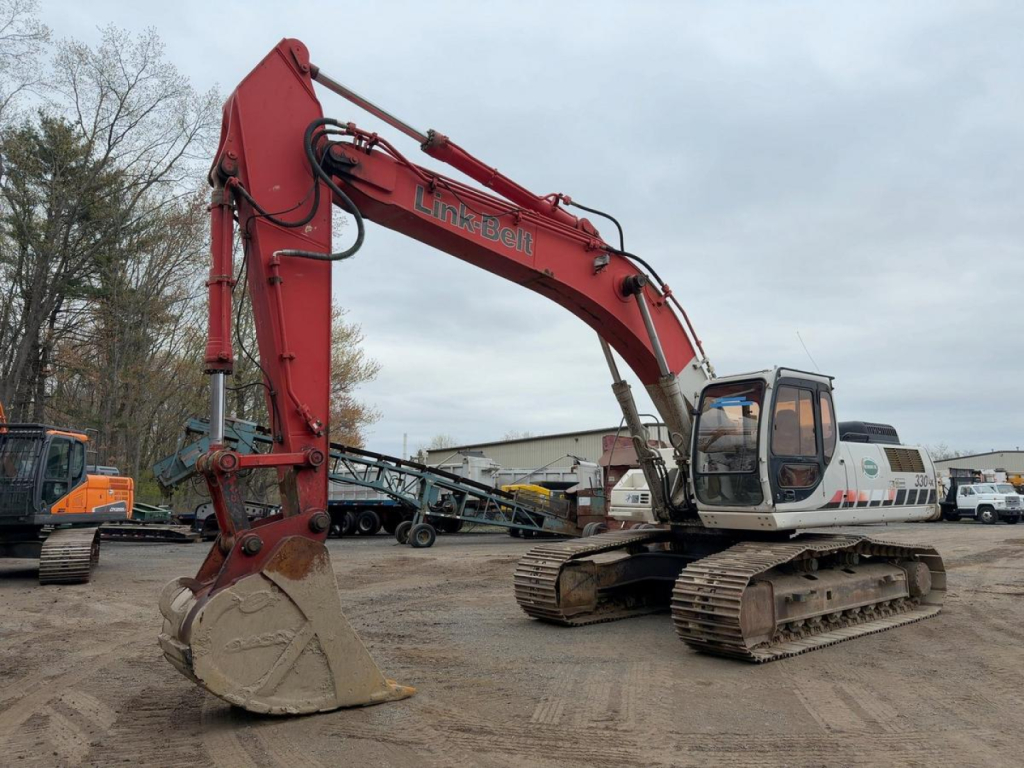
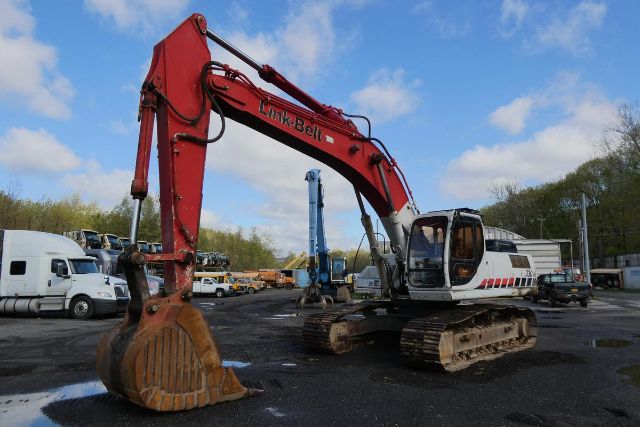
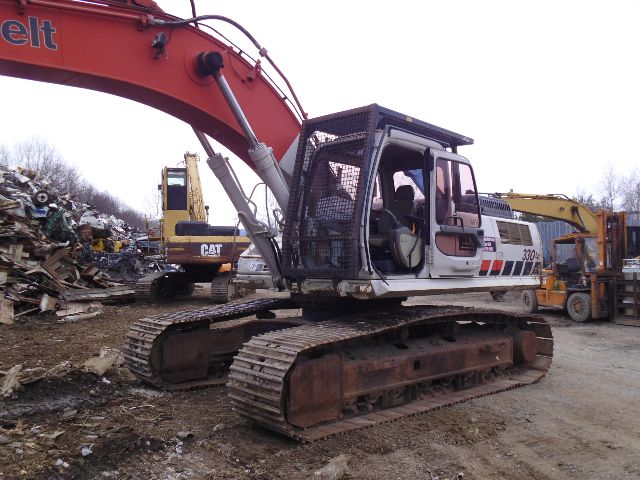
A lot of the value in a used Link-Belt unit comes down to how it was spec'd and how it was used. Machines in the 160-class range are often a practical fit for utility work, smaller excavation crews, and general construction where transport width and jobsite access matter. Larger 330-class machines are more common in production digging, demolition, and recycling roles where added reach, bucket breakout force, and lift capacity are needed. Buyers should pay close attention to engine hours, pin and bushing wear, boom and stick condition, swing bearing play, cylinder seepage, and the overall state of the track system, including pads, rollers, sprockets, and idlers. On hydraulic machines, auxiliary lines and third-valve setups can make a major difference if the unit will run a shear, hammer, thumb, grapple, or quick coupler.
Link-Belt equipment is known for straightforward controls, enclosed cabs, and solid visibility, but used-machine condition can vary widely by application. A machine that spent its life in trenching or light dirt work will wear differently than one used in scrap, concrete processing, or high-cycle demolition. Cab features like heat, air conditioning, joystick response, monitor function, and travel performance matter more than they may appear on paper because they affect operator productivity over a full shift. Service records are also worth weighing heavily, especially for cooling system work, final drives, hydraulic pump performance, injector history, and any documented repairs to the boom foot, stick, house structure, or attachment plumbing.
For buyers moving equipment between sites, transport dimensions and operating weight should be reviewed early, not after narrowing the field. Shipping length, overall width, cab height, and boom configuration all affect lowboy planning, permitting, and total move cost. If the machine will support a trucking operation tied to aggregate, land clearing, utility construction, or recycling, it helps to match the excavator size and attachment package to the material stream and trailer capacity already in the fleet. Used Link-Belt trucking equipment can be a strong fit for operators who want proven hydraulic performance, common jobsite versatility, and a machine class that is widely recognized across construction and material handling markets.
Frequently Asked Questions about Used Link Belt Equipment
What should I inspect first on a used Link-Belt excavator or similar Link-Belt equipment?
Start with undercarriage wear, hydraulic condition, and structural integrity. Track pads, rollers, idlers, and sprockets can represent a major ownership cost, and hydraulic repairs can quickly change the economics of a used machine. Check for boom, stick, and bucket cylinder leaks, excessive play in pins and bushings, signs of welding or plate repairs, swing bearing looseness, and smooth travel and swing operation under load.
Are larger Link-Belt models like the 330-class better for recycling and demolition work?
In many cases, yes. A 330-class Link-Belt machine typically brings more operating weight, stronger hydraulic output, and better stability for heavy attachments such as shears, grapples, and demolition tools. That makes it better suited for scrap, concrete processing, and high-production loading than a smaller general-purpose excavator. The tradeoff is higher transport cost, more ground pressure, and a larger jobsite footprint.
How important are auxiliary hydraulics and extra hydraulic lines on used Link-Belt equipment?
They are very important if the machine will run anything beyond a standard bucket. Extra hydraulic lines, third-valve plumbing, and quick coupler compatibility can save substantial retrofit expense and downtime. If the machine is expected to handle a hammer, thumb, grapple, shear, or rotating attachment, confirm the hydraulic setup matches the attachment flow and pressure requirements before purchase.
Do engine hours tell the full story on a used Link-Belt machine?
No. Hour meter readings are useful, but application and maintenance history matter just as much. A higher-hour machine with documented service, dry cylinders, tight pins, and a healthy hydraulic system can be a better buy than a lower-hour unit that spent its life in severe demolition or scrap service. Look at wear patterns, service records, cold-start behavior, smoke levels, pump response, and how the machine performs through a complete operating cycle.
What transport factors matter when buying used Link-Belt trucking equipment?
Operating weight, shipping length, width, and boom configuration matter immediately because they affect trailer selection, permit requirements, and route planning. Mid-size machines may be easier to move between jobs and can reduce total logistics cost. Larger machines may deliver better production, but they often require more planning and more expensive hauling. Matching machine size to your fleet’s lowboy capacity and your normal job radius can prevent avoidable transport headaches.