
Used Unicarriers Lifts - Fork For Sale
Used Unicarriers fork lifts for sale, including cushion and pneumatic tire models with common capacities, mast options, and warehouse handling features.
Learn more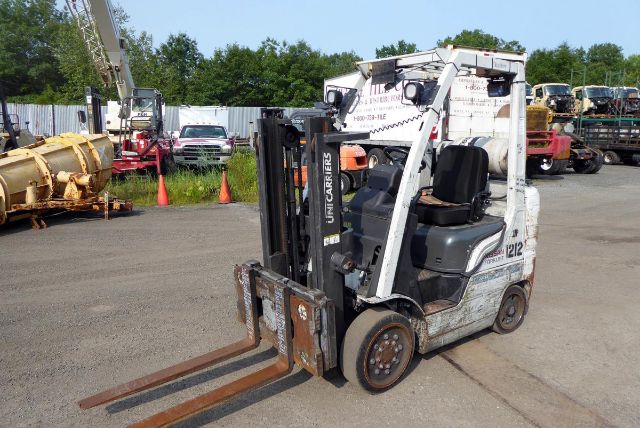
Have used unicarriers lifts - fork equipment to sell? List it here to reach thousands of buyers.
About Used Unicarriers Lifts - Fork
A key decision is matching the truck to the floor and duty cycle. Cushion tire Unicarriers fork trucks are common for smooth indoor concrete and tighter warehouse aisles, while pneumatic tire models are better suited for outdoor yards, rougher surfaces, docks, and mixed-use operations. Buyers should pay close attention to mast type, including 2-stage and 3-stage configurations, along with collapsed height, maximum fork height, free lift, and side-shift if equipped. A lower overall height matters if the truck has to clear dock doors or trailer openings, while a triplex mast can be valuable in low-clearance buildings that still need higher stacking capability.
Fuel and powertrain specs matter because they affect operating cost and application fit. Many used Unicarriers forklifts are LP gas units, which are common in indoor-outdoor use because they refuel quickly and provide consistent performance across a full shift. Some fleets prefer electric models for indoor emissions requirements and lower noise, while diesel units show up more often in heavier outdoor service. On any used fork lift, buyers should verify hour meter readings, transmission engagement, mast chain wear, carriage condition, hydraulic response, steer axle play, brake performance, and tire condition. Fork length, fork thickness, backrest, tilt function, and any onboard scale or attachment should also be checked because those details can change how well the truck fits a specific workload.
For a buyer comparing multiple used Unicarriers lifts, the best value usually comes from a unit with a clean mast, responsive hydraulics, stable cold-start performance, and a spec sheet that matches the load profile rather than simply the lowest price. Capacity ratings should always be reviewed at the actual load center and with the installed mast and attachment, since a side-shift, clamp, or longer forks can reduce effective capacity. If the truck will spend time loading trailers, working in confined aisles, or handling palletized freight all day, details like turning radius, visibility through the mast, operator compartment layout, and service access are just as important as headline lift rating.
Frequently Asked Questions
What should I look for when buying a used Unicarriers fork lift?
Start with rated capacity, mast type, fuel system, and tire configuration, then inspect the condition of the hydraulic cylinders, lift chains, forks, carriage, steer axle, brakes, and transmission. On a used Unicarriers forklift, hour meter reading helps, but actual wear matters more. Check for smooth lift and tilt functions, stable idle, clean starts, even tire wear, and signs of frame or mast damage. If the truck includes an attachment such as a side-shift or scale, confirm that it operates properly and that the truck's capacity tag reflects that setup.
Are Unicarriers forklifts good for warehouse use?
Yes. Many Unicarriers fork trucks are well suited to warehouse work, especially cushion tire models designed for smooth indoor floors and tighter turning environments. Warehouse buyers should focus on overall lowered mast height, free lift, turning radius, and visibility through the mast. LP gas and electric configurations are both common in warehouse service, and the right choice depends on ventilation, charging or fueling setup, and shift length.
What is the difference between cushion tire and pneumatic tire Unicarriers forklifts?
Cushion tire forklifts are typically lower to the ground and optimized for indoor operation on concrete, where tighter maneuverability is important. Pneumatic tire forklifts have larger tires and more ground clearance, making them a better fit for outdoor lots, uneven pavement, docks, and mixed indoor-outdoor use. The tire type affects ride quality, turning characteristics, and where the truck can operate efficiently, so it should match the actual work environment.
How important is mast configuration on a used fork truck?
Mast configuration is one of the most important buying factors because it determines lift height, collapsed height, and free lift. A 2-stage mast can be a good fit for straightforward loading and unloading, while a 3-stage or triplex mast is often preferred when you need higher stacking with lower overall height. Buyers should compare the mast to ceiling clearance, rack height, trailer access, and the type of loads being handled every day.
Do attachments affect forklift capacity?
Yes. Attachments such as side-shifts, clamps, rotators, and longer forks can reduce the truck's effective lifting capacity by changing the load center and adding weight to the front end. That is why the data plate matters on any used forklift. The rated capacity must be reviewed with the exact mast and attachment installed so the truck is not overloaded in real operating conditions.