
Unicarriers Lifts - Fork For Sale
Browse Unicarriers fork lifts built for warehouse and yard work, with common capacities, mast options, fuel types, and buyer tips.
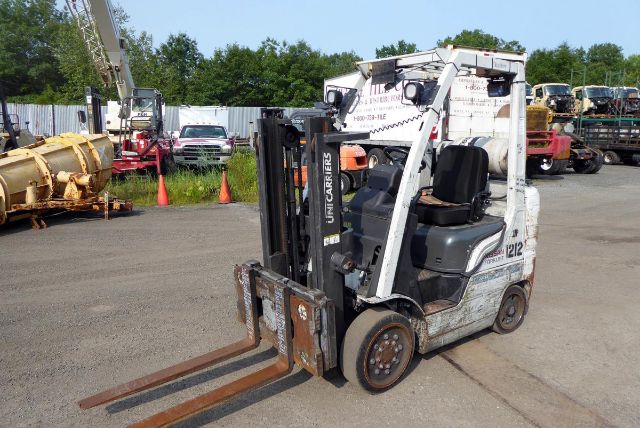
Looking for the easiest place to sell your unicarriers lifts - fork? List it here to reach thousands of buyers.
Unicarriers Lifts - Fork
Fuel type matters because it affects runtime, indoor suitability, maintenance, and overall operating cost. Unicarriers forklifts are commonly found with LPG, gas, diesel, and electric power. LPG units are a common fit for mixed indoor and outdoor use because they refuel quickly and deliver consistent performance for dock and warehouse work. Electric models are often preferred for indoor applications where emissions, noise, and aisle traffic are a bigger concern. When comparing used fork trucks, pay attention to hours, cold-start behavior, hydraulic response, mast wear, side shift function, brake feel, and tire type. Cushion tires are typical for smooth concrete floors, while pneumatic tires are better suited for rougher outdoor surfaces.
A forklift that looks similar on paper can perform very differently depending on its attachment package and operating environment. Fork length, carriage class, backrest height, tilt function, side shift, fork positioners, and onboard scales all affect how useful the truck will be in daily service. Unicarriers models are known for straightforward controls and practical serviceability, which matters if the truck will be used in a high-cycle operation. Buyers should also verify load center, lift height, overall lowered height, truck weight, turning radius, and overhead guard clearance before putting a unit into a tight warehouse or onto a specific trailer-loading route.
For used Unicarriers lifts, the best buying decision usually comes from matching the truck to the actual load profile instead of just choosing by rated capacity. A 5,000 lb forklift may not handle the same weight safely at full lift height or with a longer load center, especially with attachments installed. Review the data plate, mast channels, lift chains, steer axle, hydraulic cylinders, and transmission performance under load. If the application includes frequent trailer loading, dock work, or outdoor staging, it also makes sense to check visibility, operator compartment condition, and how the truck tracks with a full pallet. A well-matched Unicarriers fork lift can deliver reliable pallet handling, low downtime, and solid productivity in both warehouse and fleet support operations.
Frequently Asked Questions about Unicarriers Lifts - Fork
What are the most common capacities for Unicarriers fork lifts?
Many Unicarriers fork lifts on the market are in the 3,000 to 5,000 lb capacity range, which covers standard pallet handling, dock work, and general warehouse duty. Larger capacity units are also available for heavier industrial applications. Buyers should check the data plate because rated capacity changes with load center, lift height, mast type, and any attachment installed on the carriage.
Is an LPG, diesel, or electric Unicarriers forklift better?
The best fuel type depends on the work environment. LPG forklifts are a common choice for mixed indoor and outdoor use because they offer fast refueling and good all-around performance. Electric forklifts are often better for indoor operations where emissions, sound levels, and ventilation are key concerns. Diesel units are typically better suited to outdoor or heavier-duty applications where runtime and torque are priorities.
What should I inspect first on a used Unicarriers fork truck?
Start with the mast, lift chains, hydraulic cylinders, forks, carriage, and data plate. Then check hour meter reading, engine or battery condition, transmission response, steering, brakes, and tire wear. A short operational test under load is important because hydraulic speed, mast stability, tilt function, and shifting performance can reveal issues that are not obvious during a visual inspection.
What mast type is best for warehouse and trailer loading work?
A 2-stage mast is common for general lifting where lower complexity and good forward visibility matter. A 3-stage mast is often better when you need higher lift heights but still need a lower collapsed height to clear doors or work inside trailers and tighter buildings. The right mast depends on ceiling height, rack height, and the minimum lowered height required in your facility.
Do tire types matter on a Unicarriers forklift?
Yes. Cushion tires are usually the right fit for smooth indoor concrete and tight warehouse maneuvering because they keep the truck compact and stable on hard surfaces. Pneumatic tires are better for uneven yards, gravel, and rougher outdoor conditions. Matching the tire type to the surface is important for traction, ride quality, and overall safety.