
Omega Lifts - Fork For Sale in New York
Have omega lifts - fork equipment to sell? List it here to reach thousands of buyers.
Omega Lifts - Fork in New York
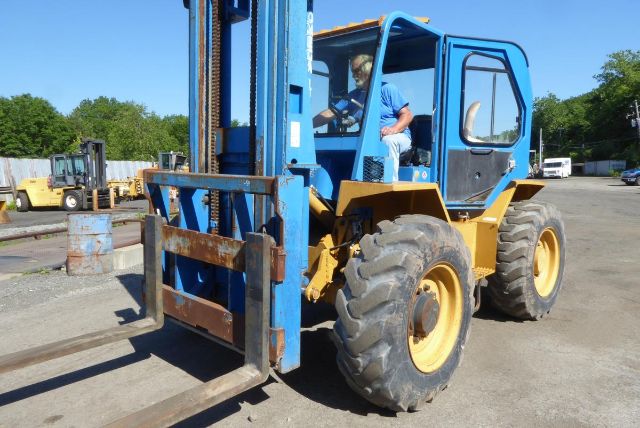
Capacity and reach should drive the first decision. In this category, buyers commonly compare lift ratings around the 8,000 lb class, fork length, overall machine width, and maximum loading height. Features such as hydraulic side shift, frame leveling, and multi-mode steering can make a major difference when placing loads on trailers or working in confined yards. Tire type matters too. Large pneumatic or air-filled tires are better suited for mud, aggregate, and mixed jobsite surfaces than cushion tires, and an enclosed cab can add value for cold-weather operation in New York and other northern markets.
Powertrain and hydraulic condition are especially important on used Omega lifts. Diesel engines, automatic transmissions, dry hydraulic cylinders, steering response, mast wear, and brake performance all affect operating cost after purchase. Buyers should pay close attention to hour meter readings, cold-start behavior, fork condition, carriage wear, and signs of stress around the mast, frame, and steer axle. If the machine will be used around trailers every day, measure overall length without forks, mast height, cab height, and turning characteristics to make sure it fits docks, doors, and yard lanes.
Omega lifts appeal to buyers who need a dedicated outdoor forklift that can handle more than warehouse duty. They are commonly considered by carriers, building supply operations, farms, lumber yards, equipment dealers, and contractors that need dependable lifting capacity without stepping into a larger telehandler. The best unit for the job is usually the one that balances lift rating, terrain capability, hydraulic function, and parts support with the clearances and loading heights required in your operation.
Frequently Asked Questions about Omega Lifts - Fork in New York
What is an Omega fork lift typically used for?
An Omega fork lift is typically used for outdoor material handling in yards, farms, construction support, lumber operations, and trucking environments where loads need to be placed on trailers or moved across uneven ground. Compared with a warehouse forklift, this type of machine is generally better suited for rough surfaces, heavier attachments, and higher loading applications.
What should I check first when buying a used Omega rough-terrain forklift?
Start with lift capacity, actual operating hours, engine starting behavior, transmission engagement, hydraulic response, and steering performance. Then inspect the mast, carriage, forks, tilt and leveling functions, axle areas, tires, and brake system. Weak hydraulics, hard cold starts, loose mast components, or uneven steering feel can point to repairs that quickly change the real cost of ownership.
How important are fork length and loading height on a fork lift?
Fork length and loading height are critical because they determine how well the machine matches your freight and trailer setup. Longer forks can improve support for bulky or longer palletized loads, while sufficient loading height is necessary for placing material onto flatbeds, platforms, or elevated surfaces. Buyers should compare these measurements to the loads they handle most often instead of focusing only on rated lift capacity.
Are Omega fork lifts suitable for New York weather and jobsite conditions?
They can be a strong fit for New York conditions when equipped for outdoor service. Pneumatic tires, enclosed cabs, good cold-start performance, and a sound hydraulic system matter more in regions with winter weather, mud, and seasonal yard conditions. Rust, corrosion around the cab and frame, and wear related to road salt or wet storage should be inspected closely on any used machine.
How does a rough-terrain fork lift compare with a telehandler?
A rough-terrain fork lift is usually the better choice when the job centers on stable fork work, repeated loading cycles, and predictable lift heights. A telehandler offers more forward reach and attachment flexibility, but it is often more machine than some yard and trailer-loading operations need. Buyers who mainly handle pallets, bundled products, or freight in an outdoor yard often prefer the simpler layout and lower operating complexity of a dedicated fork lift.