
Omega Lifts - Fork For Sale
Shop Omega fork lifts and rough-terrain material handlers with strong lift capacity, hydraulic control, and jobsite-ready performance.
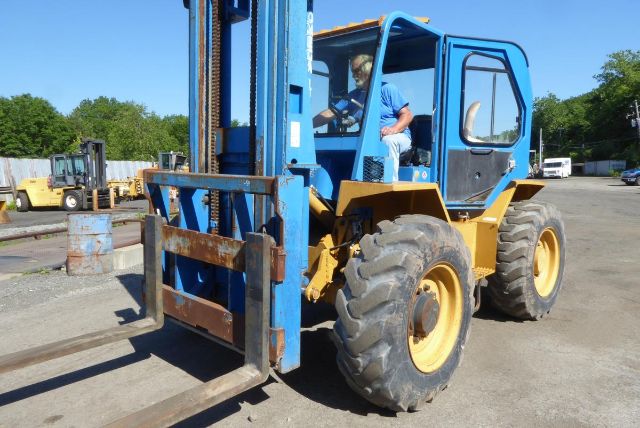
Looking for the easiest place to sell your omega lifts - fork? List it here to reach thousands of buyers.
Omega Lifts - Fork
Capacity, lift height, and steering configuration should be at the top of the checklist. Many buyers in this class focus first on rated lift capacity, fork length, mast or carriage configuration, and maximum loading height. Machines in the 8,000 lb range are common for heavier yard and site work, especially when handling dense material or loading trailers from ground level. Features such as hydraulic side shift, fork leveling, and multi-mode steering can make a major difference in daily productivity, particularly when operators need to place loads accurately in tight spaces or on uneven terrain. Enclosed cabs are also valuable for all-weather operation and operator comfort on long shifts.
Powertrain and hydraulic condition matter as much as the nameplate rating. On a used Omega fork lift, buyers should pay close attention to engine performance, cold-start behavior, transmission engagement, hydraulic cylinder condition, mast function, steering response, and brake operation. Tire condition is another major cost item, especially on larger rough-terrain units with wide flotation or air-filled tires. It is also smart to verify actual fork dimensions, carriage wear, visibility from the operator station, and whether the machine has the reach and stability needed for your specific loading height and load center. A machine can be rated for a certain capacity, but that rating changes with lift height and load placement.
For fleet buyers and owner-operators supporting specialized freight, an Omega fork lift can fill the gap between a warehouse forklift and a dedicated telehandler. It offers the straightforward fork handling needed for trailers, yard staging, and material movement without adding unnecessary complexity for basic lifting tasks. The best buying decision comes down to matching the machine to the material being handled, the terrain it will work on, and the service support available for the engine, transmission, and hydraulic components. When those fundamentals line up, this equipment class can deliver dependable lifting performance in demanding outdoor conditions.
Frequently Asked Questions about Omega Lifts - Fork
What are Omega fork lifts typically used for?
Omega fork lifts are typically used for outdoor material handling where a conventional warehouse forklift would struggle. Common applications include loading and unloading trailers, moving palletized freight, handling steel, pipe, lumber, and supporting construction or industrial yard operations. Their larger tires, heavier chassis, and rough-terrain design make them better suited for gravel, dirt, and uneven ground.
What should I check first on a used Omega fork lift?
Start with rated capacity, lift height, and overall hydraulic performance. Then inspect engine starting, transmission shifting, steering modes, mast operation, side shift function, fork wear, tire condition, and brake response. On any used fork lift in this class, hydraulic weakness, cylinder leakage, and tire replacement costs can significantly affect total ownership cost.
Is an Omega fork lift the same as a telehandler?
Not exactly. An Omega fork lift in this category is generally a dedicated fork truck or rough-terrain forklift built around lifting and placing loads with a mast or fixed lifting arrangement. A telehandler usually adds a telescopic boom for extended forward reach and higher placement. Buyers choosing between the two should compare required reach, lift height, visibility, and attachment needs.
How important is fork length and load center on this type of equipment?
Fork length and load center are critical because they directly affect safe lifting capacity and load stability. A machine may be rated for a certain maximum weight, but that rating assumes a specific load center. Longer or awkward materials can move the center of gravity forward and reduce usable capacity. Buyers handling long bundles, large pallets, or uneven loads should verify that the fork dimensions and rated load chart match the job.