
2021 Lifts - Fork For Sale in New York
Shop 2021 fork lifts for sale in New York. Compare lift capacity, mast type, fuel options, tire setup, fork size, and warehouse suitability.
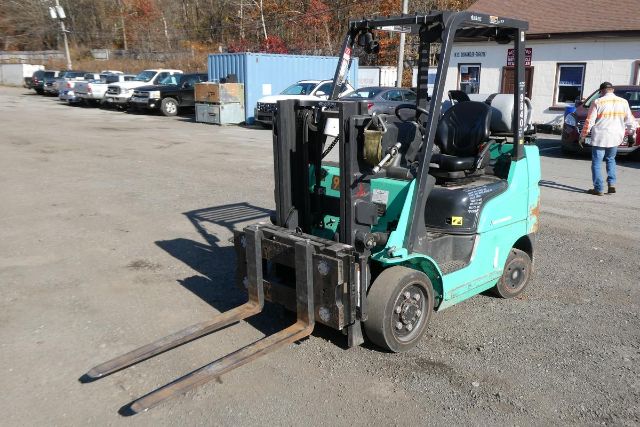
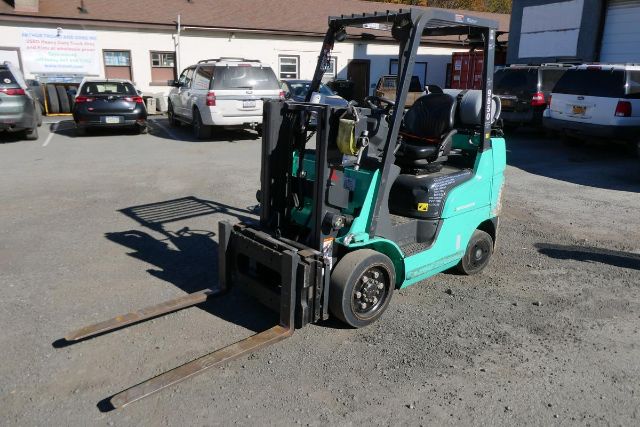
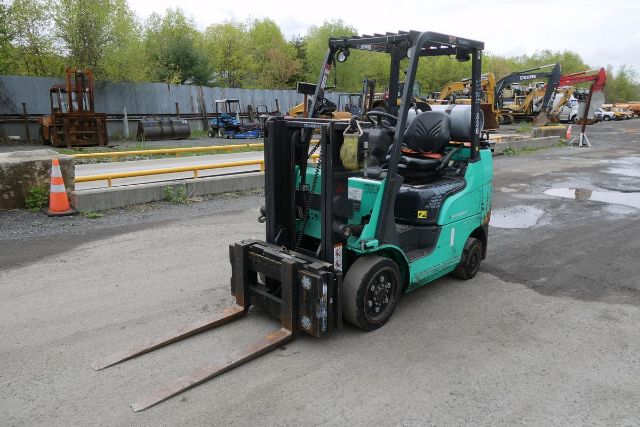
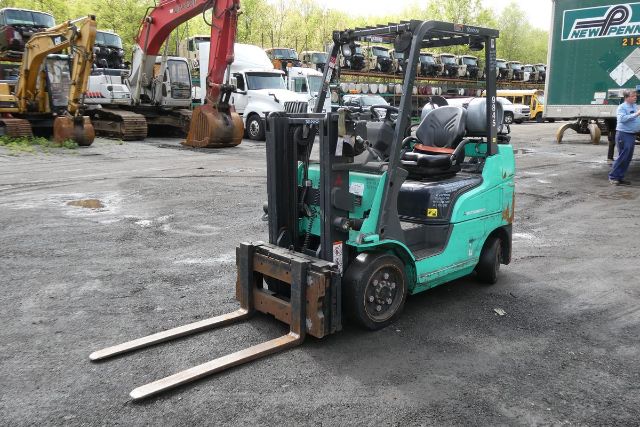
Have 2021 lifts - fork equipment to sell? List it here to reach thousands of buyers.
2021 Lifts - Fork in New York
Fuel type matters because it affects operating cost, indoor suitability, and service complexity. Propane forklifts remain common for mixed indoor and outdoor use because they refuel quickly and offer strong runtime without battery charging infrastructure. Diesel fork lifts are more common in high-capacity outdoor applications where torque, long shifts, and rougher yard conditions matter more than indoor emissions. Some late-model units also bring better electronic diagnostics, load handling hydraulics, and operator comfort features such as enclosed cabs, heat, air conditioning, hydraulic side shift, and fork positioners. In New York, buyers working through winter conditions should pay close attention to cold-start behavior, tire type, cab protection, and whether the machine will spend most of its time on pavement, broken yard surfaces, or inside a warehouse.
Mast configuration and attachment setup can change the value of a fork lift as much as engine hours. A standard two-stage mast may be enough for low-clearance warehouse use, while a three-stage mast helps where higher stacking is needed without sacrificing travel clearance. Side shift is one of the most useful everyday hydraulic options because it speeds pallet alignment and reduces repeated repositioning. Fork positioners are valuable in freight, precast, pipe, and mixed-load applications where pallet and bundle widths change often. Buyers should also compare fork length, fork thickness, carriage class, back tilt, overhead guard or ROPS layout, and tire construction. Cushion or solid tires are common on smooth indoor floors, while pneumatic tires are better suited for outdoor yards and uneven surfaces.
Condition still comes down to the basics. Check mast rails, chains, rollers, carriage wear, steer axle play, brake response, and any leaks at lift and tilt cylinders. Review hour meter credibility against pedal wear, seat condition, and service records. On heavier units, transmission performance, steer function under load, and hydraulic response can tell more than cosmetic appearance. A good 2021 fork lift should offer a strong balance of remaining service life, modern safety features, and lower downtime risk, but only if the machine is matched correctly to aisle width, rack height, surface conditions, and the weight profile of the materials being handled.
Frequently Asked Questions about 2021 Lifts - Fork in New York
What capacity fork lift should I buy?
Buy for the heaviest real load you handle at the actual load center, not just the nominal rating on the data plate. A fork lift rated at 4,000 lbs may not safely handle that same weight if the load is longer, wider, or lifted higher than the standard rating condition. Buyers should account for the pallet or product dimensions, attachment weight, lift height, and any future increase in load size before selecting capacity.
Is propane or diesel better for a 2021 fork lift?
Propane is usually the better choice for mixed indoor and outdoor work because refueling is fast and emissions are generally easier to manage in ventilated warehouse settings. Diesel is typically preferred for higher-capacity outdoor units that work long shifts, travel on rougher surfaces, or need stronger low-end torque. The right choice depends on where the machine will operate, what local emissions rules apply, and whether your site already supports propane bottles or diesel fueling.
What mast type should I look for on a fork lift?
The correct mast depends on both stacking height and overhead clearance. A two-stage mast is common for straightforward lifting with a lower level of complexity, while a three-stage mast is useful when you need higher lift height but still have to pass through doors or work under lower ceilings with the mast lowered. Buyers should compare lowered mast height, free lift, and maximum lift height against their rack system and building clearances.
Are side shift and fork positioners worth paying for?
Yes, in many operations they improve productivity enough to justify the added cost. Side shift helps the operator line up pallets without constantly repositioning the whole truck, which saves time and reduces tire scrub and impact risk. Fork positioners add even more value in operations handling different pallet widths, bundles, or irregular loads because they allow quick hydraulic adjustment from the seat.
What should I inspect first on a used late-model fork lift?
Start with the mast, hydraulics, and driveline because those systems directly affect safety and repair cost. Look for cylinder leaks, chain wear, mast rail damage, carriage looseness, rough hydraulic function, brake issues, and steering play. Then confirm the hour meter appears credible, check for active warning lights or fault codes, and review service history for cooling system work, transmission maintenance, and any emissions-related repairs on diesel models.