
2021 Lifts - Fork For Sale
Shop 2021 fork lifts for loading, warehousing, and yard handling. Compare lift capacity, mast height, fuel type, tires, and attachment options.
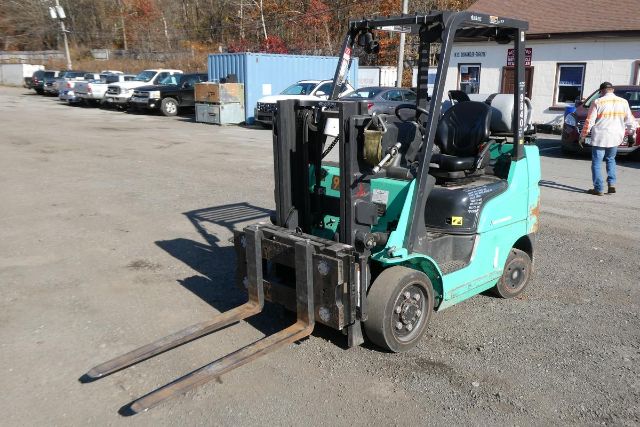
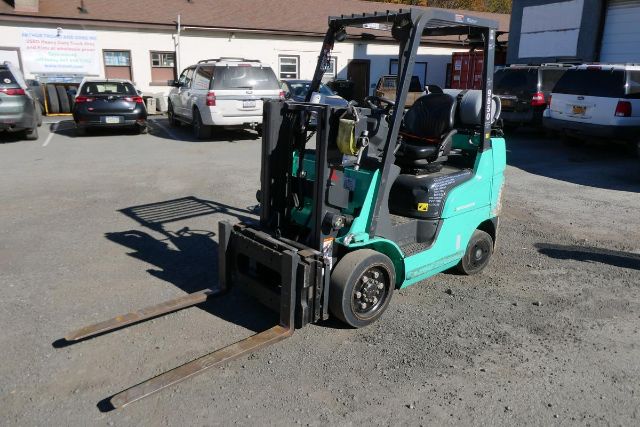
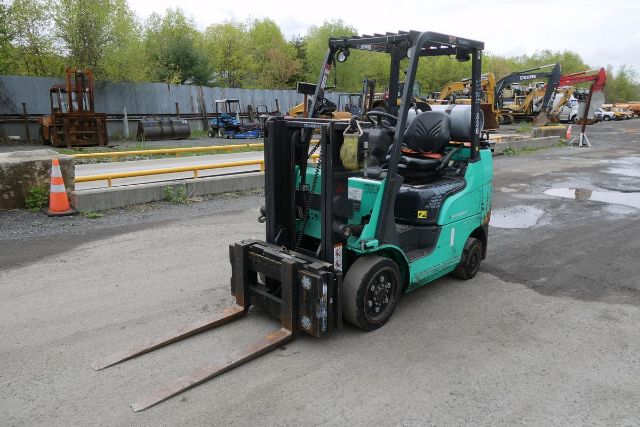
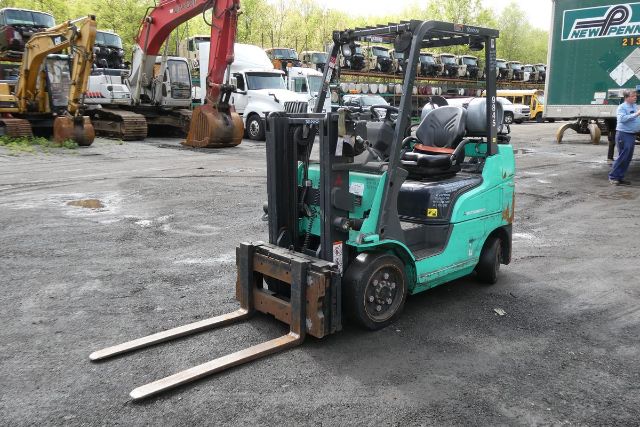
Have 2021 lifts - fork equipment to sell? List it here to reach thousands of buyers.
2021 Lifts - Fork
Fuel type and operating environment matter just as much as lift rating. Propane forklifts remain common for indoor-outdoor use because they refuel quickly and typically offer simple serviceability. Diesel fork lifts are more common in lumber yards, pipe yards, ports, and other heavy-duty outdoor applications where higher capacity and longer run times are important. On 2021 models, buyers should pay attention to Tier 4 Final or other applicable emissions equipment on diesel units, including DEF systems where equipped. If the truck will run mainly inside a warehouse, tire type, turning radius, and overall height can be more important than raw horsepower.
Mast configuration is another area that affects day-to-day productivity. Buyers should compare collapsed mast height, maximum lift height, free lift, and visibility through the mast, especially if the truck must work in trailers, low-clearance buildings, or rack systems. Common configurations include duplex and triplex masts, with features such as hydraulic side shift and fork positioners improving speed and precision in pallet handling. Cushion tires are typical on smooth warehouse floors, while pneumatic or solid pneumatic tires are better suited to rougher pavement, gravel, and yard surfaces. Fork dimensions, carriage class, back tilt, and hydraulic function count are worth checking if the truck will handle varied loads rather than standard pallets.
A well-matched 2021 fork lift should be evaluated like any other production asset: operating hours, service records, hydraulic condition, mast wear, steer axle play, brake response, and cold-start behavior all tell you more than paint and decals. Buyers should also confirm data plate legibility, attachment compatibility, and any site-specific requirements for cab enclosure, lighting, backup alarms, or operator safety systems. For many operations, the right fork lift is not the biggest unit available. It is the one sized correctly for aisle width, floor conditions, trailer loading height, and the heaviest routine load the machine will actually handle.
Frequently Asked Questions about 2021 Lifts - Fork
What should I look at first when buying a 2021 fork lift?
Start with rated capacity, mast height, and the environment where the machine will work. A forklift that handles standard pallets in a warehouse has very different needs than a unit moving steel, lumber, or machinery outdoors. After that, review fuel type, tire type, collapsed height, attachment setup, and service history. These factors usually determine whether the truck fits the job better than cosmetic condition alone.
How important is mast type on a fork lift?
Mast type is critical because it affects lift height, overall lowered height, visibility, and how the truck performs in trailers or under low doors. A duplex mast may be adequate for basic loading, while a triplex mast is often preferred when high stacking is required but overhead clearance is limited. Free lift is especially important for operations loading inside vans or containers where the forks must rise before the mast extends upward.
Is diesel or propane better for a fork lift?
Diesel is generally better for heavier outdoor work, longer run cycles, and higher-capacity trucks. Propane is often preferred for mixed indoor-outdoor use because it refuels quickly and is common in standard warehouse fleets. The better choice depends on ventilation, duty cycle, local fuel availability, emissions requirements, and the weight of the loads being handled.
Do attachments change forklift capacity?
Yes. Attachments such as side shifts, fork positioners, clamps, and longer forks can reduce effective lift capacity because they add weight and may move the load center farther forward. Buyers should confirm that the data plate reflects the current attachment configuration. If it does not, the published capacity may not match real-world safe operating capacity.
Are operating hours enough to judge a used 2021 fork lift?
No. Hours help, but they do not tell the full story. A lower-hour truck with poor maintenance or heavy attachment work can be a risk, while a higher-hour truck with documented service may still be a dependable machine. Pay close attention to mast wear, chain condition, hydraulic leaks, steer and brake performance, tire wear, and how the engine and transmission respond under load.