
2014 Lifts - Fork For Sale in New York
Browse 2014 fork lifts for sale, including warehouse and yard forklifts with common specs, lift capacities, mast options, and fuel types.
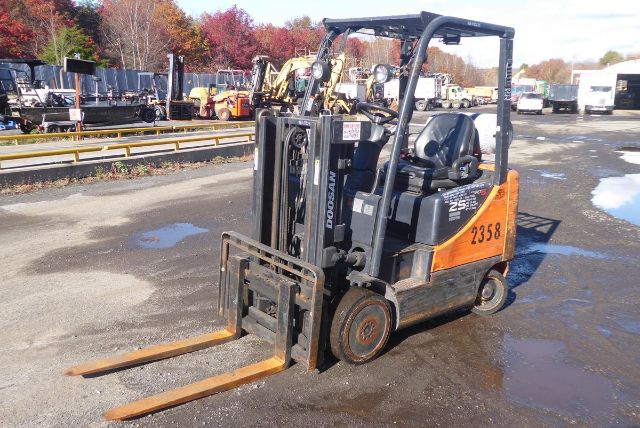
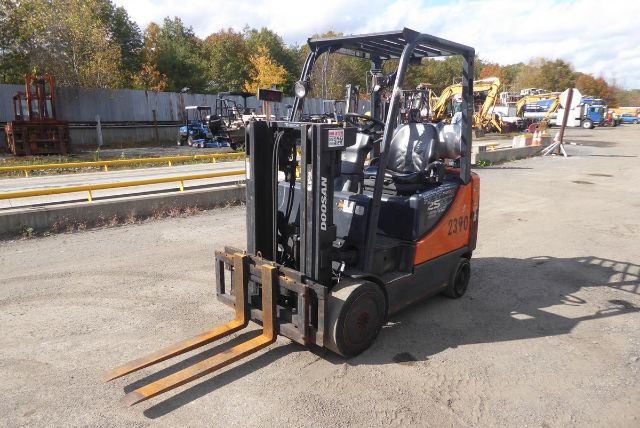
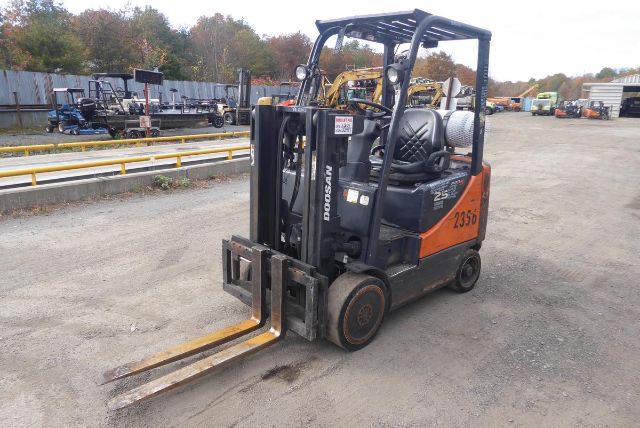
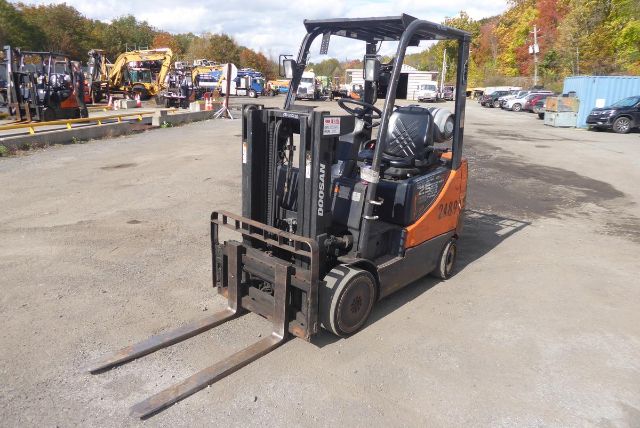
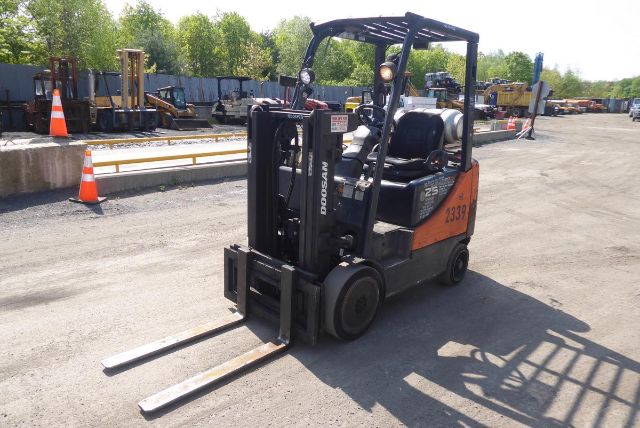
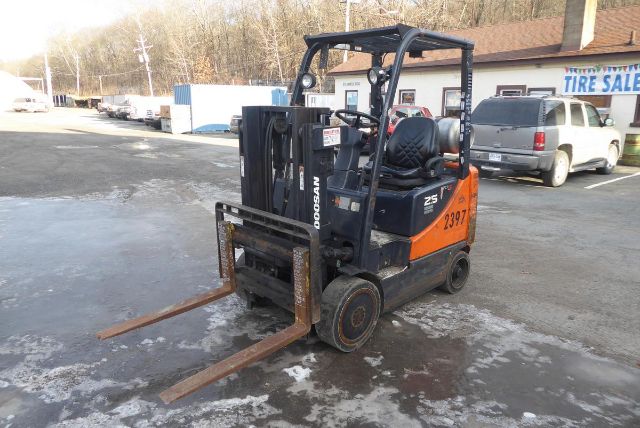
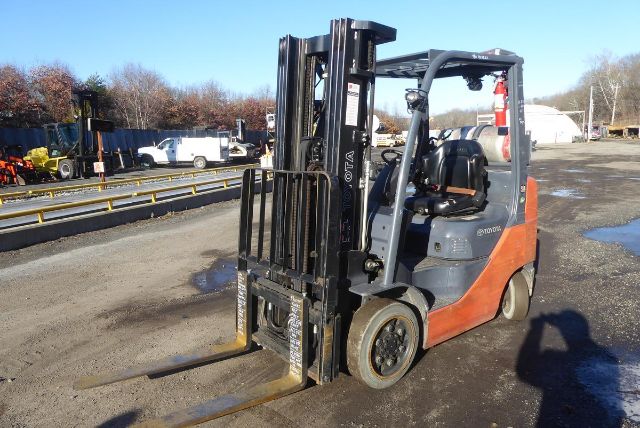
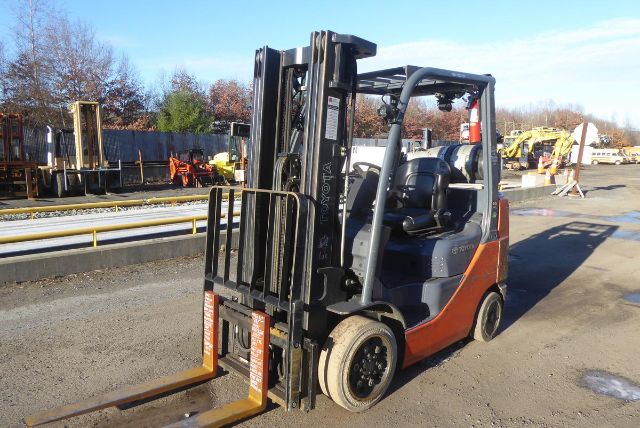
Have 2014 lifts - fork equipment to sell? List it here to reach thousands of buyers.
2014 Lifts - Fork in New York
Mast configuration matters as much as raw capacity. A double mast is common for straightforward loading and unloading, while a triple mast gives more lift height with a lower collapsed height for door clearance and trailer entry. Buyers should look closely at maximum fork height, lowered mast height, freelift, side shift, fork positioner capability, and whether a 4th valve is present for clamps or other attachments. Fork length, fork thickness, and carriage class also affect how useful the truck will be on day one. On a 2014 model, hydraulic side shift is a very desirable feature because it speeds up pallet handling, reduces repositioning, and helps operators stay productive in tight aisles or when working vans and flatbeds.
Fuel type and tire setup should be chosen around the jobsite. LP gas forklifts are common in warehouses and mixed indoor-outdoor use because they refuel quickly and offer predictable runtime. Diesel forklifts are better suited to outdoor yards, heavier capacities, and rougher duty cycles. Electric units also appear in this age group and can make sense where emissions, noise, or indoor air quality are priorities, but battery age and charger compatibility need close review. Cushion tires usually point to smooth concrete and tighter turning radius, while pneumatic or solid pneumatic tires are more appropriate for broken pavement, gravel, and uneven surfaces. In New York, seasonality matters. Cold-weather starting, enclosed operator area, traction, and hydraulic performance in winter conditions can all affect uptime.
Condition still decides the deal on any used fork lift. Hour meter readings help, but service history, mast wear, chain condition, steer axle play, brake performance, and cylinder seepage tell the real story. Check for mast rail damage, fork heel wear, carriage looseness, transmission engagement, and signs of hard impact around the counterweight and overhead guard. If the unit will load trucks regularly, confirm overall height, mast lowered height, and capacity at the needed lift point, not just the base rating on the data plate. Buyers comparing 2014 forklifts should focus on application fit first, then attachment readiness, tire type, and maintenance condition. That approach usually leads to lower operating cost and fewer surprises after delivery.
Frequently Asked Questions about 2014 Lifts - Fork in New York
What capacity range is common for a 2014 fork lift?
A 2014 fork lift can range from small 4,000 to 5,000 lb warehouse units up to large industrial machines rated at 20,000 lbs or more. The important number is the effective capacity at your actual load center and lift height. Attachments such as side shifts, clamps, or longer forks can reduce usable capacity, so the data plate and attachment specifications should be reviewed together.
Is a propane, diesel, or electric 2014 forklift the better choice?
The best fuel type depends on where and how the lift will work. Propane forklifts are common for mixed indoor-outdoor use and offer fast refueling. Diesel forklifts usually fit heavier outdoor applications and longer duty cycles. Electric forklifts can be very effective indoors where low noise and zero tailpipe emissions matter, but battery condition, charger setup, and remaining battery life are critical on a used unit from this year range.
What is the difference between a double mast and a triple mast on a fork lift?
A double mast is a simpler two-stage setup that works well for many loading applications. A triple mast adds an extra stage, allowing higher lift while keeping the collapsed height lower for overhead clearance. Triple mast forklifts are often preferred when the truck needs to enter trailers, pass through doors, or work in buildings with height restrictions while still reaching upper rack positions.
What should I inspect first on a used 2014 forklift?
Start with the mast, chains, forks, and hydraulics because these components directly affect safe lifting. Then inspect brake performance, steering response, transmission engagement, tire condition, and any cylinder leaks or seepage. Also verify the hour meter seems consistent with overall wear, and check that the data plate matches the mast, forks, and any installed attachments.
Are cushion tires or pneumatic tires better on a fork lift?
Cushion tires are best for smooth warehouse floors and tight operating spaces because they keep the truck compact and maneuverable. Pneumatic or solid pneumatic tires are better for outdoor yards, rough pavement, and uneven surfaces. The tire type should match the environment, because a forklift that is correct on paper can still perform poorly if the tires do not suit the surface conditions.