
2014 Lifts - Fork For Sale
Browse 2014 forklift equipment listings, including common LP gas warehouse trucks with mast, capacity, tire, and attachment options.
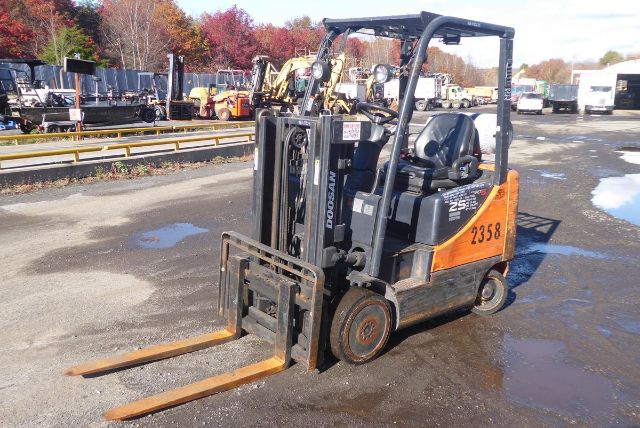
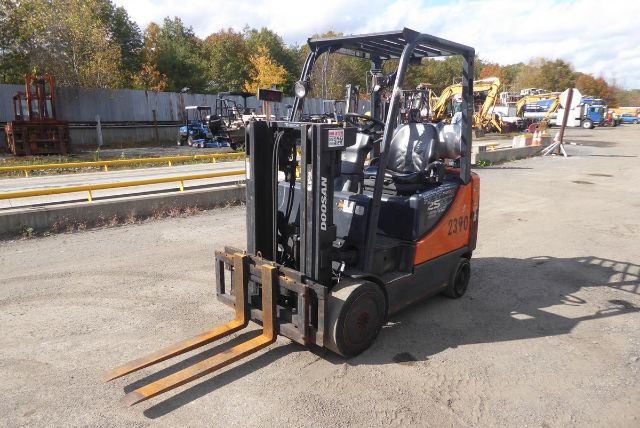
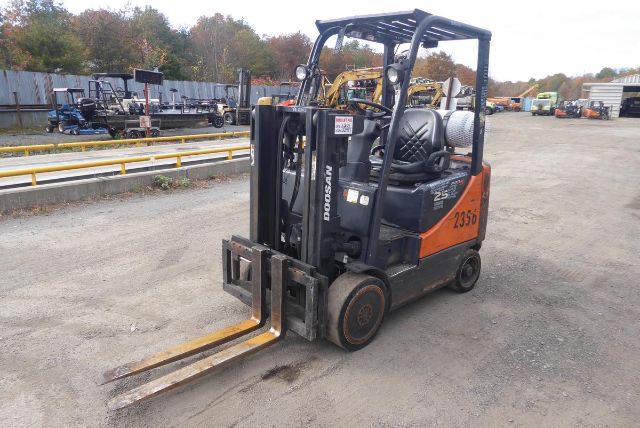
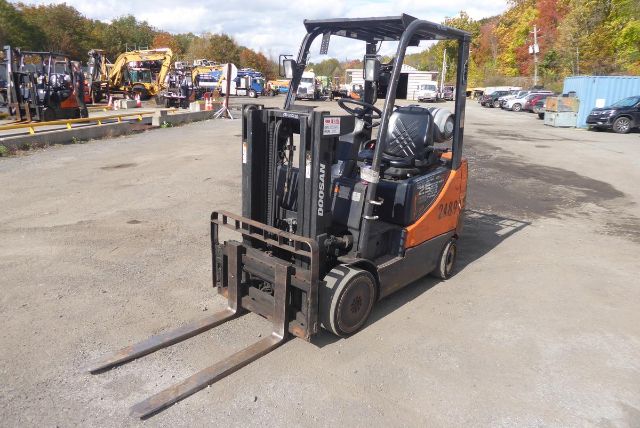
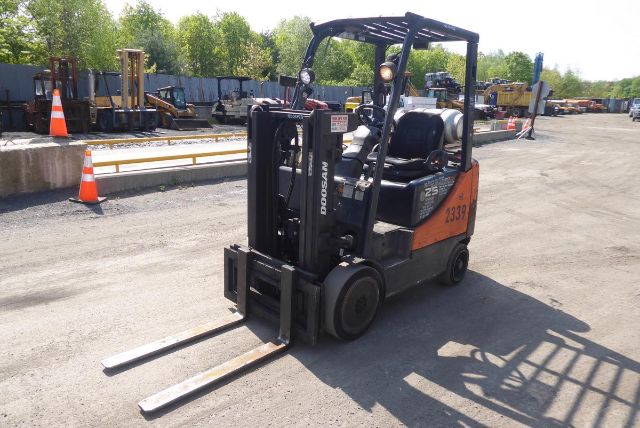
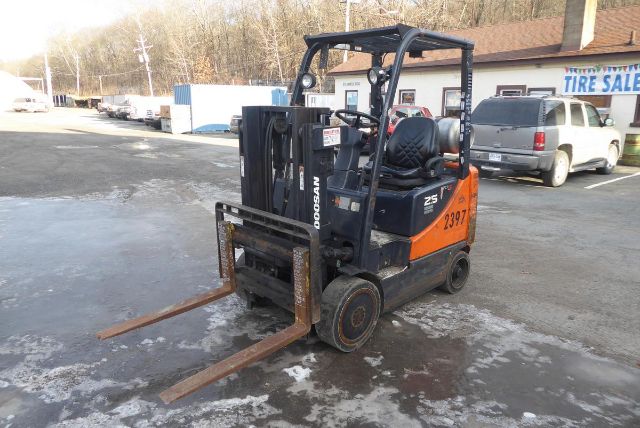
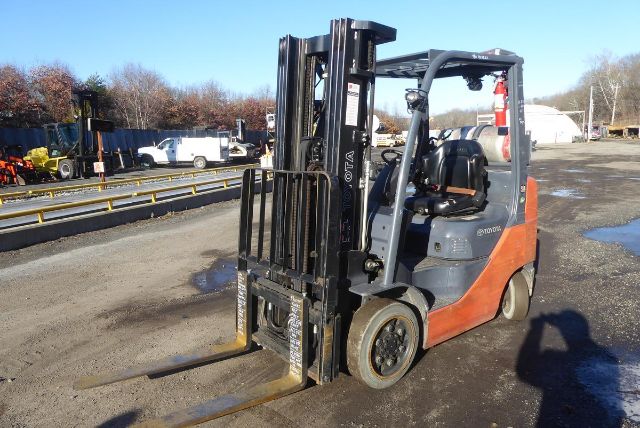
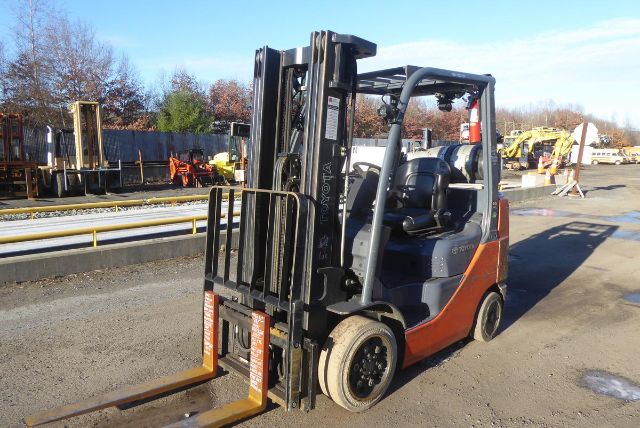
Have 2014 lifts - fork equipment to sell? List it here to reach thousands of buyers.
2014 Lifts - Fork
Capacity and lift height should be the first two filters. A forklift rated around 4,000 to 5,000 pounds may handle palletized freight, machinery, bundled material, and general warehouse loads, but actual usable capacity drops as load centers increase or when attachments are added. Buyers should confirm the data plate, free lift, collapsed mast height, and maximum fork height, especially if the truck needs to work inside trailers, under low doors, or in racking. Triple-stage masts are useful when overhead clearance is limited, while a simpler two-stage mast may be preferred for less complex duty cycles. Side shift is one of the most valuable options in real-world loading because it reduces repositioning time and improves pallet placement.
Tire type and operating environment are just as important. Cushion-tire forklifts are common on smooth concrete floors and loading docks, while pneumatic-tire units are better suited for rougher yards and outdoor use. Many 2014 models in this class use propane engines because they offer quick refueling and solid all-day performance in mixed indoor and outdoor service, but buyers should still inspect cold starting, idle quality, transmission engagement, and response under load. Check for mast rail wear, leaking tilt or lift cylinders, fork heel wear, carriage damage, and uneven tire wear. If the unit includes side shift or other hydraulic functions, test them under pressure and verify there is no drift, chatter, or delayed actuation.
A 2014 forklift often sits in the sweet spot where parts support is still strong across major brands, and the machine may be modern enough to fit current fleet needs without the price of newer equipment. Pay close attention to brake performance, parking brake hold, steering smoothness, backup alarm function, operator restraint condition, and any signs of hard impact use around the counterweight or overhead guard. For operations that load vans, move pallets in tight aisles, or support production lines, the right fork lift is less about brand alone and more about a clean match between rated capacity, mast height, overall width, fuel system, and attachment setup.
Frequently Asked Questions about 2014 Lifts - Fork
What lift capacity is common for a 2014 forklift in this category?
Many 2014 fork lifts in general material-handling service fall in the 3,000 to 6,000 pound class, with 4,000 to 5,000 pounds being especially common for warehouse and dock work. The correct capacity depends on the load center, fork length, mast height, and any attachments installed. Buyers should verify the truck’s data plate because attachment weight and extended load distance can reduce actual usable capacity.
What is the difference between a dual-stage mast and a triple-stage mast on a forklift?
A dual-stage mast is simpler and often works well in open areas where collapsed height is not a major concern. A triple-stage mast allows higher lift with a lower collapsed height, which is useful for entering trailers, working under doors, or operating in buildings with limited clearance. The tradeoff is added complexity, so buyers should inspect mast channels, rollers, lift chains, and hydraulic functions carefully.
Is propane a good fuel choice for a 2014 forklift?
Propane is a common and practical fuel choice for forklifts that work both indoors and outdoors. It allows fast cylinder changes, steady runtime, and good performance in many warehouse and yard applications. On a used 2014 unit, buyers should check starting behavior, idle quality, fuel system condition, and overall engine response under load, since these factors matter more than fuel type alone.
What should I inspect first on a used forklift from this year range?
Start with the mast, chains, carriage, forks, hydraulics, transmission engagement, steering, and brakes. Look for cylinder seepage, mast rail wear, fork heel wear, loose steering, uneven tire wear, and signs of frame or counterweight impact damage. Hour readings are helpful, but condition, maintenance history, and how the machine performs under actual lifting and travel tests are better indicators of value.
Are cushion tires or pneumatic tires better on a forklift?
Cushion tires are typically better for smooth indoor floors, tight turning, and loading dock use. Pneumatic tires are better for rough pavement, outdoor yards, and uneven surfaces where more ground clearance and traction are needed. The right choice depends on where the forklift will spend most of its time, because tire type directly affects stability, turning radius, ride quality, and wear.