
2013 Lifts - Fork For Sale
Shop 2013 fork lifts for material handling, warehouse, and yard work. Compare lift capacity, mast style, fuel type, tires, and side shift.
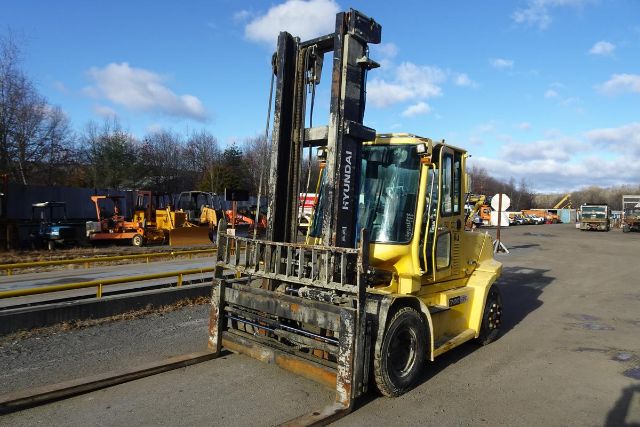
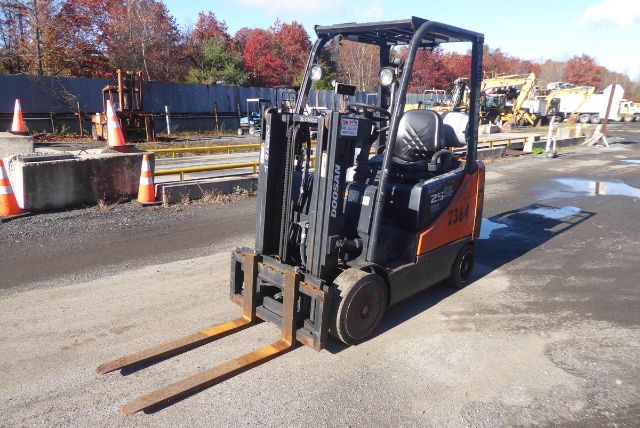
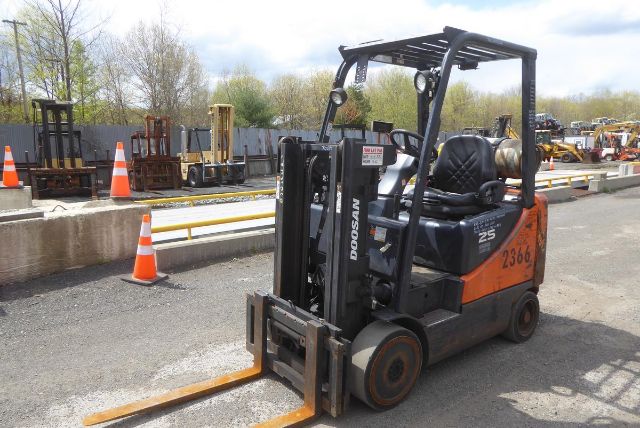
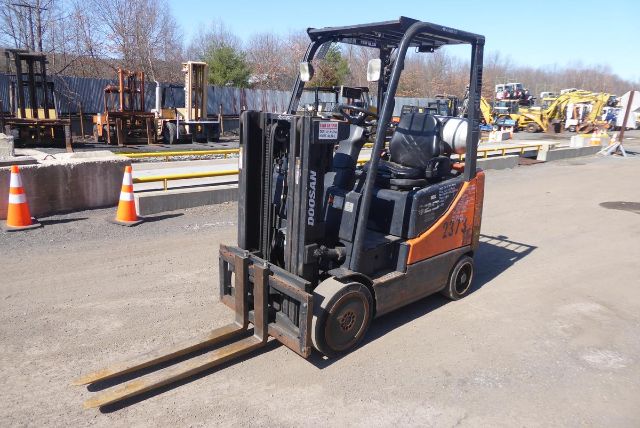
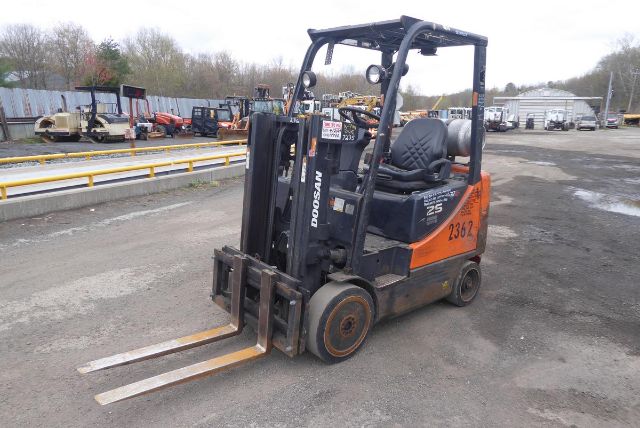
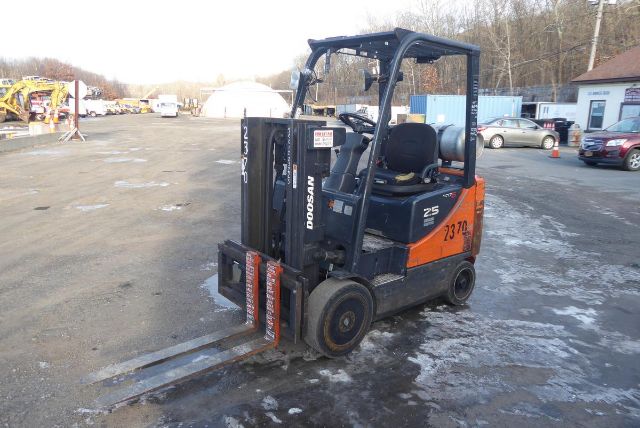
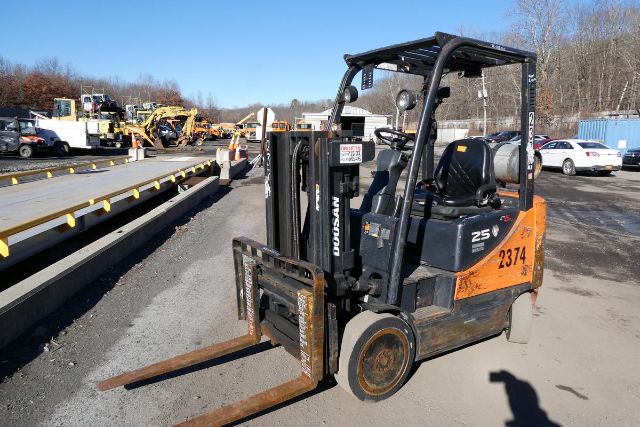
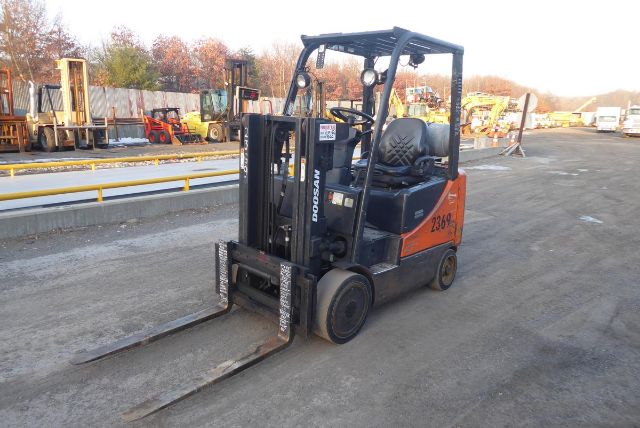
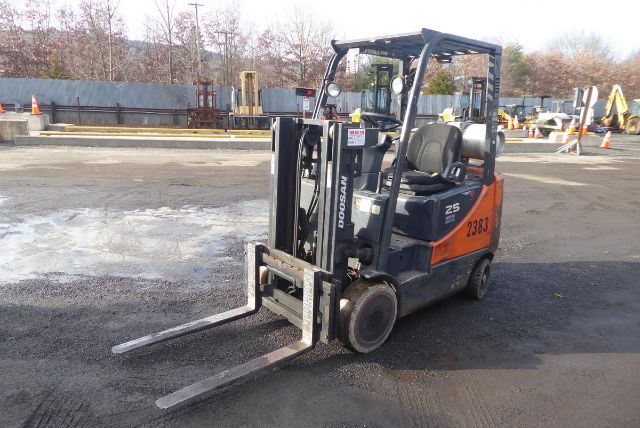
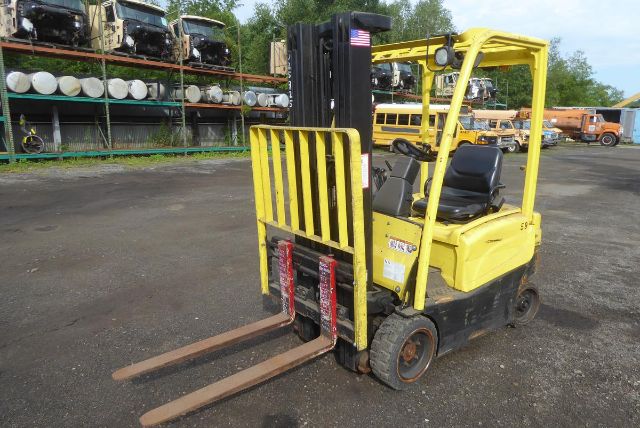
Have 2013 lifts - fork equipment to sell? List it here to reach thousands of buyers.
2013 Lifts - Fork
Capacity alone does not tell the whole story. A fork lift rated at 4,000 lb may deliver that number only at a specific load center and mast configuration, so buyers should compare the data plate, not just the advertised rating. Mast style matters just as much. Two-stage and three-stage masts affect collapsed height, lift height, and visibility, which is critical if the truck must clear low door openings or work inside trailers and rack systems. Common buyer checkpoints include side shift, fork positioners, back tilt and forward tilt range, fork length, carriage class, overall lowered mast height, and whether the machine includes solid cushion tires or solid pneumatic tires. On used units from this period, cylinder condition, chain wear, mast roller play, steer axle looseness, and transmission engagement in forward and reverse are worth close attention.
For many 2013 models, operating hours and maintenance history will matter more than brand reputation alone. A well-kept Toyota, Doosan, Hyster, Yale, CAT, Mitsubishi, Komatsu, or Nissan can outperform a neglected lower-hour machine. Look closely at the engine type, especially on LP units, along with cooling system condition, hydraulic response, brake feel, and warning lights. On electric-over-hydraulic and electronically managed propane systems, sensor and fuel system issues can become intermittent faults, so a warm operating test under load is better than an idle inspection. Tire condition also affects cost immediately, since solid tires and press-on replacements can add meaningful expense after purchase.
Application should drive the final choice. Cushion-tire forklifts are typically better suited to smooth concrete floors and tight warehouse aisles because they turn sharper and stay compact. Pneumatic forklifts are better for broken pavement, gravel, lumber yards, and outdoor loading areas. If the job involves unloading flatbeds, handling palletized freight, or moving pipe, machinery, or bundled materials, fork length, mast visibility, and hydraulic attachments can matter as much as lift rating. A 2013 fork lift can still be a strong value if the mast, hydraulics, transmission, and tires are right for the work cycle and the machine has been maintained with realistic service intervals.
Frequently Asked Questions about 2013 Lifts - Fork
What should I check first on a used 2013 forklift?
Start with the data plate, hour meter, and mast condition. Confirm rated capacity, load center, and lift height, then inspect chains, rollers, hydraulic cylinders, carriage wear, and fork heel wear. After that, check forward and reverse engagement, braking, steering play, tilt function, side shift operation if equipped, and tire condition. A forklift can look serviceable and still need expensive mast, tire, or transmission work.
Is a propane forklift better than diesel for this category?
It depends on the application. Propane forklifts are common in the 3,000 to 5,000 lb range because they are quick to refuel and work well in warehouse and dock environments with some outdoor use. Diesel forklifts are more common in larger pneumatic-tire units and heavy-capacity machines used outdoors on tougher surfaces. The better choice comes down to ventilation, duty cycle, load size, and where the machine will spend most of its time.
How important is mast type on a forklift?
Mast type is one of the most important buying decisions because it affects lift height, lowered height, visibility, and stability. A two-stage mast may be fine for simpler loading work, but a three-stage mast can be a better fit where overhead clearance is tight and higher stacking is required. Buyers should confirm lowered mast height for door clearance and maximum lift height for racks, trailers, or container-related work.
What are common capacity ranges for used fork lifts like these?
Many general-purpose forklifts in this category fall in the 3,000 to 5,000 lb range, which covers standard pallet handling, dock work, and warehouse loading. Larger pneumatic and industrial models can move well beyond that into heavy-equipment, steel, and port applications. The key is matching the actual load center and attachment setup to the work, because added fork length or hydraulic attachments can reduce effective capacity.
Do operating hours matter more than brand on a 2013 forklift?
Hours matter, but maintenance matters more. A higher-hour forklift with documented service, dry cylinders, smooth hydraulic function, and good transmission response can be a safer purchase than a lower-hour unit with poor upkeep. Brand still matters for parts support and technician familiarity, but overall condition, tire replacement needs, mast wear, and how the machine performs under load usually tell the real story.