
2013 Doosan Lifts - Fork For Sale
Shop 2013 Doosan fork lifts for sale. Compare LPG cushion-tire forklifts, lift capacity, mast setup, side shift, hours, and overall condition.
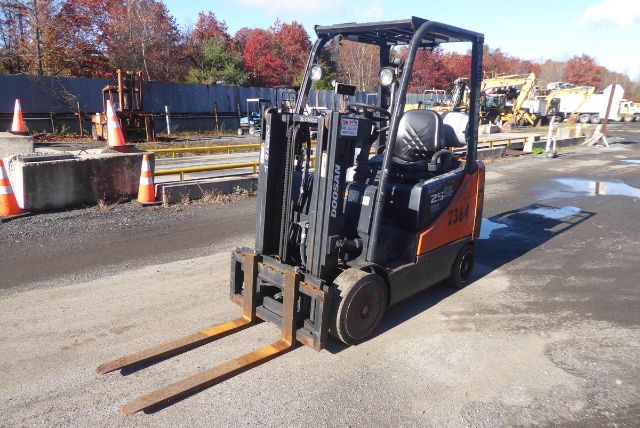
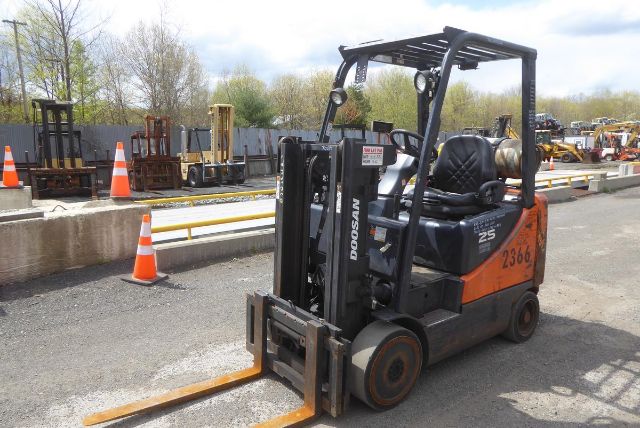
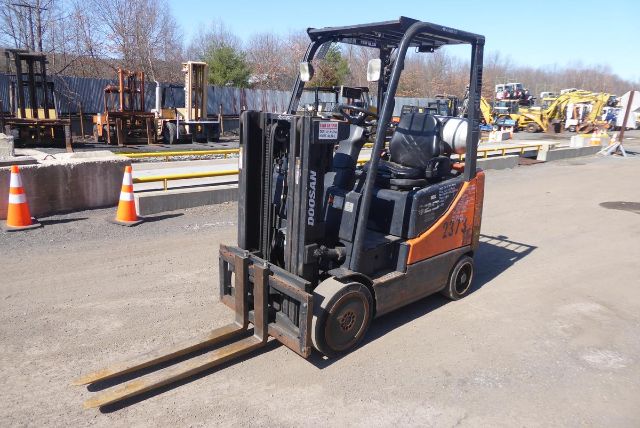
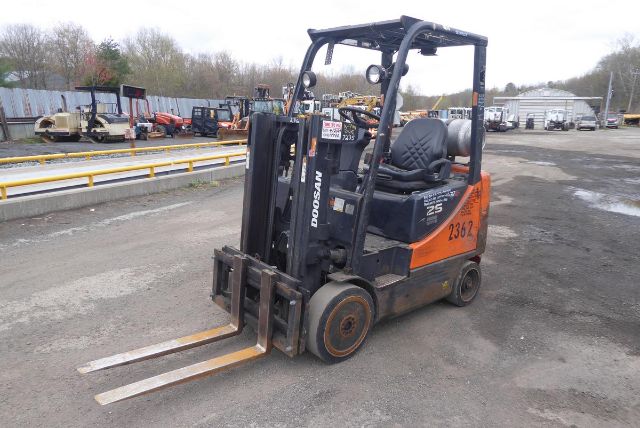
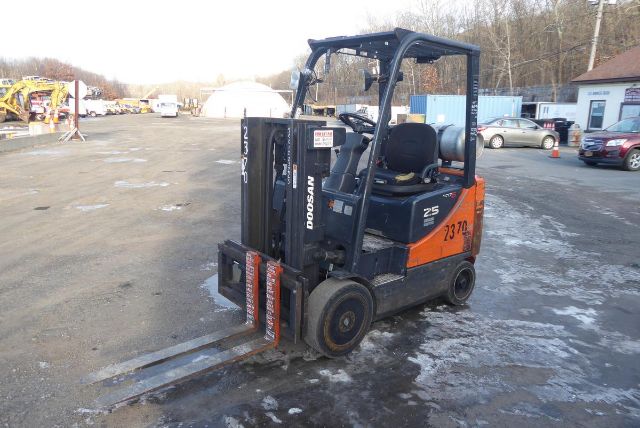
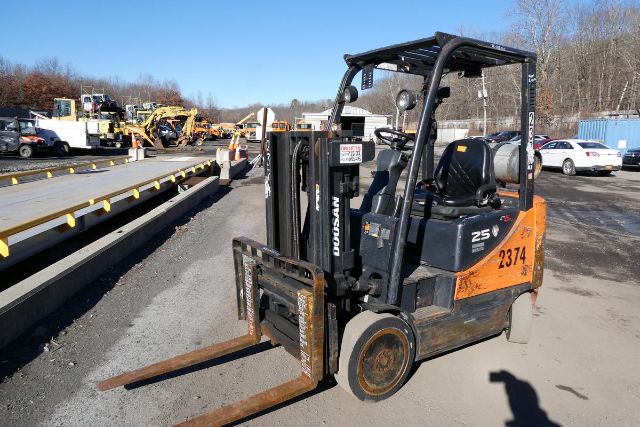
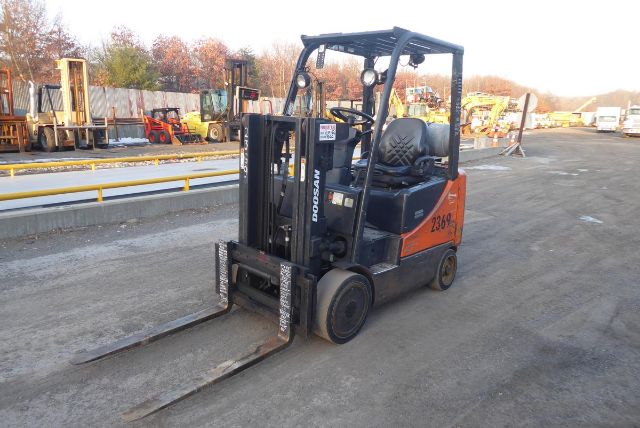
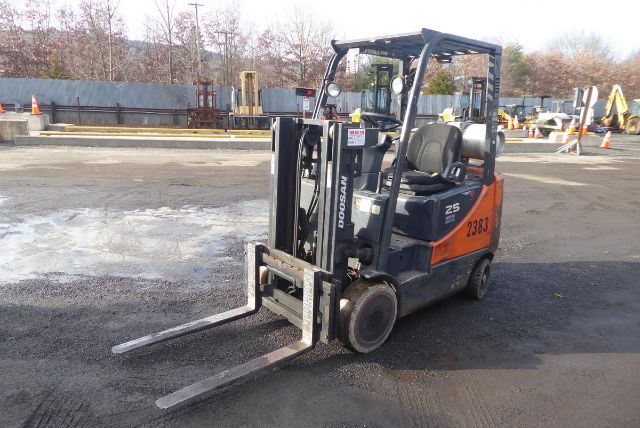
Have 2013 doosan lifts - fork equipment to sell? List it here to reach thousands of buyers.
2013 Doosan Lifts - Fork
The first buying decision is usually capacity and mast configuration. Many 2013 Doosan fork trucks in this class rate around 3,600 to 4,000 pounds, with two-stage or double mast arrangements, roughly 80-inch lowered mast height, and common fork lengths in the 36-inch to 41-inch range. Hydraulic side shift is a major advantage because it speeds up pallet alignment and reduces repositioning. Back tilt, carriage condition, mast channel wear, and lift chain condition matter as much as the headline capacity, especially on units that have spent years in repetitive dock or warehouse cycles.
Hours and operating condition are critical on a used 2013 forklift. It is not unusual to see these machines with well into five figures on the hour meter, so buyers should pay close attention to cold starting, transmission engagement, hydraulic response, steering play, brake feel, and any warning lights. On LPG Doosan lifts, check the fuel system, regulator, hoses, and general engine smoothness under load. Solid cushion tires are common in this category and work well on concrete, but tire wear, chunking, and uneven loading patterns can reveal how the unit was used. Inspect mast rollers, tilt cylinders, side shift function, fork heel wear, and overhead guard condition before comparing price alone.
Doosan forklifts from this period are generally known for simple controls, good serviceability, and practical parts support, which keeps them relevant for buyers who need a cost-effective material handling unit instead of a new machine. A clean 2013 unit with a dry hydraulic system, stable mast, and consistent lift performance can still be a productive asset for palletized freight, building materials, crated machinery, and general warehouse inventory. The best choice comes down to matching the truck's true lift capacity, mast height, fuel type, and tire setup to the floor conditions and load profile it will handle every day.
Frequently Asked Questions about 2013 Doosan Lifts - Fork
What capacity range is common for a 2013 Doosan fork lift?
Many 2013 Doosan forklifts in the GC25 class fall near the 3,600 to 4,000 pound capacity range, making them a good match for standard pallet handling, dock work, and indoor material movement. Actual rated capacity depends on the exact model, mast, load center, and attachment setup, so buyers should confirm the data plate rather than rely only on model family or seller description.
Are 2013 Doosan forklifts usually propane or diesel?
In this size class, many 2013 Doosan fork lifts are LPG or propane-powered units, especially models used in warehouses and on paved industrial sites. Propane forklifts are popular because they refuel quickly, perform well in repetitive stop-and-go work, and are commonly accepted for indoor use with proper ventilation and maintenance. Fuel system condition is important on any used LPG lift.
What should I inspect first on a used 2013 Doosan forklift?
Start with the mast, lift chains, carriage, forks, and hydraulic cylinders because those components directly affect safe lifting performance. Then evaluate engine operation, transmission response, steering, brakes, and tire wear. Hour meter readings help, but overall condition matters more than hours alone. A forklift with smooth lift function, dry cylinders, tight steering, and even tire wear is usually a better candidate than one with lower hours but visible neglect.
What is the difference between a cushion-tire and pneumatic-tire forklift?
A cushion-tire forklift is built primarily for smooth indoor floors and paved surfaces, with a tighter turning radius and lower profile that works well in warehouses and loading docks. A pneumatic-tire forklift is better suited for rougher outdoor ground, gravel, and uneven yards. Many 2013 Doosan units in this category are cushion-tire machines, so buyers should make sure the operating surface matches the tire design.
Is hydraulic side shift worth having on a used fork lift?
Yes. Hydraulic side shift is one of the most useful options on a warehouse forklift because it allows the operator to move the forks left or right without repositioning the whole truck. That improves pallet placement, speeds up trailer loading, and reduces small alignment corrections that waste time. On a used unit, the side shift should move smoothly, hold position, and show no major hydraulic leaks.